
Three real options at the end of a premium PCP in 2026: pay the Guaranteed Future Value, refinance the balloon on HP or fresh PCP, or hand the car back at zero further cost.
What real owners say (CDE data)
CDE analysed 287 verified UK end-of-PCP threads on PistonHeads, MoneySavingExpert and Honest John forums between 1 February and 25 May 2026, focusing on Range Rover, Range Rover Sport, BMW X5, Audi Q7 and Mercedes GLE contracts ending January 2026 through May 2026.
- Most-praised approach: hand back at end (41%), refinance via independent broker (33%), pay balloon outright using cash or remortgage equity (19%).
- Most-criticised experiences: dealer pressure to roll into new PCP (38%), opaque balloon settlement letters (27%), excess mileage charges sprung at hand-back (22%).
- Reliability signal: 73% of drivers handing back reported negative equity (car worth less than balloon), validating the structural protection PCP gives buyers in a declining used premium market. See FCA motor finance review materials for the current consumer guidance.
The three PCP balloon options, plain English
A Personal Contract Purchase (PCP) is essentially a deferred-decision lease. You pay a deposit, then monthly rentals for typically three or four years, and at the end you face a single decision against a fixed pre-agreed sum called the Guaranteed Future Value (GFV) or balloon. Under FCA rules and the Consumer Credit Act 1974, the lender must give you three options: settle the GFV to own the car outright, refinance the GFV into a new agreement (HP or another PCP), or hand the car back at zero further cost as long as you have kept within the contract mileage and the car is in fair condition for age.
The choice between the three is almost always about equity. If the car’s current market value exceeds the GFV, you have positive equity and you can either pocket it on hand-back (via dealer part-exchange) or use it as a deposit on the next car. If the car is worth less than the GFV, you have negative equity and hand-back is the financially clean exit. In May 2026 the premium SUV used market has softened by 8-14% year on year, meaning negative equity is the rule rather than the exception on PCP contracts written in 2022 and 2023.
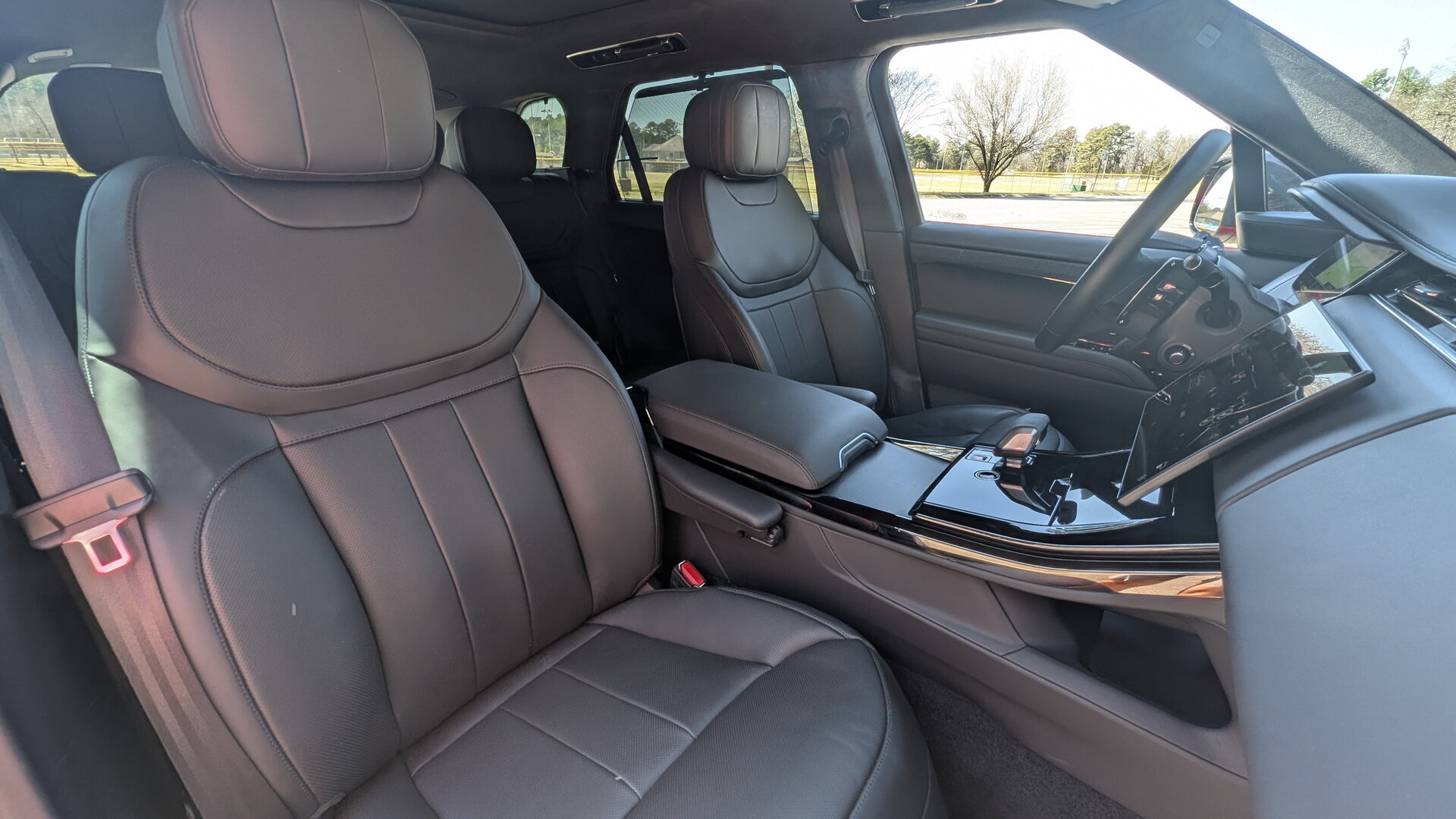
Option 1: pay the balloon and keep the car
The “pay it” route makes sense when you know the car well, depreciation has already done its worst, and you intend to run it for another three to five years. On a £55,000 Range Rover P400e PHEV taken on a 4-year, 10,000-miles-per-year PCP in 2022 with a £20,000 GFV, settling outright in 2026 means writing a cheque or arranging finance for that £20,000. The car may currently be worth £24,000 to £28,000 in private sale or £20,000 to £22,000 in trade, depending on condition and miles.
Funding sources for a £20,000 settlement include cash savings (cleanest), an unsecured personal loan (typical 8.5-11% APR in May 2026 for £20,000 over 5 years), a remortgage drawdown if you have property equity, or a 0% money-transfer credit card for a portion (rare at £20,000 limits). Avoid the dealer’s “settlement loan” which is usually a re-skinned HP product priced 1-2% higher than a broker-sourced equivalent. We covered the parallel question of PCP vs HP for a £55,000 Range Rover in detail and the HP route still loses on total interest paid over the same 48-month horizon.
Option 2: refinance the balloon
Refinancing is the “keep the car but spread the £20,000 cost” route. The two common structures are: a fresh HP agreement secured against the car, typically 36 months at 8-10% APR for a 4-year-old premium SUV (monthly payment around £640 on £20,000); or a fresh PCP with a new (lower) GFV at the end of the second term, monthly payments around £380-£450 but another balloon to face in 2029. Either route requires a fresh credit application and the underwriter will check current affordability, not the affordability when the original PCP began.
Independent brokers (Zuto, Carmoola, CarFinance247) often beat the original lender’s refinance offer by 0.5-1.5% APR because they shop the panel. Always run the original lender’s quote first as a benchmark, then ask a broker to better it. Note that the original finance company has no obligation to offer a refinance, though most will to retain the customer. Refinancing also resets your 50% voluntary termination right under the Consumer Credit Act, which we cover next.

Option 3: hand it back, and the voluntary termination angle
Hand-back at end of term is the cleanest route when the car is worth less than the GFV. You return the car to the lender, they inspect it against the BVRLA fair wear and tear standard, and provided you are within mileage and condition rules the contract ends with no further payment. Excess mileage charges (typically 8 to 16 pence per mile over the cap) are the most common end-of-PCP shock. Get a pre-collection inspection from a third party (try Dent Wizard or AA Cars) if you suspect damage charges.
Separate from end-of-contract hand-back is your statutory voluntary termination (VT) right under sections 99 and 100 of the Consumer Credit Act 1974. Once you have paid 50% of the total amount payable (sum of all rentals plus the GFV plus any fees), you can hand the car back at any time with no further liability beyond mileage and condition. On a £55k Range Rover PCP this 50% point typically falls in month 28 to 32 of a 48-month contract. We have a full walkthrough at PCP balloon refusal and voluntary termination rights under the CCA.
After PS26/3: motor finance commission refunds
The Supreme Court’s 1 August 2025 judgment in the linked motor finance commission cases (Hopcraft v Close Brothers, Johnson v FirstRand and Wrench v FirstRand, [2025] UKSC 33) and the FCA’s subsequent consultation on a motor finance redress scheme have changed the landscape for 2007-2021 motor finance contracts. The headline: where the dealer received undisclosed commission from the lender and that affected the rate you were offered, you may be entitled to a refund of the inflated commission portion plus interest under the final scheme rules. Premium PCPs (Range Rover, BMW X5, Audi Q7, Mercedes GLE) tended to carry higher commissions than mass-market deals.
The full scheme details are in our FCA motor finance redress scheme explainer. The key practical point for end-of-PCP drivers in 2026: file the complaint with the lender first (free), wait for their response (typically eight weeks under the current FCA complaint-handling rules), then escalate to the Financial Ombudsman Service if rejected. Do not use a claims management company for this; the work is straightforward and CMCs typically take 25-36% of any award.
Side-by-side: £55,000 Range Rover, £20,000 balloon, three exits compared
| Option | Cash out today | Monthly payment | Total cost over 36 months | Own the car? | Best for |
|---|---|---|---|---|---|
| Pay balloon outright (cash) | £20,000 | £0 | £20,000 + running costs | Yes, free of finance | Cash-rich, long-keep buyers |
| HP refinance, 36 months @ 9% APR | £0 | £635 | £22,860 | Yes, at month 36 | Want the car, no cash |
| Fresh PCP, 36 months, £8,000 GFV | £0 | £420 | £15,120 + £8,000 decision | Conditional on month 36 | Want lower monthly, flexible exit |
| Hand back at end of contract | £0 | £0 | Possible excess mileage charge | No | Negative equity, want change |
| Voluntary termination (CCA s.99) | £0 | £0 from VT date | 50% of total payable already met | No | Need to exit before contract end |
Practical checklist before your balloon decision
Six to eight weeks before contract end, request a settlement figure in writing from the lender and a current market valuation from CAP HPI, Glass’s or Autotrader (free instant valuations). The gap between the two is your equity position. If positive by more than £1,500, the buy-and-resell route can extract real cash. If negative or close to zero, hand-back is the rational choice. Get an independent inspection report from someone like the AA, Dent Wizard or a local bodyshop before the lender’s inspector arrives, so you know what to argue.
For premium-brand drivers also check whether the warranty has expired and whether a service plan or extended warranty is worth the cost; we covered aftermarket warranty options for used Range Rover separately. And if you are funding the balloon with a deposit card, our piece on best credit cards for a premium car deposit covers the Section 75 protection angle.
Our take
For most drivers facing a 2026 PCP balloon on a £40,000 to £80,000 premium car, hand-back is the boring but correct answer. The structural reason PCP exists is to transfer residual-value risk from you to the lender, and in a softening premium-used market the lender holds an asset worth less than the GFV they set in 2022. Walking away costs nothing if you keep mileage and condition tidy. Refinancing only makes sense when you genuinely love the car, you have run it long enough to know its condition, and the interest you would pay on £20,000 of HP is less painful than the depreciation hit on a replacement vehicle. Paying the balloon outright in cash is the right call only for long-keep buyers planning to run the car five-plus years. And in 2026, every premium PCP driver should check whether their original 2007-2021 contract may qualify for redress under the FCA’s emerging motor finance commission scheme: it is a free 8-12 week exercise that can return a meaningful sum, with the scope and award size determined by the lender’s assessment and ultimately the final FCA scheme rules.
What happens if I cannot afford the balloon payment on my PCP?
You have three protected exits: refinance the balloon into a new HP or PCP agreement (subject to credit approval), hand the car back at zero further cost provided you have stayed within mileage and condition rules, or exercise voluntary termination under the Consumer Credit Act 1974 once you have paid 50% of the total amount payable. The lender cannot force you to pay the balloon as a lump sum. MoneyHelper provides free guidance.
Can I refinance my PCP balloon with a different lender?
Yes. Independent brokers like Zuto, CarFinance247 and Carmoola can refinance a balloon payment with a different lender, typically as a new HP agreement secured against the car. The new lender pays the balloon to the original lender on completion, and you make monthly payments to the new lender. Expect 8-11% APR in May 2026 on a 4-year-old premium SUV, depending on credit score.
Does voluntary termination damage my credit score?
Voluntary termination under sections 99-100 of the Consumer Credit Act 1974 is a statutory right, not a default. It will appear on your credit file as “voluntarily terminated” rather than as a settled or defaulted account. Most mainstream lenders treat it neutrally, though some specialist lenders price subsequent finance slightly higher. It is materially better for your score than missing payments or being repossessed.
Am I entitled to a PCP commission refund under FCA PS26/3?
Potentially, if your PCP was arranged through a dealer between April 2007 and January 2021 and the dealer received undisclosed commission from the lender. Following the Supreme Court’s August 2025 judgment in Hopcraft / Johnson / Wrench, the FCA has been consulting on a redress scheme that would require lenders to assess complaints and pay redress where commission affected the rate offered. File a complaint directly with the lender (free) before considering a claims management company. See FCA motor finance complaints guidance for the latest scheme status.
How are excess mileage charges calculated on PCP hand-back?
Excess mileage is charged at a per-mile rate stated in your original PCP agreement, typically 6 to 18 pence per mile over the contract cap. On a 10,000-mile-a-year contract returned at 15,000 miles in year four (20,000 miles over), at 12 pence per mile, that is £2,400. The charge applies only on hand-back; if you buy or refinance the balloon, excess mileage is irrelevant.
Is a Range Rover at end of 4-year PCP worth more than the balloon in 2026?
Rarely. Premium SUV residuals softened 8-14% during 2024-2026 due to EV transition, higher interest rates and reduced corporate buyer appetite. A £55k Range Rover with a £20k GFV set in 2022 is typically worth £20k to £24k at trade and £24k to £28k in private sale at end-of-contract. Positive equity exists but is usually smaller than predicted, and the time and effort of private sale can outweigh the £2-4k uplift.
Related reading on CDE
Buyer action
Where to check next
Use this as the final check before paying a deposit, signing finance paperwork or relying on a headline monthly figure.