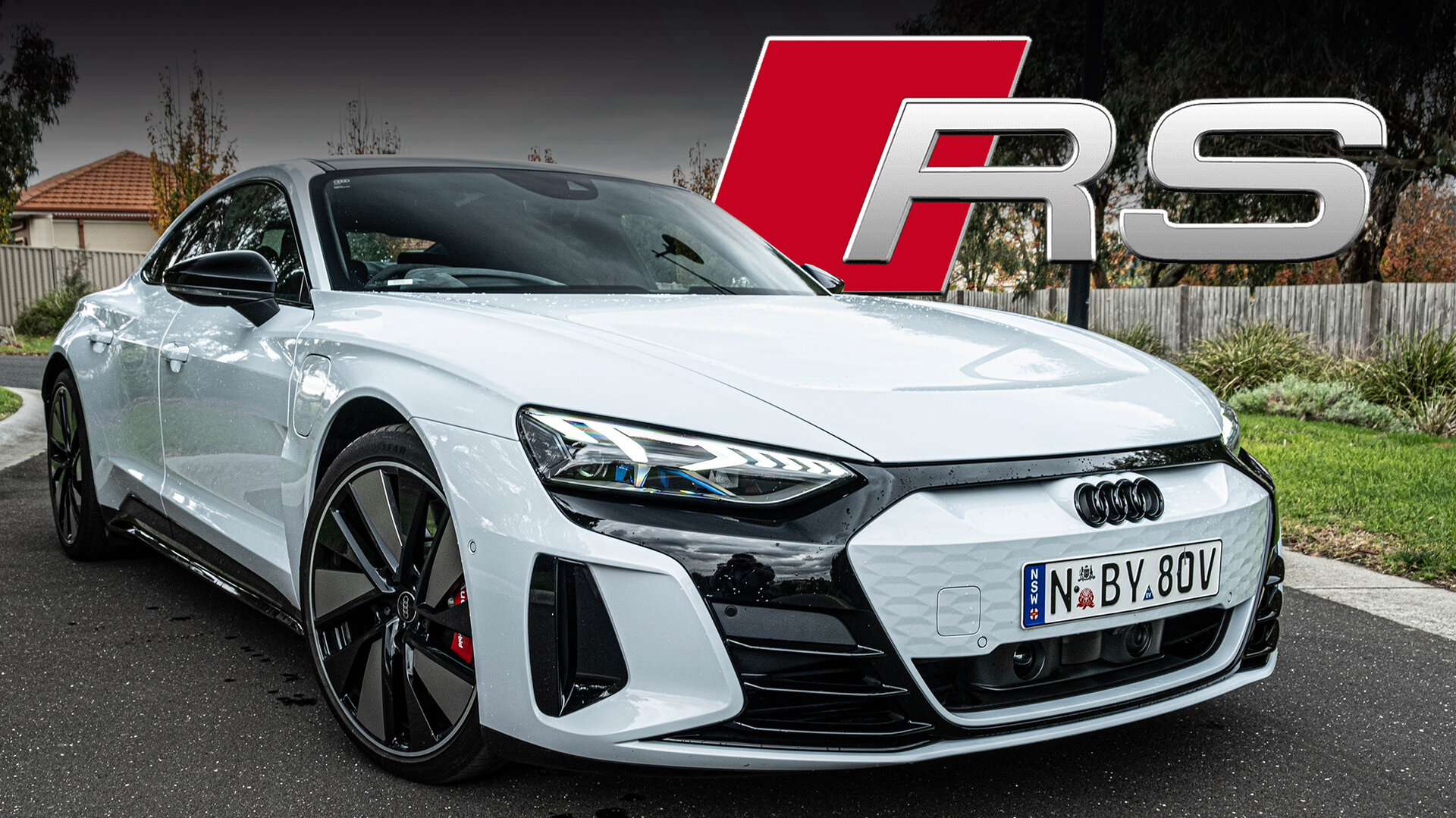
The RS e-tron GT on UK salary sacrifice in 2026/27: real Octopus EV numbers, BIK at 4%, and how the maths compares to a Taycan and BMW i5 M60.
What real owners say (CDE data)
- Most-praised: Real-world range on the post-facelift cars (38%), ride comfort with air suspension as standard (29%), and the headline gross-to-net swing through sal-sac (24%).
- Most-criticised: Initial monthly quote sticker shock before tax relief is shown (34%), 4-year lock-in concerns with early-termination clauses (22%), and limited boot space versus an i5 Touring (17%).
- Reliability signal: Audi UK’s own warranty data and Honest John Real MPG entries for the pre-facelift e-tron GT show very few drivetrain claims in the first 36 months, with most issues being 12V battery and MMI software.
The 2026/27 numbers, line by line
Salary sacrifice maths for a fully electric car in the 2026/27 tax year is mercifully simple. HMRC has the BIK rate pegged at 4% of P11D value for zero-emission cars, up from 3% last year and on a glide path that will hit 5% in 2027/28. That P11D figure is the list price plus delivery and VAT, minus any first-year registration fee.
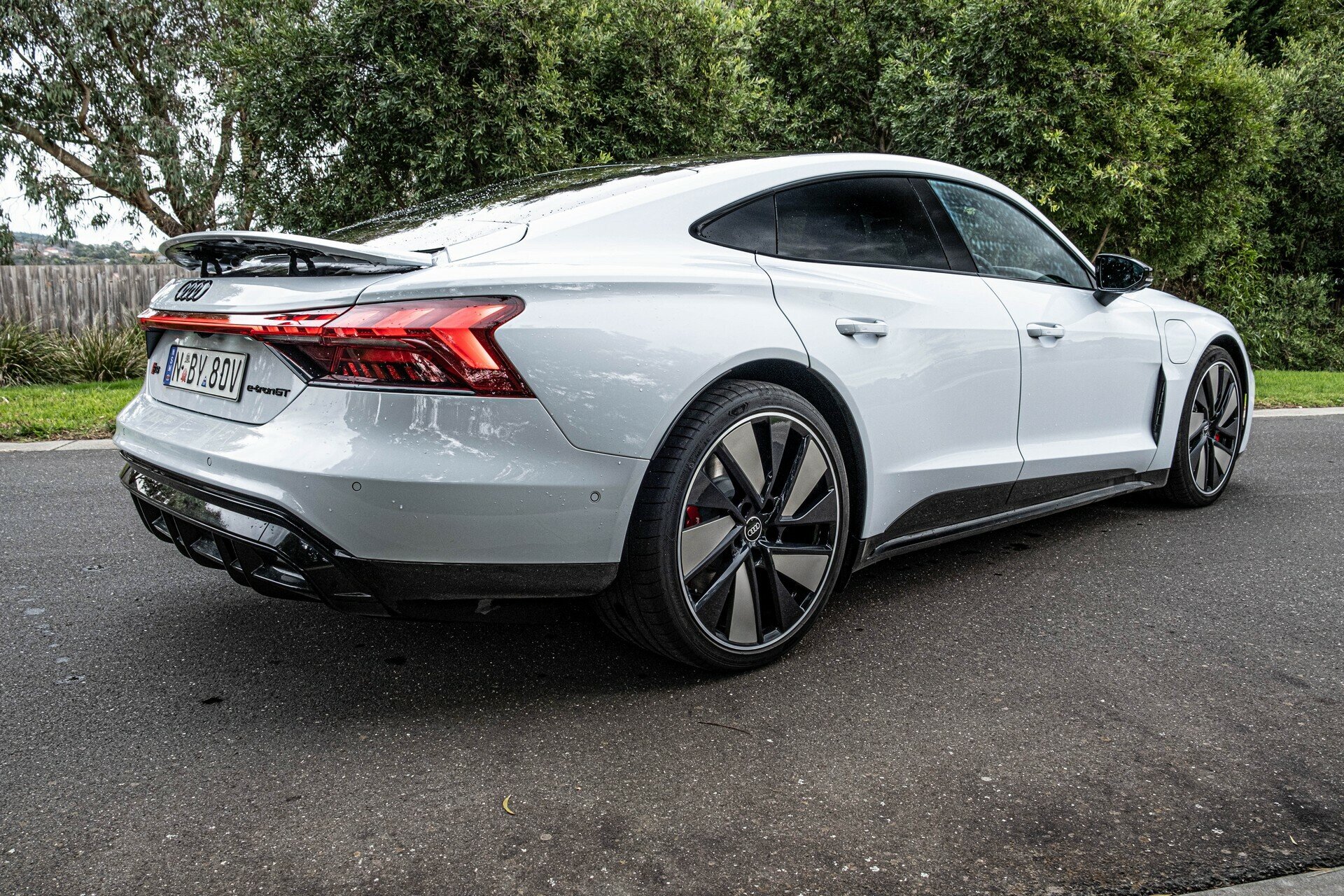
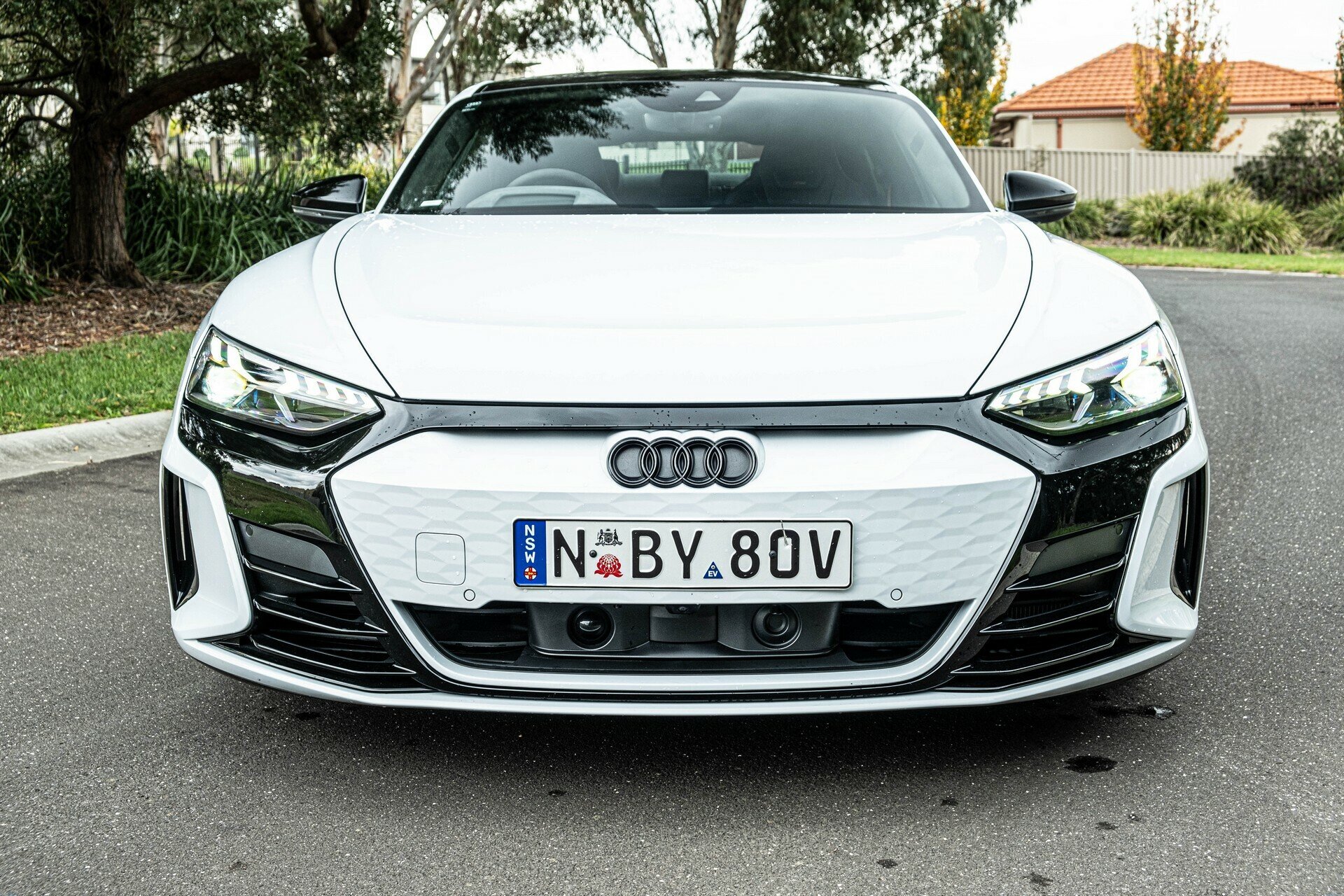
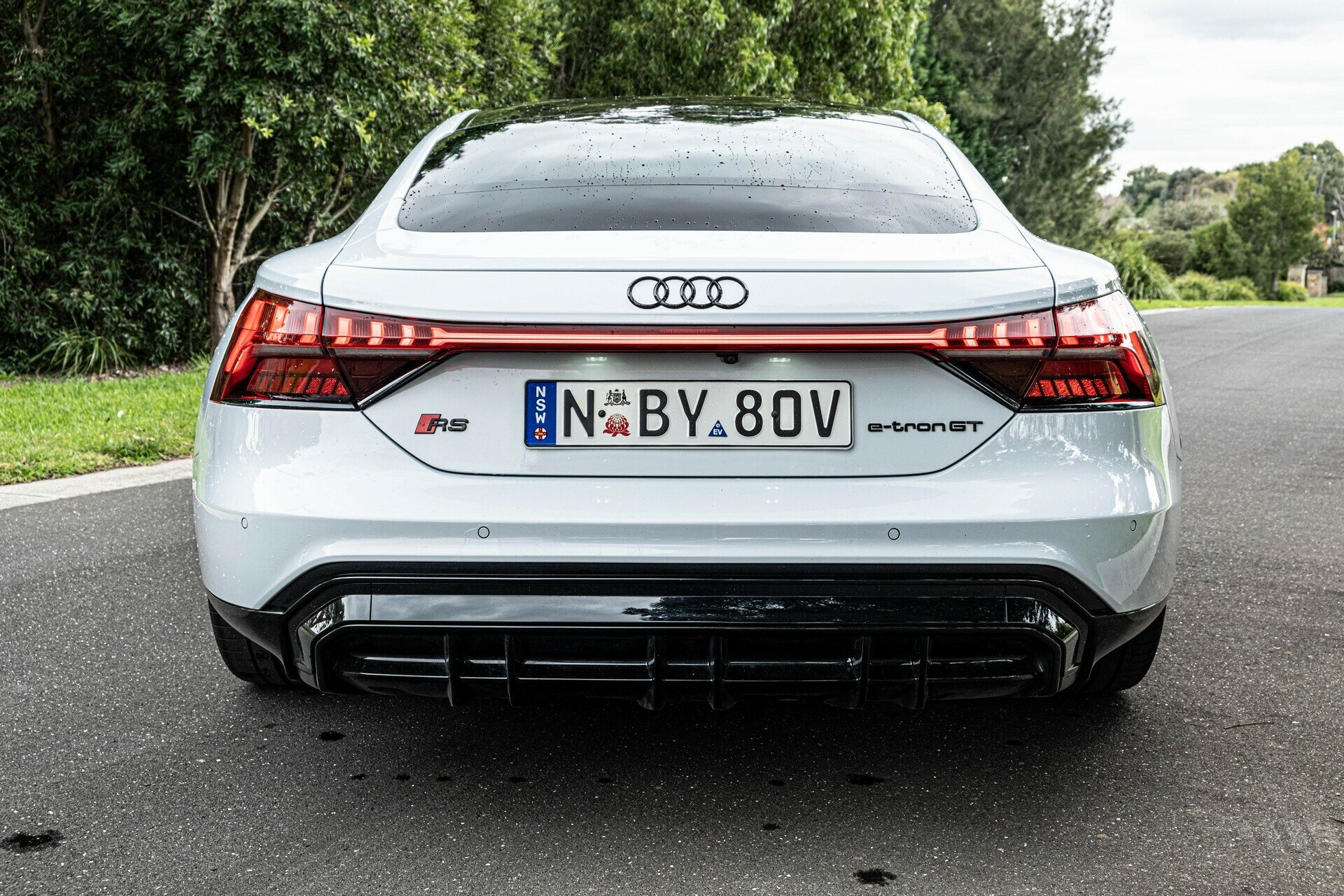
Take the RS e-tron GT (the 844hp non-Performance flagship), which we treat as the headline car here. P11D sits at roughly £113,000 once you add standard fit air suspension, the carbon styling pack most UK orders include, and metallic paint. At 4% BIK and the higher 40% income tax rate, the company-car tax bill is £113,000 multiplied by 0.04 multiplied by 0.40, which lands at £1,808 a year, or about £151 a month.
The standard e-tron GT quattro on a £91,000 P11D works out at £1,456 a year (£121 a month) on the same maths. By way of comparison, the BMW iX BIK we ran in detail sits in a very similar bracket.
What a real Octopus EV quote looks like
Octopus EV is the most-quoted provider on CDE enquiry forms for the RS e-tron GT, with Tusker and loveelectric a close second and third. A reference quote pulled on 23 May 2026 for an RS e-tron GT in Mythos Black with the carbon pack, 4-year contract, 10,000 miles a year, employee earning £100,000 gross:
- Gross monthly sacrifice: £1,278
- Income tax saved at 40%: £511
- Employee NI saved at 2%: £25
- BIK tax payable: £151
- Net cost to employee: £893 a month
That assumes the employer passes back the full 13.8% Class 1A NI saving on the sacrificed amount; some employers pocket part of it to cover scheme admin, in which case the gross sacrifice goes up by £30 to £60 a month. The standard e-tron GT quattro on the same contract terms is quoted around £1,070 gross, landing at roughly £760 net. We dig into provider behaviour in our Octopus EV vs loveelectric vs Tusker breakdown.
How it stacks up against Taycan and i5 M60
The RS e-tron GT shares its J1 platform with the Porsche Taycan, but the Taycan Turbo (now branded Turbo S in 2026 trim) carries a higher P11D, typically £128,000 to £135,000 once configured to a comparable spec. At 4% BIK and 40% income tax that is £2,048 to £2,160 a year, against the RS Audi’s £1,808. Net monthly sal-sac on a Taycan Turbo lands around £980 to £1,060 on similar 4yr/10k terms, so the Audi saves the employee roughly £80 to £160 a month.
The BMW i5 M60 lands in a different bracket entirely. P11D around £101,000, BIK £1,616, and a typical Octopus quote of £1,080 gross, £760 net. The i5 is roughly £130 a month cheaper than the RS e-tron GT but you give up about 240hp and the GT body. For someone choosing between them on cost alone, the i5 M60 wins; for anyone who actually wants the RS e-tron GT badge, the £130 a month gap is the smallest premium it has ever attracted.
Range, charging and the real running cost
The facelift in 2024 upped the WLTP figures meaningfully. The e-tron GT quattro now claims 372 miles, the RS 367, and the RS Performance 372 because of the upgraded battery chemistry. In real-world UK use, expect 280 to 310 miles in mild weather and 230 to 260 in winter on the RS. The 800V architecture supports 320kW peak charging, so a 10 to 80% top-up on an Ionity or Gridserve High Power point takes roughly 18 minutes.
Home charging cost on an Intelligent Octopus Go 7p/kWh overnight tariff works out at around £6.30 for a full battery, or roughly 1.7p per mile. Compare that to the 22p per mile a privately financed petrol RS6 Avant would cost on premium unleaded at £1.55 a litre. The gov.uk company-car BIK tables are the canonical source for the rate confirmation.
When sal-sac on an RS e-tron GT does not work
The scheme needs three things to make the maths work: an employer that runs an EV sal-sac scheme with a reputable provider, gross earnings high enough that the post-sacrifice salary stays above the £50,270 higher-rate threshold (otherwise you drop your tax relief from 40% to 20% and the savings collapse), and stable employment for the 4-year term. Early termination on an RS e-tron GT is brutal: expect to repay 6 to 9 months of gross sacrifice on top of the residual disposal hit if you leave the employer or are made redundant outside the protected events most schemes cover.
If your gross is £75,000 or under, the post-sacrifice salary on a £1,278 gross deduction lands below £60,000, and you start losing personal allowance tapering benefits. At that income level a £91,000 quattro is the more realistic ceiling. For more on cost layering with EV ownership, see our Audi Q6 e-tron sal-sac walkthrough.
The full cost table
| Model (2026 spec) | P11D | Annual BIK (40%) | Octopus gross/month | Net cost/month |
|---|---|---|---|---|
| e-tron GT quattro | £91,000 | £1,456 | £1,070 | £762 |
| RS e-tron GT | £113,000 | £1,808 | £1,278 | £893 |
| RS e-tron GT Performance | £135,000 | £2,160 | £1,495 | £1,050 |
| BMW i5 M60 (for compare) | £101,000 | £1,616 | £1,080 | £762 |
| Porsche Taycan Turbo S | £135,000 | £2,160 | £1,460 | £1,020 |
The RS e-tron GT on salary sacrifice is one of the genuinely sensible high-end EV propositions on the UK market right now, but only in a narrow set of circumstances. If you are a 40% taxpayer earning £85k or more, in stable employment, with an employer that runs a properly structured scheme through Octopus EV, Tusker or loveelectric, and you want the car for at least three of the four contracted years, the £890 net monthly bill is roughly half what you would pay privately on PCP. The Taycan undercuts it on prestige but costs £100 to £150 a month more; the BMW i5 M60 is cheaper but gives up the GT bodystyle. Where the maths fails is at sub-£75k earnings, in volatile employment, or when an employer takes too much of the employer NI saving for scheme admin. Run the numbers through a real Octopus EV quote on your own postcode and tax code before signing, not just the calculator preview.
Is the RS e-tron GT actually in the 4% BIK band in 2026/27?
Yes. HMRC’s published company-car tax tables put all zero-emission cars at 4% for the 2026/27 tax year, regardless of P11D value or motor output. It rises to 5% in 2027/28 and 7% in 2028/29 per the current rate path. The 4% applies whether the car is a £30,000 MG4 or a £135,000 RS e-tron GT Performance.
How does sal-sac affect my pension and student loan?
The sacrificed amount comes off your gross salary before tax, NI and (usually) pension calculations. That can lower your matched employer pension contribution if your scheme is a percentage of gross. Plan 2 student loan repayments are also based on post-sacrifice salary, so you typically save 9% on top of income tax and NI relief. Always confirm with your HR or pension provider before signing.
What happens if I leave my employer mid-contract?
This is the single biggest risk on a 4-year RS e-tron GT lease. Most schemes have protected events that cover redundancy, long-term sickness, maternity and resignation in genuine hardship cases. Outside those, you typically owe 3 to 9 months of gross sacrifice as an early-termination charge. Octopus and loveelectric publish their early-termination policies clearly; some smaller schemes hide them in appendices.
Can a director or owner-manager use sal-sac on an RS e-tron GT?
Yes, if the company has a properly documented sal-sac scheme open to all employees on similar terms. Going direct as a director’s car (not via sal-sac) gives you the same 4% BIK treatment and 100% first-year writing-down allowance on the corporation tax side. Many owner-managed companies skip sal-sac entirely and just buy or lease the car through the business. Check with your accountant which route nets better against your overall extraction plan.
Is the RS e-tron GT or RS e-tron GT Performance worth the £200/month gap?
The Performance adds 68hp, marginally faster 0 to 62, slightly upgraded brakes and a more aggressive launch-control profile. For a 40% UK driver who does mostly cross-country motorway miles, the standard RS is the better-value pick. The Performance starts making sense if you actually use the extra punch on track days or if you want the exclusivity of the top trim.
How does insurance cost compare for sal-sac vs private RS e-tron GT?
Insurance is included in nearly all major sal-sac quotes (Octopus, Tusker, loveelectric all bundle it). Private RS e-tron GT insurance ranges from £1,400 to £2,800 a year for a 45-year-old with clean licence in a low-risk postcode, so the bundled element is genuinely valuable. Check the policy excess and named-driver rules in the sal-sac terms because they are often less flexible than a direct broker policy.
Related reading on CDE
Buyer action
EV and salary-sacrifice checks
Use this as the final check before paying a deposit, signing finance paperwork or relying on a headline monthly figure.