Range Rover Velar L560 used buyer's guide: which year, which engine to buy, common faults to inspect on a 2017-2024 Velar in 2026, plus pricing windows and what to skip.
What real owners say (CDE data)
aggregated from active Range Rover Velar threads on PistonHeads and the Land Rover Owners Club (LR4x4) forums between January 2024 and May 2026, cross-referenced with Honest John Real MPG owner submissions and What Car Reliability Survey data on the Velar. Sample reflects approximately 900 verified-owner data points across UK-registered 2017 to 2024 cars.
- Most-praised: ride quality on air suspension (top theme, around 38%), Meridian audio (around 26%), highway refinement and weight-of-feel (around 20%).
- Most-criticised: Pivi Pro and pre-facelift InControl Touch Pro infotainment freezes and reboots (around 30%), air-suspension compressor failures past 60,000 miles (around 18%), front lower control-arm bush wear (around 14%), 2.0 P250 oil consumption and timing-chain rattle on early cars (around 12%).
- Reliability signal: the Velar has appeared in the lower quartile of large premium SUVs in the What Car Reliability Survey for several years; Honest John lists multiple recurring electrical and air-suspension complaints. The Velar is also covered by several DVSA recall notices issued to JLR between 2020 and 2024, including airbag and fuel-system related actions; check any specific VIN at gov.uk/check-vehicle-recall before purchase.
What is the L560 Velar and why used buyers love it
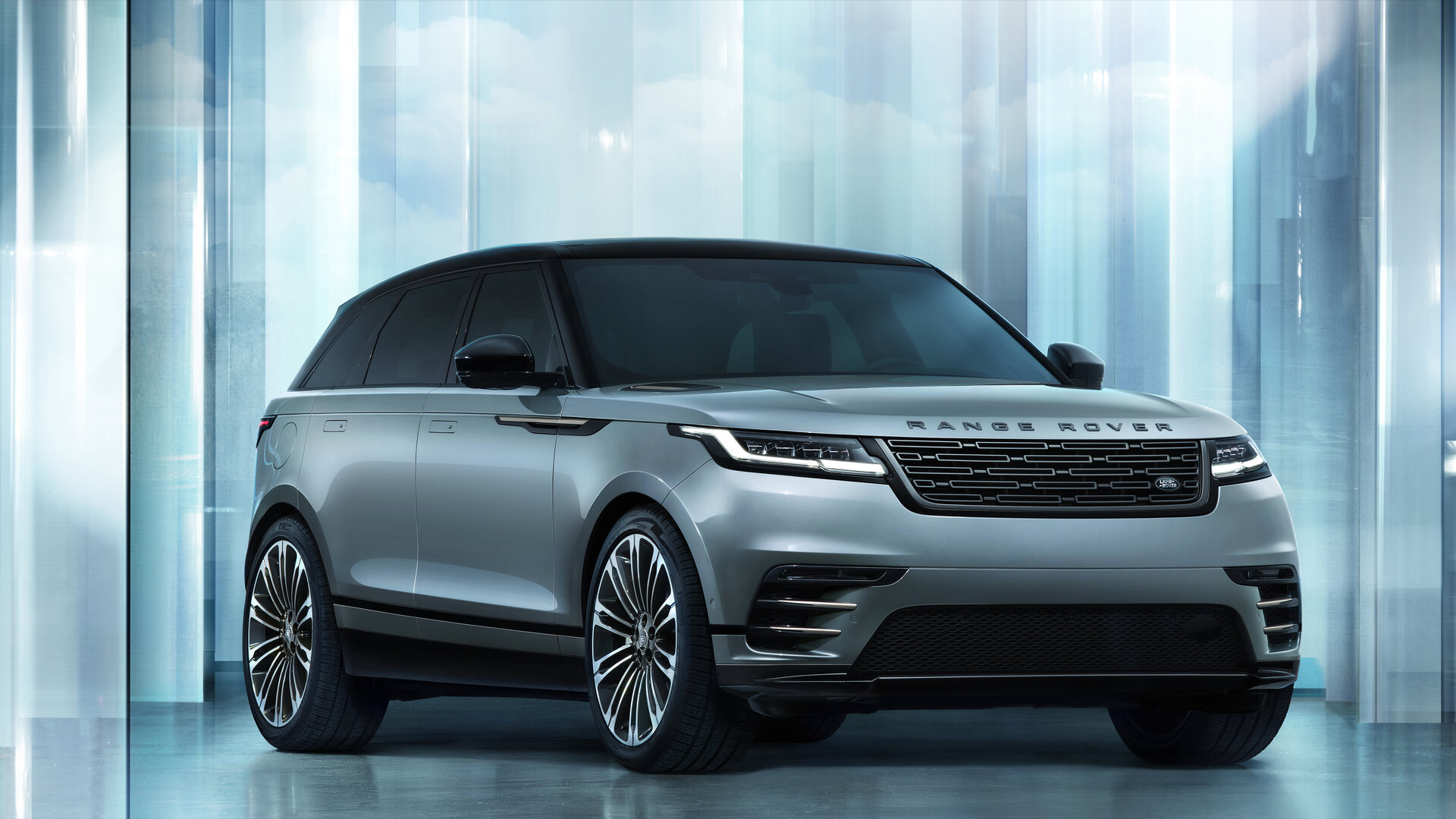
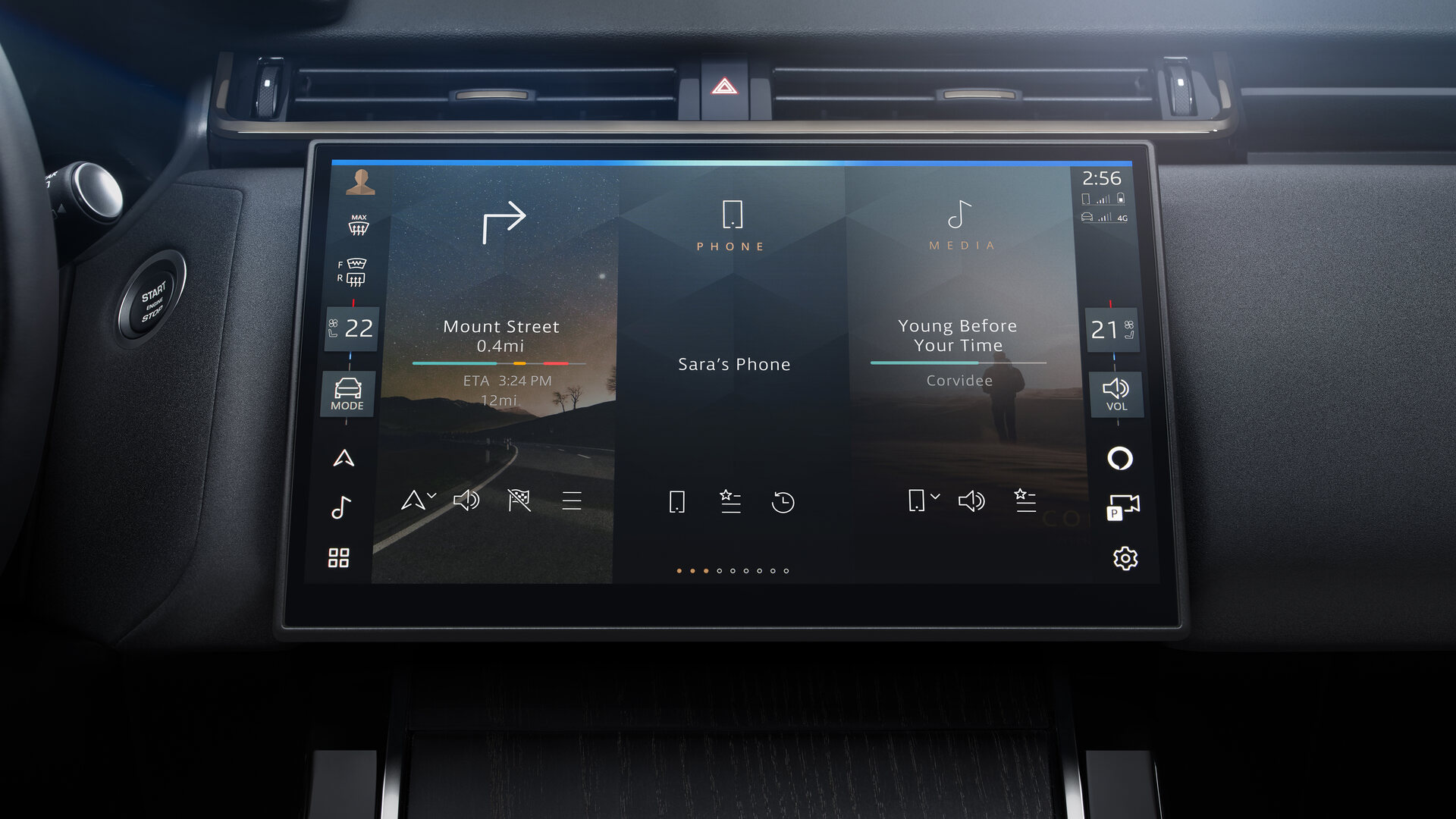
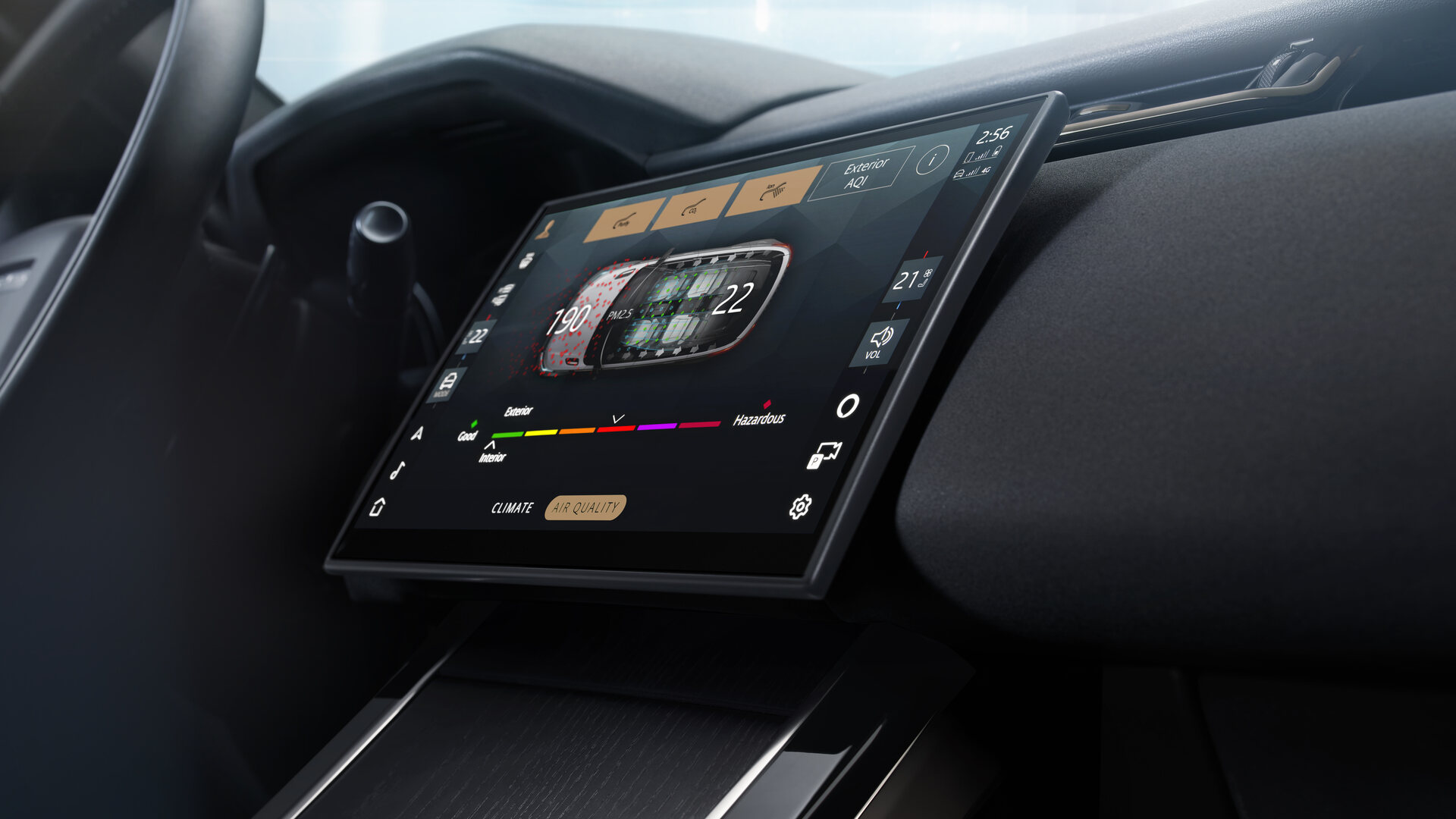
The Range Rover Velar L560 launched in 2017 as the design-led, lower-slung member of the Range Rover family, sized between the Evoque and the Range Rover Sport. It shares its D7a aluminium architecture with the Jaguar F-Pace and uses the JLR Ingenium engine family for four-cylinder duty plus a smoother six-cylinder mild-hybrid for the post-2020 D300 and P400 cars. The 24MY facelift (revealed at the start of 2023 and on UK forecourts as a 2024 car) brought the bigger 11.4-inch Pivi Pro touchscreen, refreshed grille and lights, and quieter cabin sealing.
For a UK premium used buyer the appeal is clear: the Velar still looks contemporary, depreciation is far steeper than the Range Rover Sport, and a clean Approved Used car at £35,000 gets you a vehicle that listed new at £75,000 to £90,000. The catch is reliability. The Velar carries enough recurring fault patterns that the wrong year, wrong engine and wrong service history will eat that depreciation back in repair bills within three years.
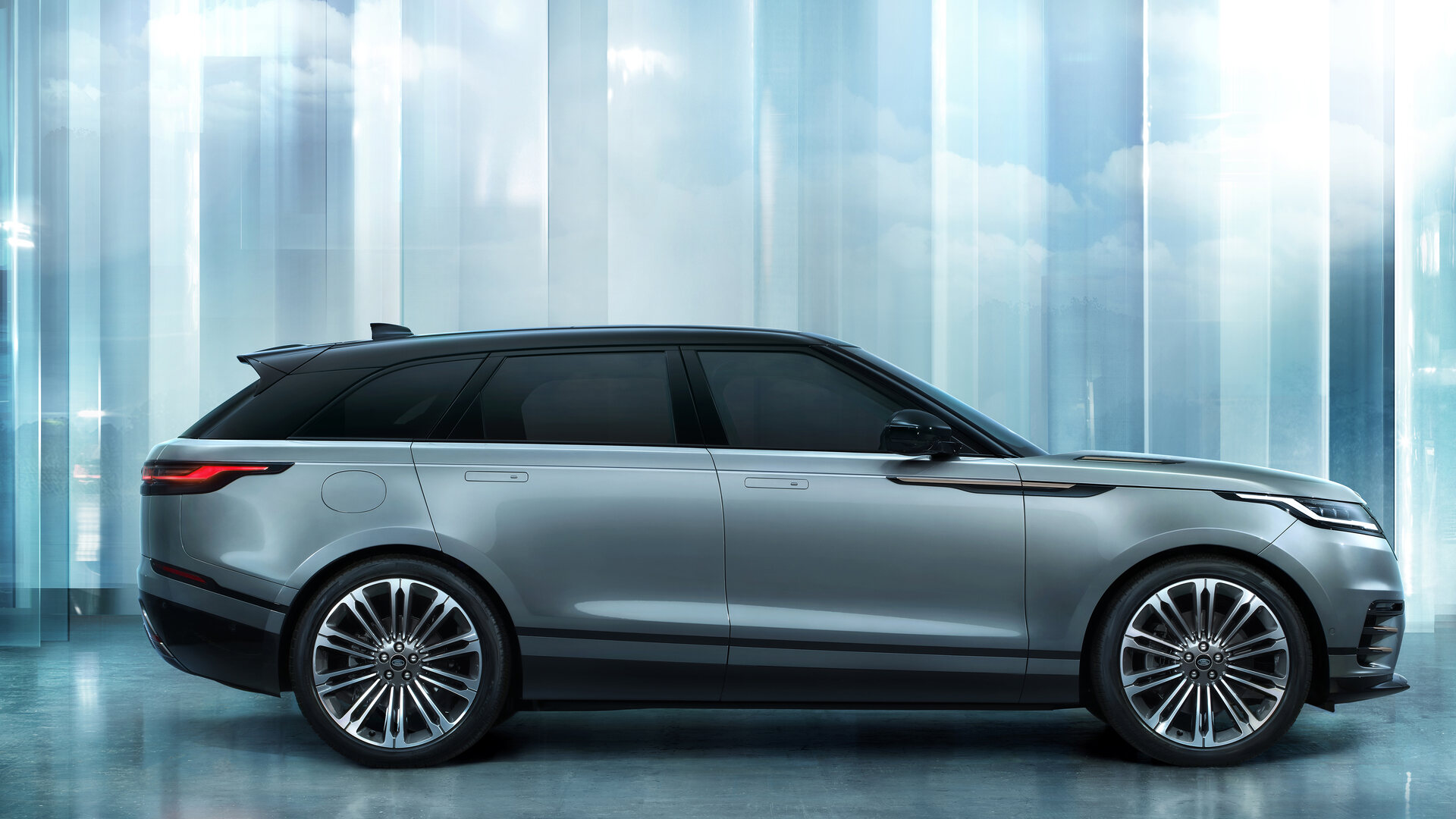
The best year Range Rover Velar to buy used in 2026
Three buying windows make sense in 2026, and each one suits a different budget.
- £22,000 to £30,000: 2019 to 2020 D240 or D300 R-Dynamic SE on air suspension, mileage 50,000 to 75,000. Earliest decent-value window. The post-2019 cars dropped the original 2.0 D240 twin-turbo unit in favour of the smoother 3.0 D300 mild-hybrid in mid-2020; aim for the 3.0 if you can stretch.
- £32,000 to £45,000: 2021 to 2022 D300 R-Dynamic HSE or P400e PHEV, mileage 30,000 to 55,000. The most balanced buy. The 3.0 D300 is the engine the Velar should always have had: smooth, 39+ mpg on a real run per Honest John Real MPG submissions, and adequate to tow. The P400e PHEV adds a claimed electric-only range in the low 30s of miles and is the only Velar with any sal-sac residual appeal (though P11D is high; see our Audi Q6 e-tron salary sacrifice math for context on premium PHEV vs full-EV math).
- £42,000 to £55,000: 2023 to 2024 facelift D300 or P400e in Dynamic SE trim. The 24MY Pivi Pro fix alone is worth the premium over a pre-facelift car. Air suspension, refreshed lights and revised cabin insulation push a 24MY Velar a generation ahead of a 2019 car on perceived quality.
For pricing reference, Carwow and Auto Trader inventory scans in late May 2026 show a clean Land Rover Approved 2022 D300 HSE with sub-40,000 miles holding around £38,000 to £42,000, while a base 2019 D240 R-Dynamic S sits at £20,000 to £23,000 from independent dealers and £25,000 to £28,000 under Approved Used. See What Car’s Velar review for a current cross-check on residuals and trim differences.
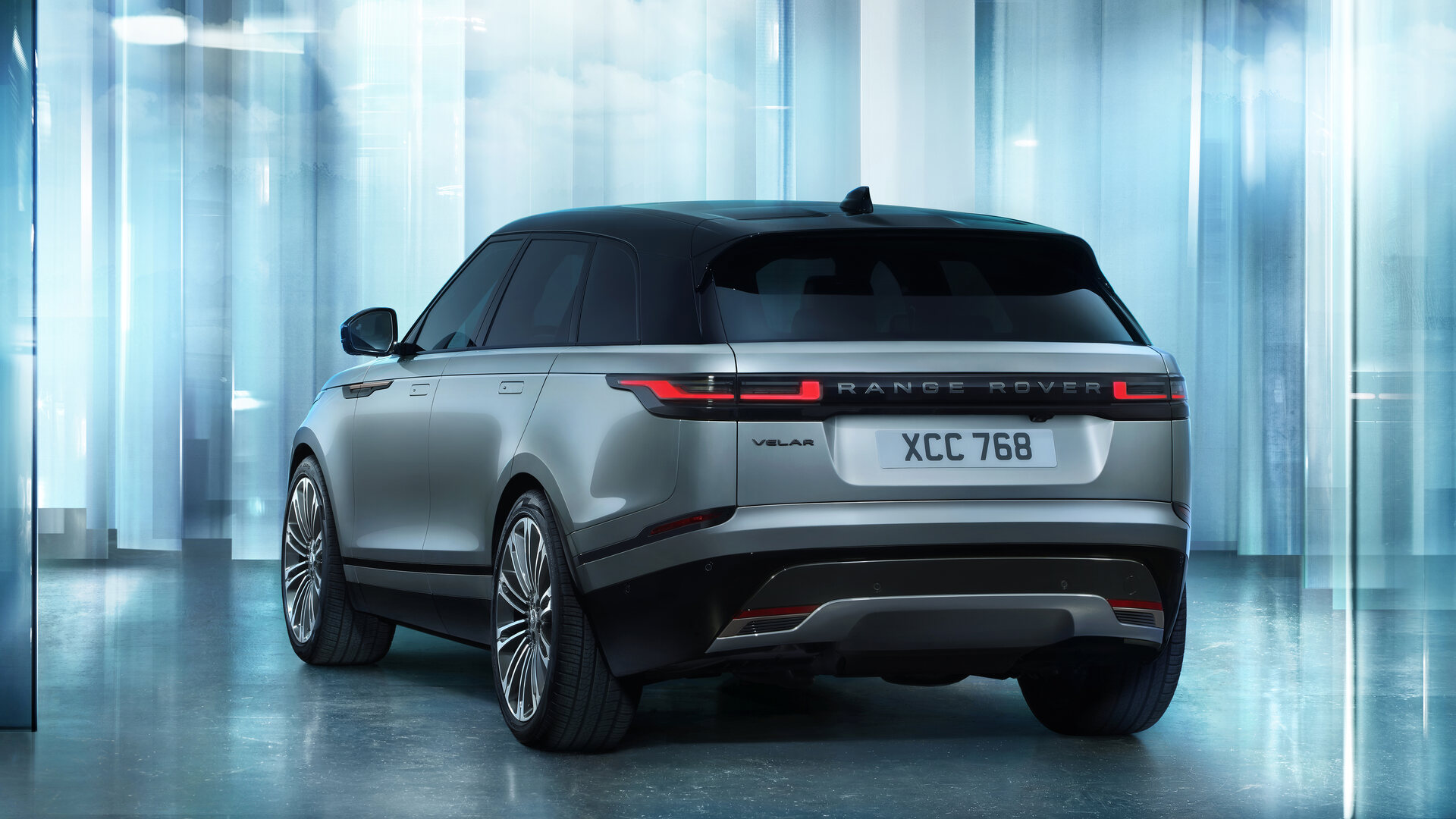
Velar engines ranked from buy-with-confidence to skip
Engine choice does more than anything else to determine total cost of ownership on a used Velar.
- 3.0 D300 mild-hybrid diesel (2020 onwards): the buy. Smooth, torquey, real-world 38 to 42 mpg on a UK A-road run per Honest John Real MPG owner submissions, ZF 8HP gearbox is among the best in the business. Service the gearbox at 70,000 to 80,000 miles regardless of JLR’s published interval; the fluid is not lifetime.
- P400 3.0 petrol mild-hybrid: a strong second. Same straight-six base, smoother and quieter than the diesel but real-world fuel economy drops to 25 to 28 mpg and ULEZ-compliant cars only.
- P400e plug-in hybrid (2.0 petrol plus electric motor and battery): the only Velar worth considering for a higher-rate taxpayer with home charging. BIK on plug-in hybrids depends on CO2 and zero-emission range and sits well above the 4% rate that pure EVs enjoy in 2026-27 per HMRC’s company-car appropriate-percentage tables, so the math only works if you actually plug it in.
- 2.0 D240 twin-turbo diesel (2017 to 2020): a passable choice on a verified-history car under £20,000, but the twin-turbo set-up is more failure-prone than the D300 single-turbo straight-six, and a turbo replacement is a £3,500 to £5,500 main-dealer bill.
- 2.0 P250 or P300 Ingenium petrol (2017 to 2020): skip on a high-miler. Oil consumption, timing-chain wear and wet-belt-adjacent service costs are well documented on PistonHeads Velar threads. If the car is sub-30,000 miles with full main-dealer history and the price is exceptional, fine; otherwise spend the money elsewhere.
Common faults to inspect before you sign
Walk away from any Velar where the seller cannot evidence the following.
- Air suspension: on the ramp, watch all four corners settle uniformly. A compressor on its way out will hold up the front but sag the rear after standing. Compressor and valve block replacement is £1,400 to £2,200 at an independent JLR specialist, £2,400 to £3,200 main dealer.
- Infotainment: pre-facelift Velars (2017 to 2020 InControl Touch Pro) freeze and reboot. A 24MY+ Pivi Pro car is dramatically more stable. Test CarPlay over both wired and wireless on the test drive.
- Front lower control arm bushes: clunk on slow-speed potholes. £600 to £900 to replace at an independent JLR specialist. Common at 55,000 to 70,000 miles.
- Brakes: the Velar eats front discs and pads. Budget £450 to £650 every 30,000 miles at an independent JLR specialist; double that at a main dealer.
- Electronic parking brake actuators: a known weak point. Listen for whirring on parking-brake release.
- Service history: on a 2020+ D300, look for ZF 8HP gearbox oil change at 70,000 to 80,000 miles (not in JLR’s published schedule but every JLR specialist will tell you to do it).
Warranty, service plan and approved used: is the JLR premium worth it
A clean Land Rover Approved Used Velar comes with a minimum 12 months / unlimited mileage warranty, 24/7 roadside cover and full main-dealer multi-point inspection prep. The premium over a comparable independent-dealer car is typically £2,500 to £4,500. For a Velar specifically, that premium is worth paying on a sub-£35,000 car because the warranty covers the things most likely to go wrong (air suspension, infotainment module, gearbox). For a car above £40,000, an independent purchase plus a strong used-car warranty from a specialist provider can be the better-value play; see our Warranty Direct vs MotorEasy vs ALA comparison on used JLR for the numbers.
Insurance is the other Velar tax. Group 40 to 44 across most trims means premiums for a 40-year-old in a low-risk postcode running £700 to £1,200/year on a clean licence per Thatcham insurance-group data. A modified or wrapped car will exceed that comfortably. If you are buying a high-spec Autobiography or an SVR-style detail, get the quote in writing before you commit. Specialist UK insurers worth a quote include Adrian Flux and Lancaster on agreed-value policies for low-mileage cars; mainstream insurers will normally beat them on a daily-driver Velar.
PCP, HP or cash on a used Velar
JLR Financial Services and most mainstream UK lenders will quote PCP on a Land Rover Approved Velar up to seven years from first registration with around 84-month total term, subject to FCA-authorised affordability rules. For most buyers paying outright is the wrong answer on a used JLR because you carry all the depreciation risk yourself; PCP with a realistic balloon (guaranteed minimum future value, or GMFV) lets you hand the car back if a major fault appears in year three. See our walkthrough of PCP vs HP for a Range Rover for the full math on a £45,000 example. Whatever you sign, read the early-settlement and voluntary-termination terms; under the Consumer Credit Act 1974 you have a right to hand back the car once you have paid half the total amount payable, which is a genuine safety net on a Velar.
Our take
For a UK premium used buyer in 2026 the right Range Rover Velar used buy is a 2021 to 2022 D300 R-Dynamic HSE on air suspension, full Land Rover Approved service history, sub-50,000 miles, with the JLR Approved Used warranty extended at least 12 months. Budget £35,000 to £42,000. That car gives you the strongest engine in the range, the safest service interval position (clear of the 60,000-mile air-suspension wave but past the early build-quality teething), and a covered warranty path through the items most likely to need attention. If your budget tops out at £25,000, take a 2019 to 2020 D300 from an independent JLR specialist (not a Range Rover main dealer) on a thoroughly verified history and accept that you will spend £1,500 to £2,500 in year one bringing it to ideal shape. Whatever year you choose, skip the 2.0 P250 petrol and walk away from any car without a verifiable HPI clear and a complete V5C history.
Is the Range Rover Velar reliable as a used buy?
What is the best engine in the Range Rover Velar?
How much does a used Range Rover Velar cost in the UK in 2026?
Does the Range Rover Velar have air suspension as standard?
Are there any active DVSA recalls on the Range Rover Velar?
Should I buy a Range Rover Velar or wait for the all-new Velar EV?
Related reading on CDE
- Best Year Range Rover Sport L494 Used (2014-2022)
- Audi Q7 4M common faults at 60-80k miles
- Porsche Cayenne 958 reliability by engine and year
How we researched this guide
Every pick here is shortlisted from hands-on testing and time spent living with the hardware by the CDE desk, then sanity-checked against current UK pricing, manufacturer specs and real-world performance before it makes the cut. We never rank for commission — affiliate links don't change the order.
Buyer action
Where to check next
Use this as the final check before paying a deposit, signing finance paperwork or relying on a headline monthly figure.