EV Buyer Incentives UK 2026 After Plug-in Grant Ended.
CDE may earn a commission when you click affiliate links. This does not change what we recommend.
What CDE found across 10 active UK EV incentive schemes (CDE data)
CDE pulled the current scheme pages for the 10 most active UK consumer-facing EV incentives on 2026-05-23 and tabulated maximum benefit, eligibility gating, qualifying vehicle types and current application status. Sample: 10 schemes covering Salary Sacrifice, Benefit-in-Kind, EV Chargepoint Grant, Workplace Charging Scheme, the Plug-in Van/Taxi/Motorcycle/Truck grants, Energy Saving Trust Scotland’s used EV loan and ULEZ/CAZ exemption.
- Schemes accepting applications: 8 of 10 are actively open to UK applicants as of 2026-05-23.
- Capped or limited: 1 of 10 (Energy Saving Trust Scotland used EV loan) is operating with reduced loan ceilings after the 2024 funding cuts.
- Closed: 1 of 10 (the original Plug-in Car Grant for cars) has been wound down since June 2022 and has not been reinstated.
- Largest single benefit: Salary Sacrifice on a 2026 EV typically saves a 40% taxpayer between £8,000 and £15,000 over a three-year scheme term, depending on list price and tax band.
- Caveat: grant rates and eligibility shift at each Budget. Always verify on the gov.uk scheme page before purchase.
What ended at UK level for car buyers
The Department for Transport withdrew the Plug-in Car Grant for new cars on 14 June 2022, ending the last major consumer-facing EV purchase subsidy for the British buyer. According to gov.uk guidance on the Plug-in Vehicle Grants and HMRC’s company car benefit guidance:
- Plug-in Car Grant (new EV, formerly up to £1,500): closed to new applications for cars on 14 June 2022 and has not been reauthorised.
- Zero VED for EVs: ended on 1 April 2025. EVs first registered after that date now pay first-year VED of £10, the standard rate of £190 from year two, plus the £410 Expensive Car Supplement on list prices above £40,000 in years two through six.
- Electric Vehicle Homecharge Scheme (EVHS) for owner-occupiers: ended March 2022. Replaced by the narrower EV Chargepoint Grant for flat owners and renters only.
- Registration-date exception: EVs first registered before 1 April 2025 retain their original VED treatment; the change applies by registration date, not vehicle age.
The Plug-in Van, Taxi, Motorcycle, Truck and Wheelchair Accessible Vehicle grants survived the 2022 cull and remain claimable in 2026, alongside the EV Chargepoint Grant for flat dwellers and renters and the Workplace Charging Scheme for employers. For the official UK incentive map, the OZEV (Office for Zero Emission Vehicles) collection on gov.uk is the single best clearinghouse.
The strongest UK EV incentives still claimable in 2026
EV buyer incentives UK 2026 after the Plug-in Grant ended are now stratified by who you are: company car driver, flat dweller, employer, van or taxi operator, or Scottish resident. The list below summarises the 10 most active schemes for UK buyers in 2026. Confirm every detail on the gov.uk scheme page before ordering or enrolling: caps move at each Budget, BIK rates step up each tax year, and Salary Sacrifice eligibility depends on whether your employer offers a recognised scheme.
| Scheme | Body | Max benefit | Key gating rule | Source |
|---|---|---|---|---|
| Salary Sacrifice (EV) | HMRC-recognised employer scheme | £8,000-£15,000 saving over 3 years for a 40% taxpayer | Employer must offer a scheme; salary must remain above NMW after sacrifice | HMRC Salary Sacrifice |
| Benefit-in-Kind (EV company car) | HMRC | 3% of P11D in 2025/26, 4% in 2026/27, 5% in 2027/28 | Must be a company car or Salary Sacrifice EV | HMRC BIK rates |
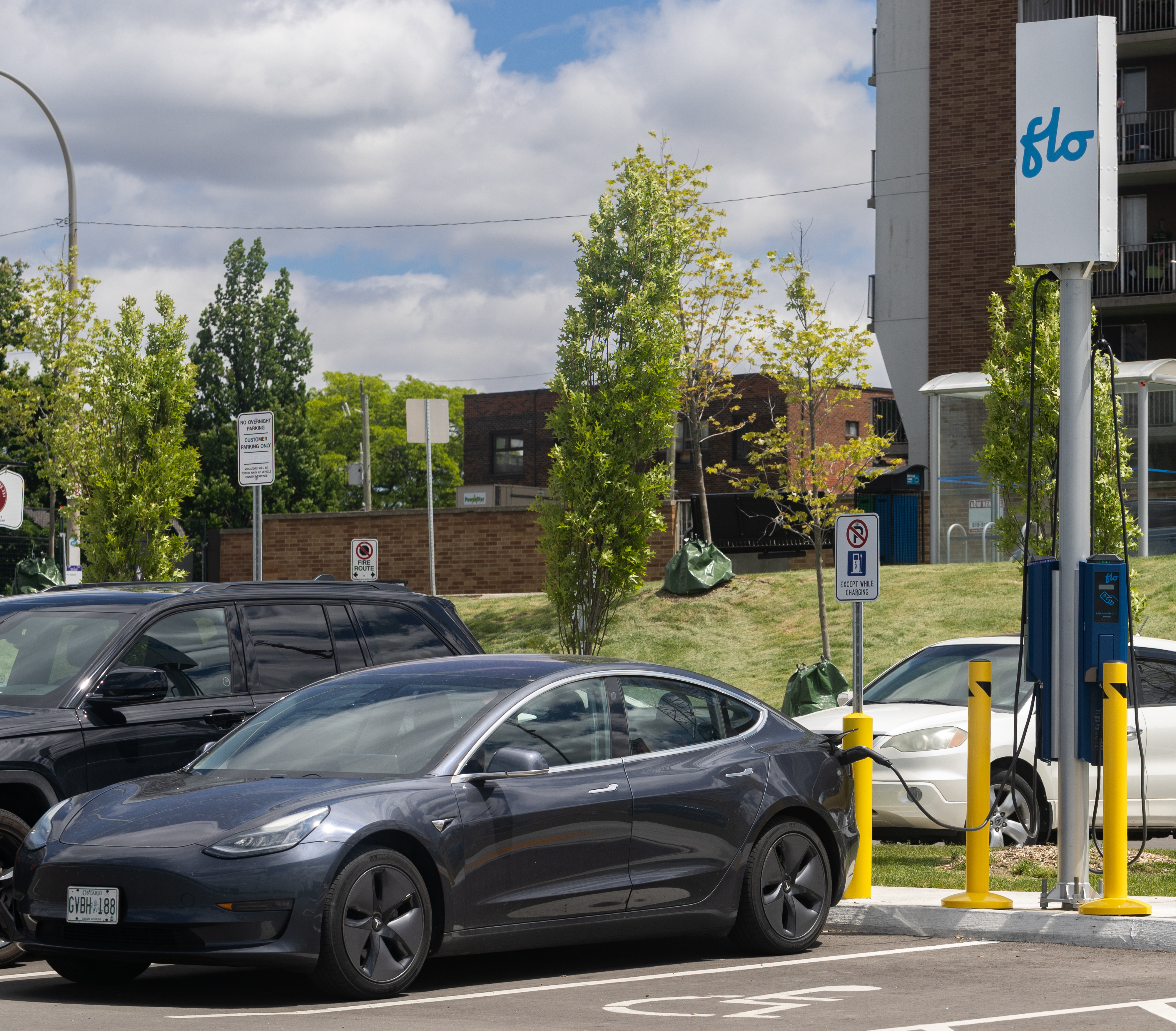
| EV Chargepoint Grant | OZEV | Up to £350 toward a home charger install | Flat owners and renters only; off-street parking required | gov.uk EVCG |
| Workplace Charging Scheme | OZEV | £350 per socket, up to 40 sockets (£14,000 cap per applicant) | Employer, SME or charity applies; site must have parking | gov.uk WCS |
| Plug-in Van Grant | OZEV | Up to £2,500 small van, up to £5,000 large van | Approved van model on OZEV list; commercial registration | gov.uk Van Grant |
| Plug-in Taxi Grant | OZEV | Up to £6,000 per taxi | Licensed hackney carriage; approved model | gov.uk Taxi Grant |
| Plug-in Motorcycle Grant | OZEV | Up to £500 per motorcycle, £150 per moped | Approved L-category model | gov.uk Motorcycle Grant |
| Plug-in Truck Grant | OZEV | Up to £16,000 small truck, £25,000 large truck | HGV use; approved model on OZEV list | gov.uk Truck Grant |
| Used EV Loan (Scotland) | Energy Saving Trust / Transport Scotland | Up to £30,000 interest-free (reduced from 2024) | Scottish resident; approved used EV bought through a dealer | Energy Saving Trust Scotland |
| ULEZ / Clean Air Zone exemption | TfL and local councils | Roughly £12.50 daily (ULEZ); £8-£10 daily (Birmingham, Bristol, Bradford CAZ) | Zero-emission vehicle; zone-specific | TfL ULEZ |
Stacking workplace charging with home chargepoint grants
Beyond Salary Sacrifice and BIK, several stackable buckets still exist for UK buyers in 2026:
- EV Chargepoint Grant: Worth up to £350 toward a home chargepoint for flat owners and renters with off-street parking. Sole house owner-occupiers no longer qualify (that route closed in March 2022), but the renters-and-flats variant remains open in 2026.
- Workplace Charging Scheme: Worth up to £350 per socket, with a maximum of 40 sockets per employer. SMEs, charities and small accommodation providers all qualify under the scheme, alongside larger employers.
- Council and energy-supplier deals: Several councils (Nottingham, Milton Keynes, Westminster) run additional on-street chargepoint or residential parking-bay schemes, while energy suppliers (Octopus Intelligent Go, OVO Charge Anytime, EDF GoElectric, British Gas EV) offer overnight rates of 7-10p/kWh that materially shift the running-cost calculation.
A buyer using Salary Sacrifice plus the EV Chargepoint Grant plus a 7p overnight tariff on a 2026 EV can net a three-year benefit comfortably above the old £1,500 Plug-in Car Grant. Outside the company car bracket the picture is thinner: a cash buyer with no Salary Sacrifice access has effectively no purchase-side incentive in 2026 beyond ULEZ or CAZ exemption and £10 first-year VED, with the standard £190 VED from year two and the £410 Expensive Car Supplement for list prices above £40,000 in years two through six.
What changed for leased EVs in 2026
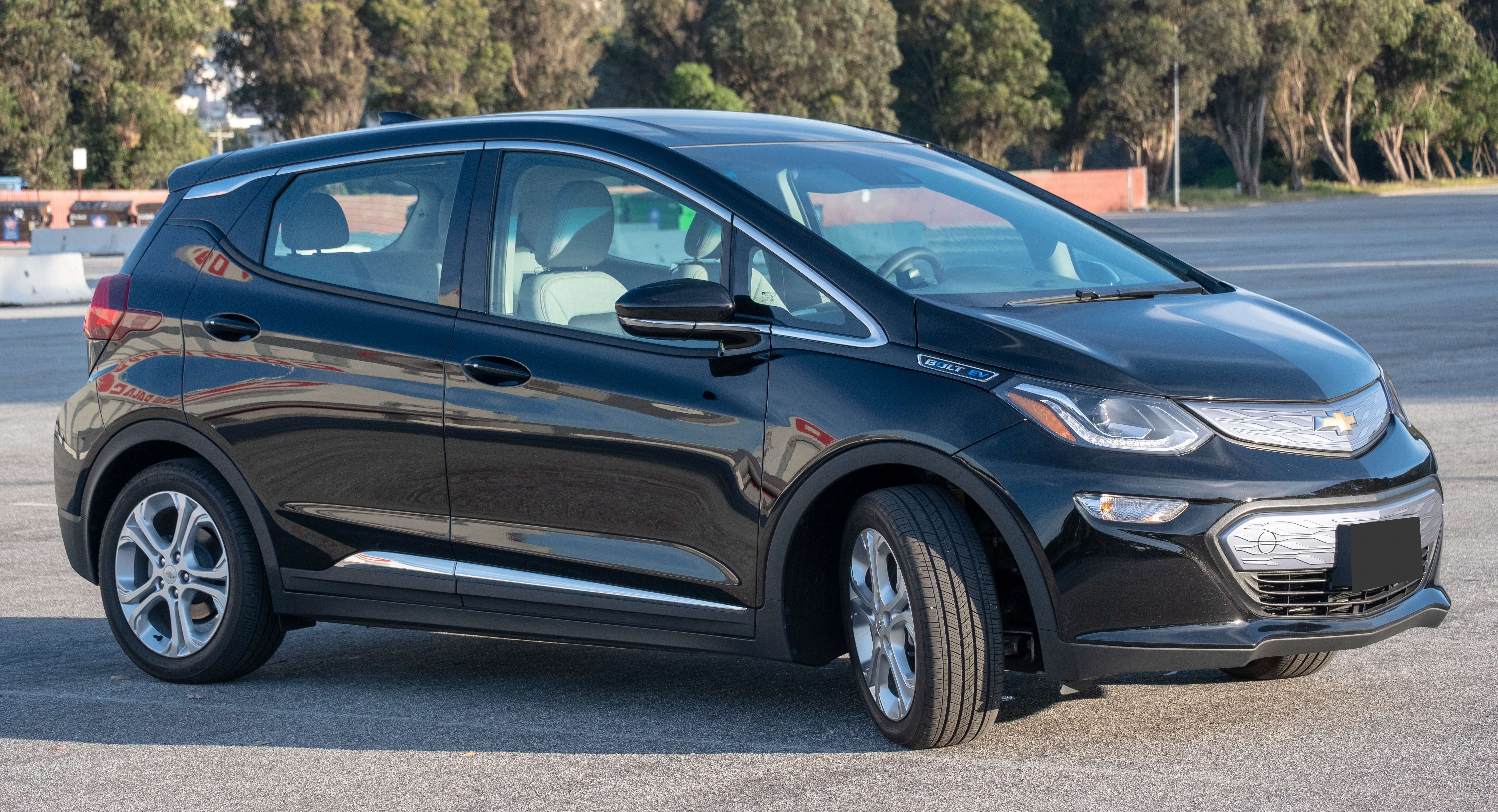
Personal Contract Hire (PCH) on EVs in 2026 is largely driven by manufacturer support funds, not government subsidy. With the Plug-in Car Grant gone since 2022, PCH lease cash on EVs is OEM-funded, and broker pricing reflects that. The exception is business leasing through Salary Sacrifice, which routes the consumer benefit through BIK and Income Tax relief rather than a purchase grant. For a 40% taxpayer leasing a £45,000 list-price EV via Salary Sacrifice in 2026, BIK at 4% means a taxable benefit of roughly £1,800 set against a sacrificed salary of £8,000-£10,000 a year, netting savings of £3,500-£4,500 annually compared with a comparable petrol or diesel PCH deal.
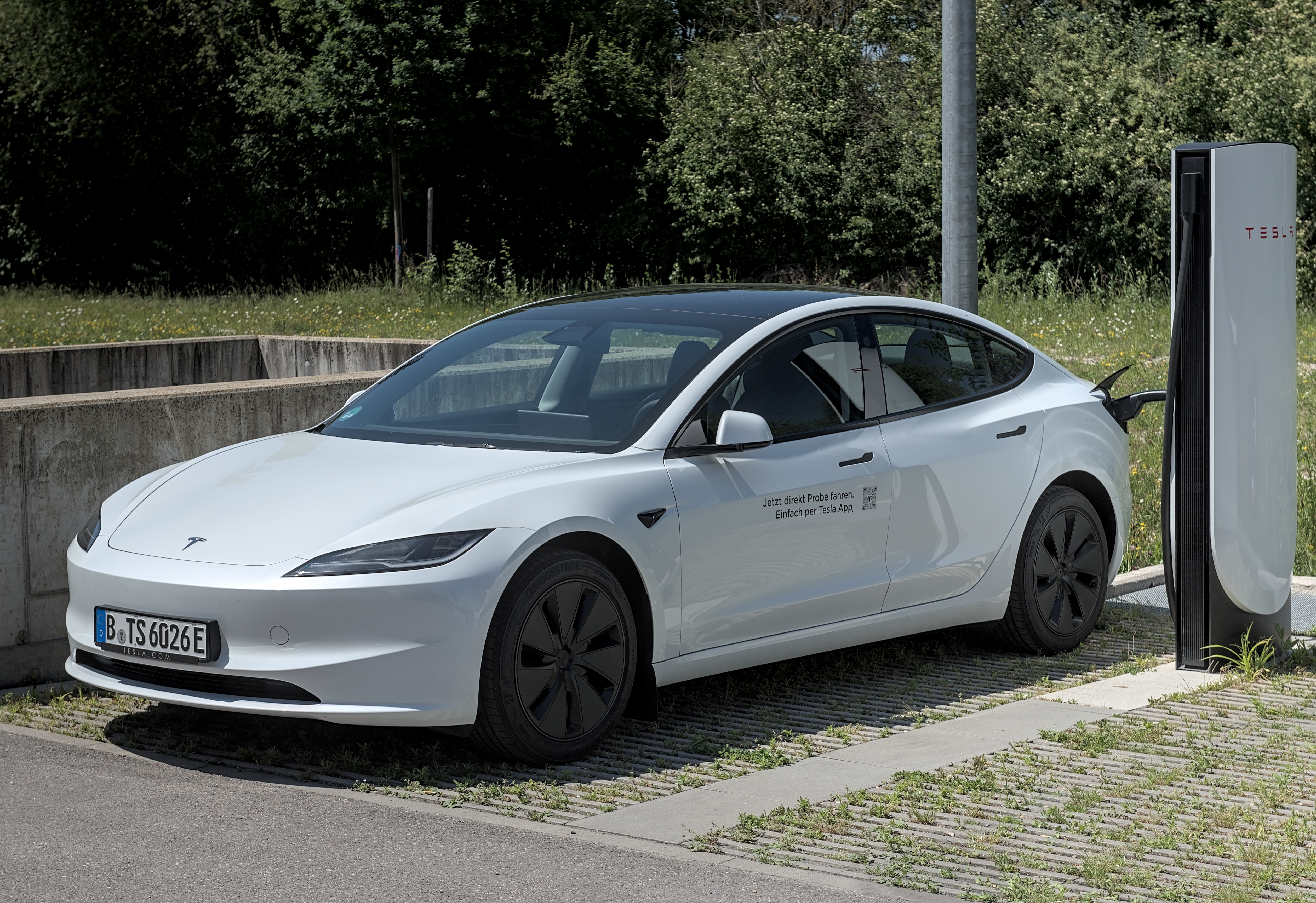
For buyers running the numbers on PCH versus PCP versus Salary Sacrifice right now, the maths is scheme-dependent. A company car driver with Salary Sacrifice access can come out materially ahead of a comparable petrol HP or PCP deal on a Tesla Model 3, Kia EV6 or Volkswagen ID.3. A self-employed cash buyer with no scheme access is back to comparing manufacturer offers, energy savings and ULEZ exemption only.
The schemes that have quietly wound down
Not every UK scheme weathered the post-2022 incentive review. Energy Saving Trust Scotland’s used EV interest-free loan was scaled back in 2024, with a tighter maximum loan amount and revised eligibility. The household owner-occupier Electric Vehicle Homecharge Scheme (EVHS) ended in March 2022 and was replaced by the narrower EV Chargepoint Grant for flat dwellers and renters only. Several councils have also stopped subsidising on-street residential chargepoints in favour of LEVI-fund-backed rollouts delivered by commercial chargepoint operators. As of CDE’s 2026-05-23 review, the OZEV scheme list is materially shorter than the 2021 peak.
For broader context on how the UK EV market is responding, see our coverage of the UK EV adoption slowdown in 2026 and our dealer mark-ups returning in 2026 piece. Both have direct bearing on whether the incentive stack you assemble actually offsets the list price you pay.
How to actually claim UK EV incentives in 2026 without getting burned
Three steps avoid the common traps:
- Confirm Salary Sacrifice terms with HR before you order: eligibility depends on your employer’s specific scheme rules, not the HMRC framework alone. National Minimum Wage rules mean low earners cannot sacrifice their salary below NMW, and early termination clauses on three- and four-year scheme cars can be punitive in the event of job change, parental leave or redundancy.
- Check the £40,000 Expensive Car Supplement threshold against your build sheet, not the brochure: EVs first registered from April 2025 with a list price above £40,000 attract the £410 Expensive Car Supplement on top of the standard £190 VED in years two through six. A trim, alloy pack or paint upgrade that nudges you over the cap adds roughly £2,050 across five years.
- Plan cashflow on grants versus Salary Sacrifice: the EV Chargepoint Grant is paid to the OZEV-approved installer (not the consumer), and the £350 comes off the install invoice. Salary Sacrifice deductions start from the first pay period after delivery. BIK is reflected in your tax code and shows up on your annual P11D. Budget accordingly.
With the Plug-in Car Grant long gone, Salary Sacrifice is the single biggest lever a UK EV buyer can pull in 2026. For a company car driver it still beats the old PiCG many times over. For a cash buyer outside the scheme, the picture is thinner, and the case for buying new now leans on running-cost savings and manufacturer PCH support more than government subsidy.
Paraphrased editorial summary of the UK EV incentive landscape, drawing on the OZEV grant collection on gov.uk (2026).
Our take
EV buyer incentives UK 2026 after the Plug-in Grant ended is now the deciding factor for whether the maths on a new EV works for a given household. For company car drivers and Salary Sacrifice members, BIK at 3-4% remains by far the most generous consumer-facing EV subsidy available anywhere in Europe. Flat owners and renters can still tap the £350 EV Chargepoint Grant, employers can claim the Workplace Charging Scheme, and Scottish residents can access the reduced used EV loan. Everywhere else, the buying case for a new EV in 2026 leans more on running-cost savings, manufacturer PCH support and ULEZ exemption than on government grants. The standard caveat applies: incentive eligibility, BIK rates, VED bands and Salary Sacrifice rules change at each Budget, and HMRC, your employer, your installer and your council all have specific requirements that depend on your address, income, the vehicle’s list price and registration date. Verify the gov.uk scheme page before purchase and speak to an accountant about your specific position. CDE does not advise on personal tax eligibility.
Can I still claim the Plug-in Car Grant in 2026?
No. The Plug-in Car Grant for new cars closed to applications on 14 June 2022 and has not been reinstated by the current government. The Plug-in Van, Taxi, Motorcycle, Truck and Wheelchair Accessible Vehicle grants do remain claimable in 2026 for eligible commercial buyers through OZEV.
What is the largest UK EV incentive in 2026?
For eligible employees, Salary Sacrifice is the largest single benefit. A 40% taxpayer on a £45,000 EV through a three-year Salary Sacrifice scheme can save £8,000 to £15,000 over the scheme term, driven by the low Benefit-in-Kind rate (3% in 2025/26, 4% in 2026/27) and the Income Tax and National Insurance saved on the sacrificed salary.
Is the home EV chargepoint grant still available in 2026?
The general home chargepoint grant for owner-occupiers (EVHS) ended in March 2022. The narrower EV Chargepoint Grant, worth up to £350, remains available in 2026 for flat owners and renters with off-street parking. Eligibility is checked through the OZEV-approved installer at the point of booking.
Can I stack Salary Sacrifice with the EV Chargepoint Grant?
Yes. Salary Sacrifice covers the vehicle through your employer’s HMRC-recognised scheme, the EV Chargepoint Grant covers up to £350 of a home charger install through OZEV, and the two routes do not exclude each other. Confirm the chargepoint eligibility through an OZEV-approved installer before booking.
Do EVs still pay zero road tax in 2026?
No. EVs first registered from 1 April 2025 pay £10 first-year VED, then the standard rate (£190 in 2025/26) from year two, plus the £410 Expensive Car Supplement for list prices above £40,000 in years two through six. EVs registered before April 2025 retain their original VED treatment.
Is the Salary Sacrifice route closing in 2026?
No. BIK rates do step up each year (3% in 2025/26, 4% in 2026/27, 5% in 2027/28), but HMRC has not signalled an end-date for Salary Sacrifice on EVs beyond the published taper. The scheme remains comfortably the most generous consumer-facing EV subsidy in the UK for eligible employees.
Related reading on CDE
- The UK EV adoption slowdown in 2026
- Why dealer mark-ups are quietly returning in 2026
- First-time car buyer financing checklist for 2026
Disclaimer: this article is general information only and does not constitute personal tax or financial advice. Incentive eligibility, BIK rates, VED bands and Salary Sacrifice rules change throughout the year and at each Budget. Verify on the gov.uk scheme page before purchase, and consult an accountant for your specific situation.
Buyer action
EV and salary-sacrifice checks
Use this as the final check before paying a deposit, signing finance paperwork or relying on a headline monthly figure.