Tesla Cybercab vs Waymo One: Efficiency vs Service UK 2026.
This is an editorial comparison. The two products serve overlapping but distinct ambitions, and the regulatory environment around both is moving quickly on both sides of the Atlantic.
Tesla Cybercab: the efficiency story
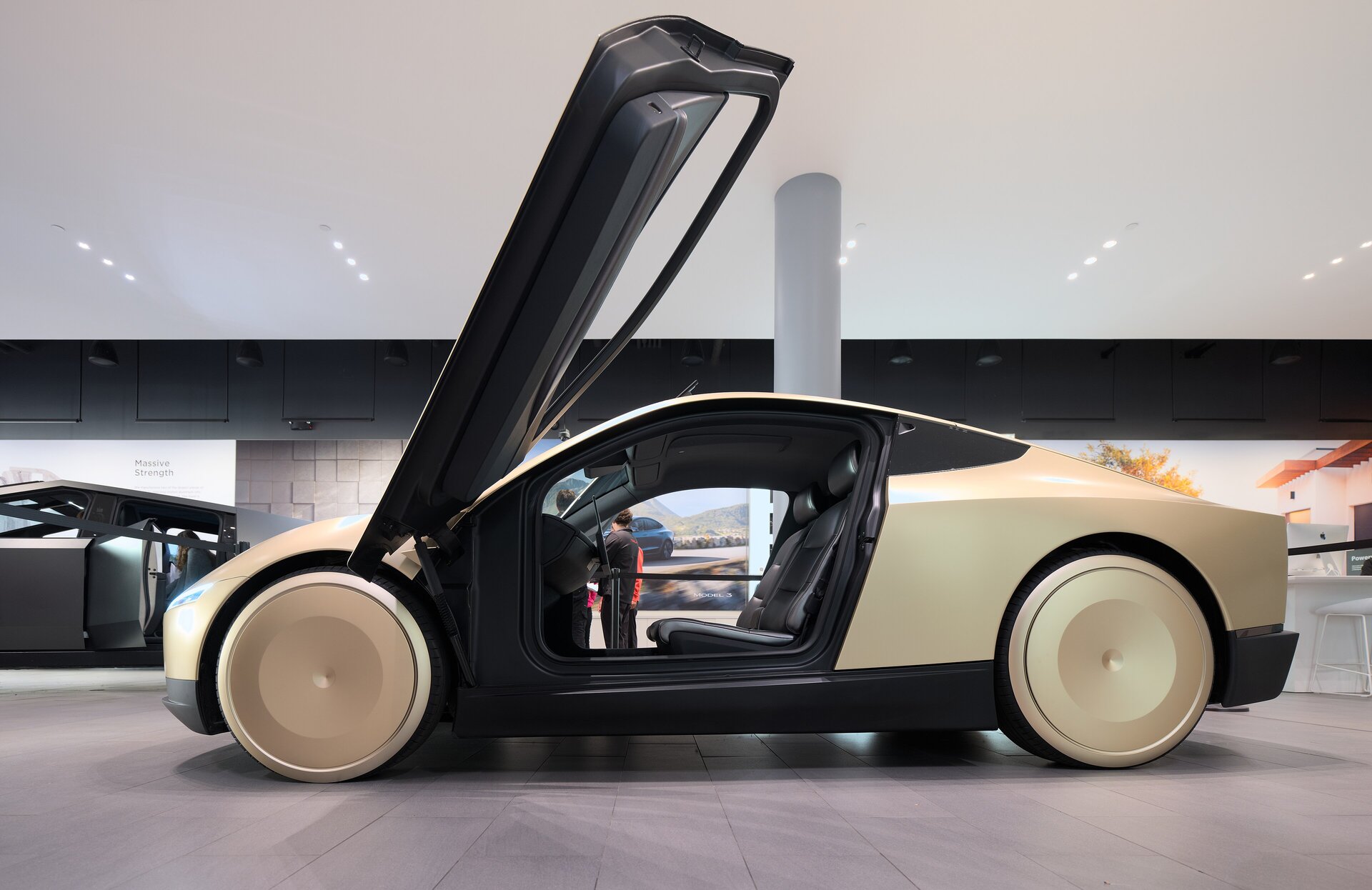
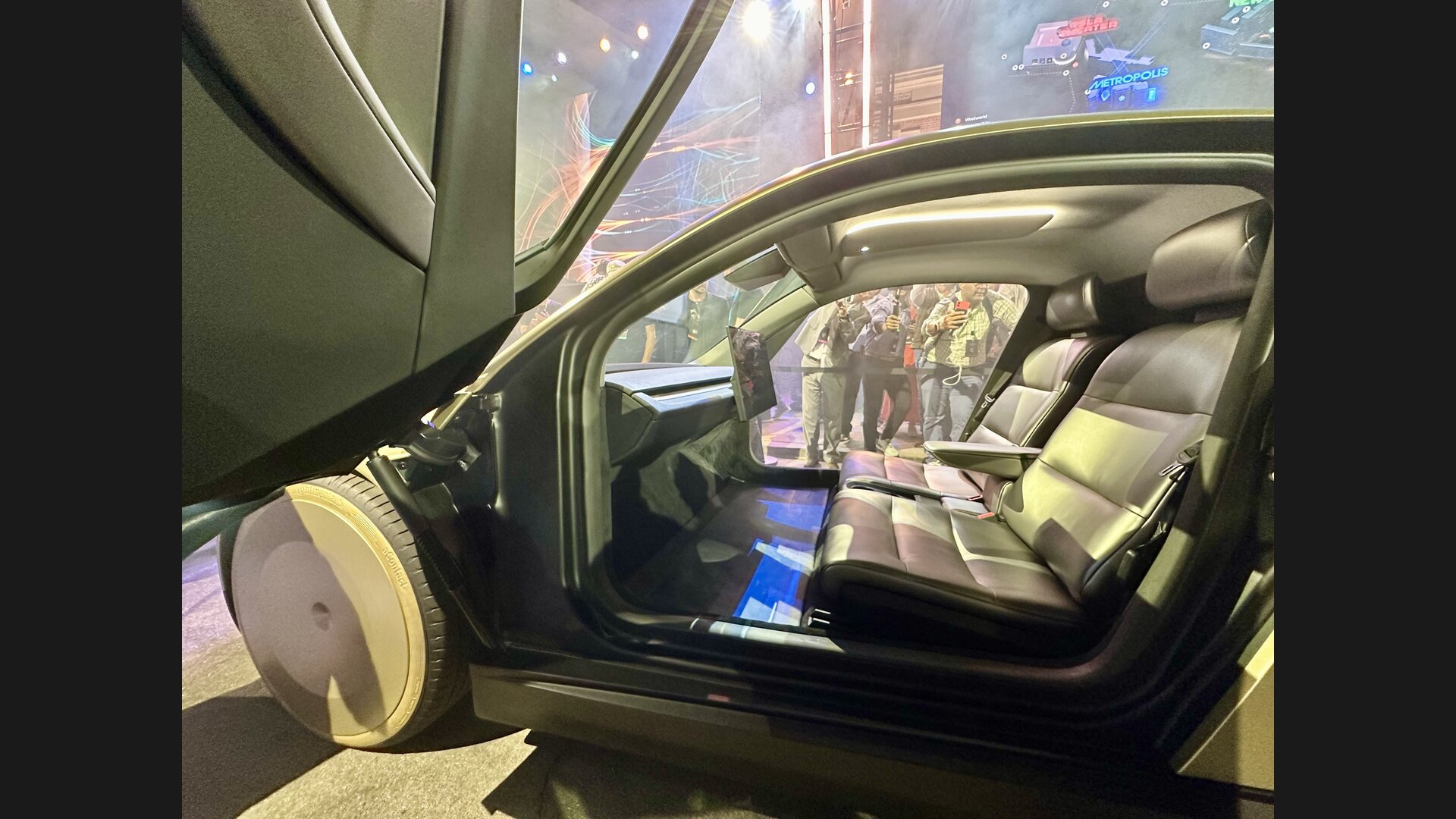
The Cybercab’s headline number is 165 Wh per mile, which makes it the most efficient road-legal electric vehicle ever certified. The route Tesla took is structural rather than miraculous: a sub-50 kWh battery pack, a two-seat passenger compartment, no steering wheel, no pedals, no driver-facing controls. Stripping the human-driver hardware also strips meaningful kerb weight, which compounds the efficiency gain across the drive cycle. Aerodynamically the Cybercab sits closer to a teardrop than a conventional motor car, with a fixed-fore design that does not need to accommodate a steering column or a driver seat with conventional adjustability. The result is impressive engineering, but the comparison set is narrow: this is not a Model Y or a Model 3 alternative for the UK driveway, it is a purpose-built robotaxi engineered for the use case Tesla intends to commercialise.
Waymo One: the operating story
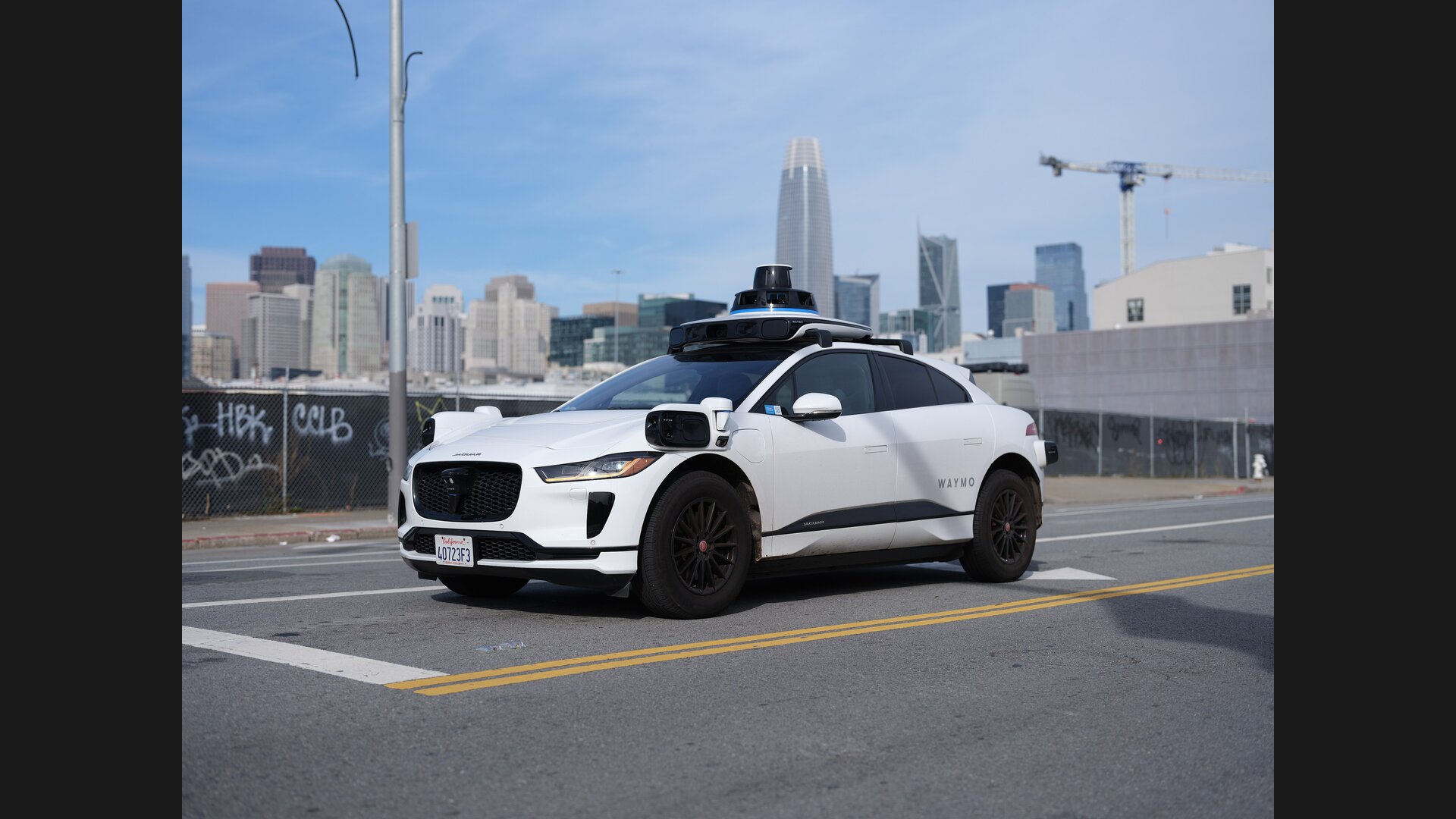
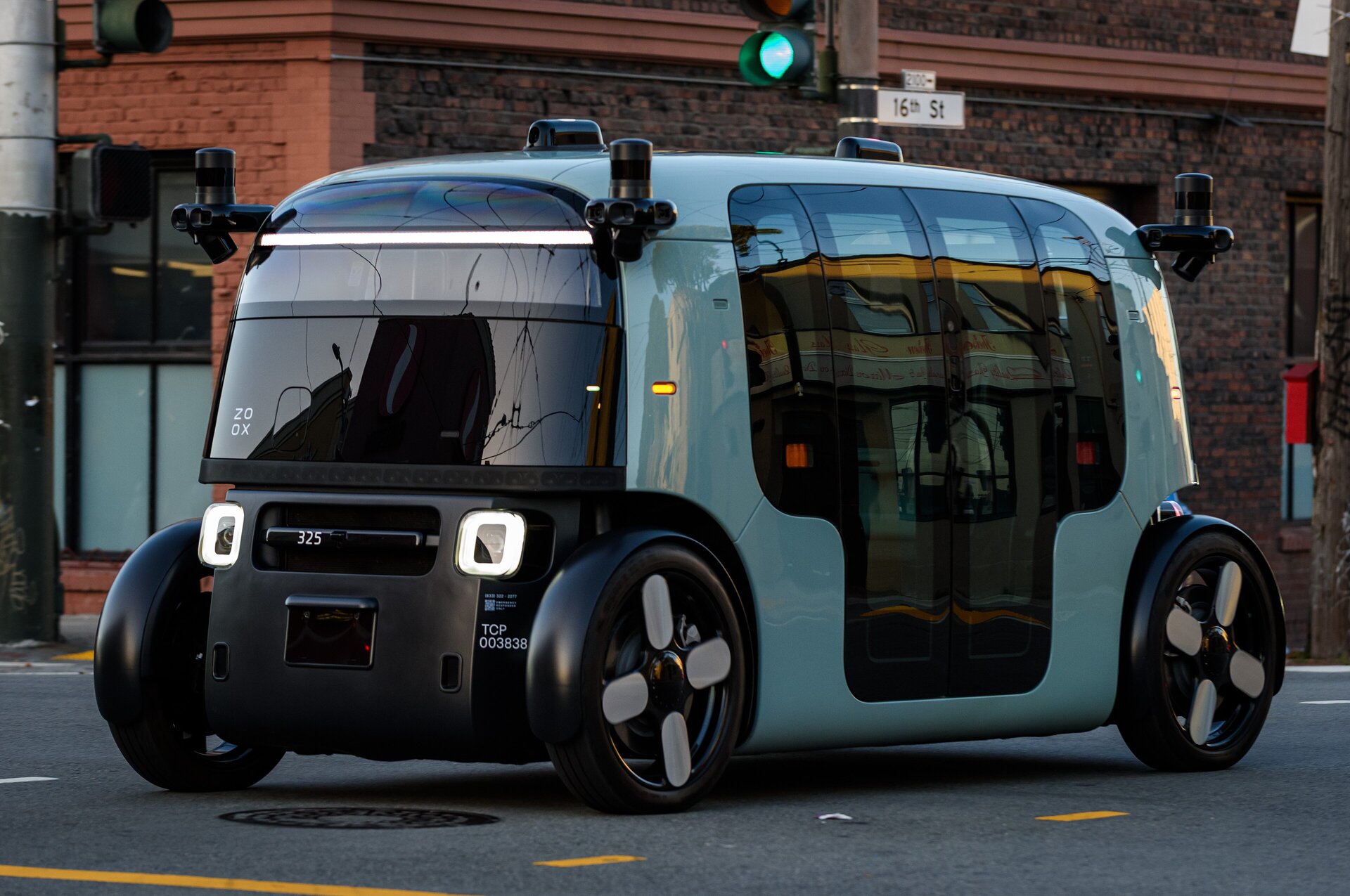
Waymo’s competitive advantage is that it is already running a paying robotaxi service at scale. Waymo One is operational in Phoenix, San Francisco, Los Angeles and Austin, with route expansion ongoing – though no UK city is on its published roadmap in May 2026. The fleet is split between retrofitted Jaguar I-PACE platforms (a British-built EV, ironically) and the newer Zeekr-built ride-hailing MPV designed jointly with Waymo for the next generation of service. Importantly, Waymo’s safety record across millions of rider-only miles is publicly verifiable through California state crash reporting and the company’s own safety-data releases. The service is bookable today via the Waymo app at a per-mile fare typically higher than a comparable Uber or Lyft trip, but lower than a chauffeur or black-car booking. Waymo’s economics depend on scaling beyond the four current operating cities and on retrofit costs continuing to fall as the Zeekr platform replaces the I-PACE.
What an honest head-to-head looks like
- Availability today: Waymo One offers paid passenger rides in four US metros. Cybercab is on display at events and small-scale Tesla deployments; no public paid service at scale. Neither is bookable on UK roads.
- Hardware approach: Waymo retrofits existing OEM platforms (Jaguar I-PACE, then Zeekr) with a multi-sensor stack: LiDAR, camera, radar, audio. Tesla’s bet is camera-and-AI-only with vehicles purpose-built for the task.
- Cost per ride: Waymo’s published per-mile fare is comparable to a high-end Uber or Lyft trip. Tesla has not published a Cybercab service rate because the service is not yet live.
- Regulatory status: Waymo operates under existing California, Arizona and Texas state autonomous-vehicle frameworks plus city-level deployment permits. In the UK, the Automated Vehicles Act 2024 sets the framework, with DVSA Type Approval (against UNECE regs) and Department for Transport authorisation as the gating steps – neither Tesla nor Waymo currently holds the permits needed for commercial UK operation.
- Brand trust signal: Waymo has a multi-year operational safety record. Tesla has a multi-year debate over the safety record of its driver-assist features under similar branding, with ongoing US regulatory scrutiny that the DVSA and DfT will be reading closely before they sign anything off.
Why the efficiency number matters and why it does not
The 165 Wh per mile figure is genuinely a technical achievement and worth taking seriously. For a fleet operator, energy cost per mile is the second-largest variable cost after asset depreciation, and a Cybercab burning roughly half the energy of a Waymo I-PACE on the same route is a real margin advantage at scale – and a meaningful one in the UK where commercial electricity is dear. The trade-off is that the Cybercab cannot carry four passengers, cannot accept airport luggage in the boot in bulk, and is not yet road-tested in mixed urban traffic across a regulatory perimeter wider than Tesla’s controlled venues. Efficiency wins on the spreadsheet only matter if the service exists and the regulator permits commercial operation. Waymo, with its heavier retrofit hardware, is moving riders today; Cybercab, with its lighter purpose-built form, is moving press releases.
What this means for UK buyers and riders in 2026
For a rider in Phoenix, San Francisco, Los Angeles or Austin, Waymo One is a real option now: download the app, book a ride, the car arrives without a driver. For a rider in London, Manchester, Birmingham, Edinburgh or anywhere else in the UK, no robotaxi service is realistically available at scale yet, and none will be in 2026. For a prospective car buyer on a UK forecourt, neither product is a current consumer-purchase decision. The Cybercab is not retail-sold; Waymo’s I-PACE and Zeekr fleets are commercial deployments, not consumer cars. The buyer-relevant takeaway is what the products signal about the conventional EV market: range-per-kWh efficiency will keep improving as platforms shed driver hardware, and ride-hailing economics will keep shifting as autonomy moves from premium novelty toward mainstream commute infrastructure. For context on Tesla’s mainstream consumer-facing changes, see our coverage of the Tesla Model Y Juniper refresh.
Our take
If the question is “which robotaxi will be bigger by 2030,” our money is on both winning different parts of the market, with Waymo running the higher-trust premium service that today’s risk-averse riders prefer, and a Tesla Cybercab-style purpose-built two-seater dominating the high-volume, low-margin commute lane once the regulatory work is done. If the question is “which can I ride today in May 2026,” the answer is Waymo – and only if you are in the right US city, not in the UK. The Cybercab is a credible piece of engineering and the 165 Wh per mile figure rewrites what is possible on a pure-EV efficiency scoreboard. It is not yet a service. Treat the Cybercab as a product-roadmap signal and a market-direction indicator, not a 2026 commercial choice. Waymo is the benchmark to beat for any other operator, including Tesla – and when robotaxis do reach UK roads, both will likely arrive only after the Automated Vehicles Act framework matures into deployment-level permits.
Can I ride a Tesla Cybercab in the UK in 2026?
Where does Waymo One operate today?
Why is the Tesla Cybercab so efficient at 165 Wh per mile?
How does Waymo One pricing compare to Uber or Lyft?
Is the Tesla Cybercab safe?
Related reading on CDE
Buyer action
Where to check next
Use this as the final check before paying a deposit, signing finance paperwork or relying on a headline monthly figure.