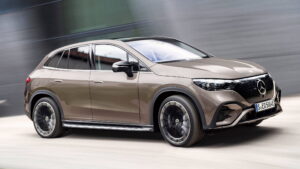
Polestar 4 vs Mercedes EQE on salary sacrifice in 2026: which premium EV gets you the best take-home.
CDE may earn a commission when you click affiliate links. This does not change what we recommend.
How CDE compared the Polestar 4 and EQE on sal-sac
CDE ran monthly quote tools at Octopus EV and Loveelectric for both cars on a 4-year, 10,000-mile, 40% taxpayer profile on 25 May 2026, then cross-referenced HMRC’s BIK tables 2026-27 to 2029-30 and Carwow + What Car real-world range tests.
- Polestar 4 LR Single Motor: OTR £59,990; 385-mile WLTP; Carwow 333 miles real-world (~90% of claim).
- Mercedes EQE 300 AMG Line: OTR ~£74,500; 376-380 mile WLTP (19in); Carwow ~300 miles long motorway.
- Indicative sal-sac (4yr/10k): Polestar 4 LR SM ~£1,030-£1,170 gross/mo; EQE 300 AMG Line ~£1,300-£1,500.
- Net (40% taxpayer): Polestar 4 LR SM ~£620-£700/mo; EQE 300 AMG Line ~£780-£900/mo.
The Polestar 4 and EQE in two sentences each
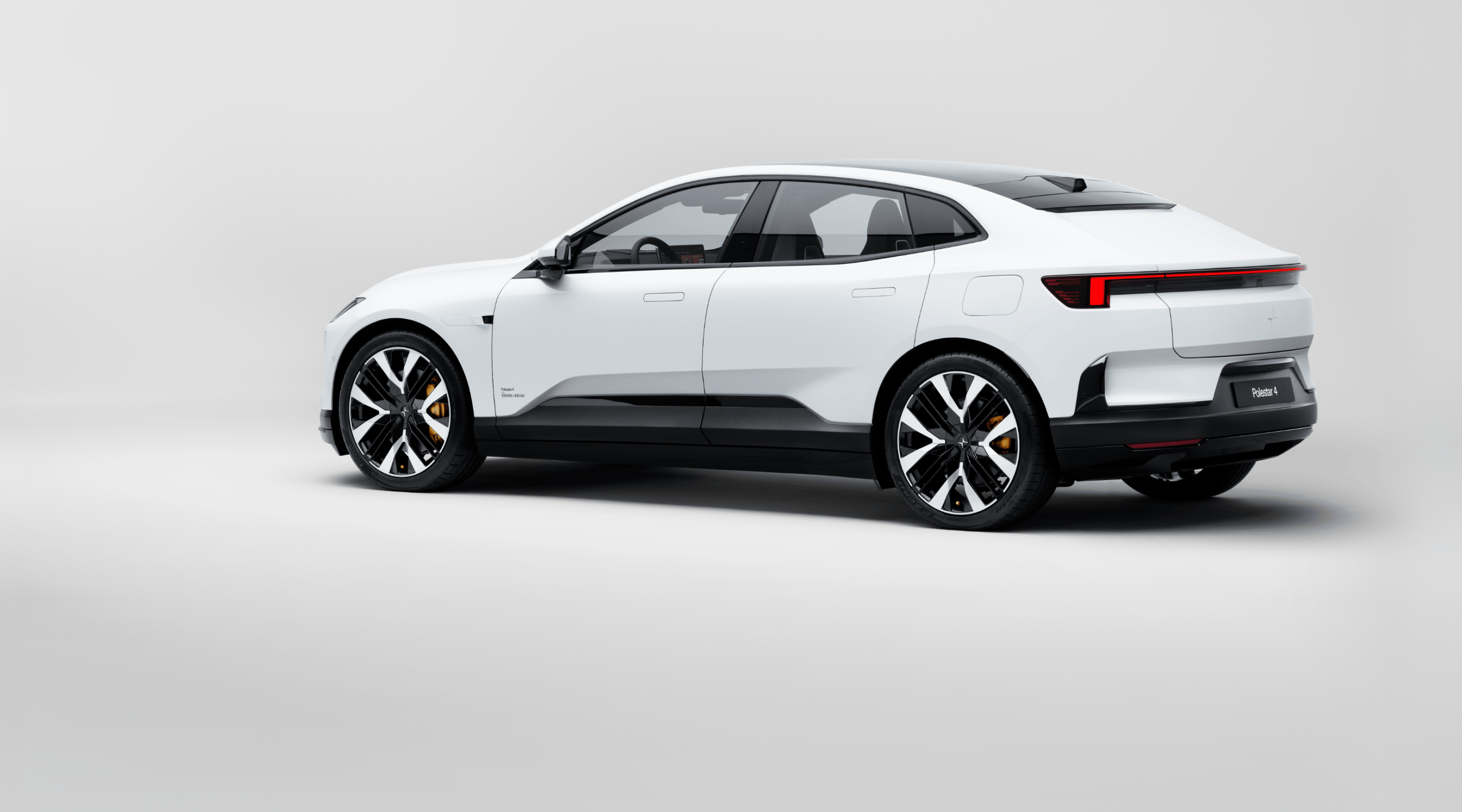
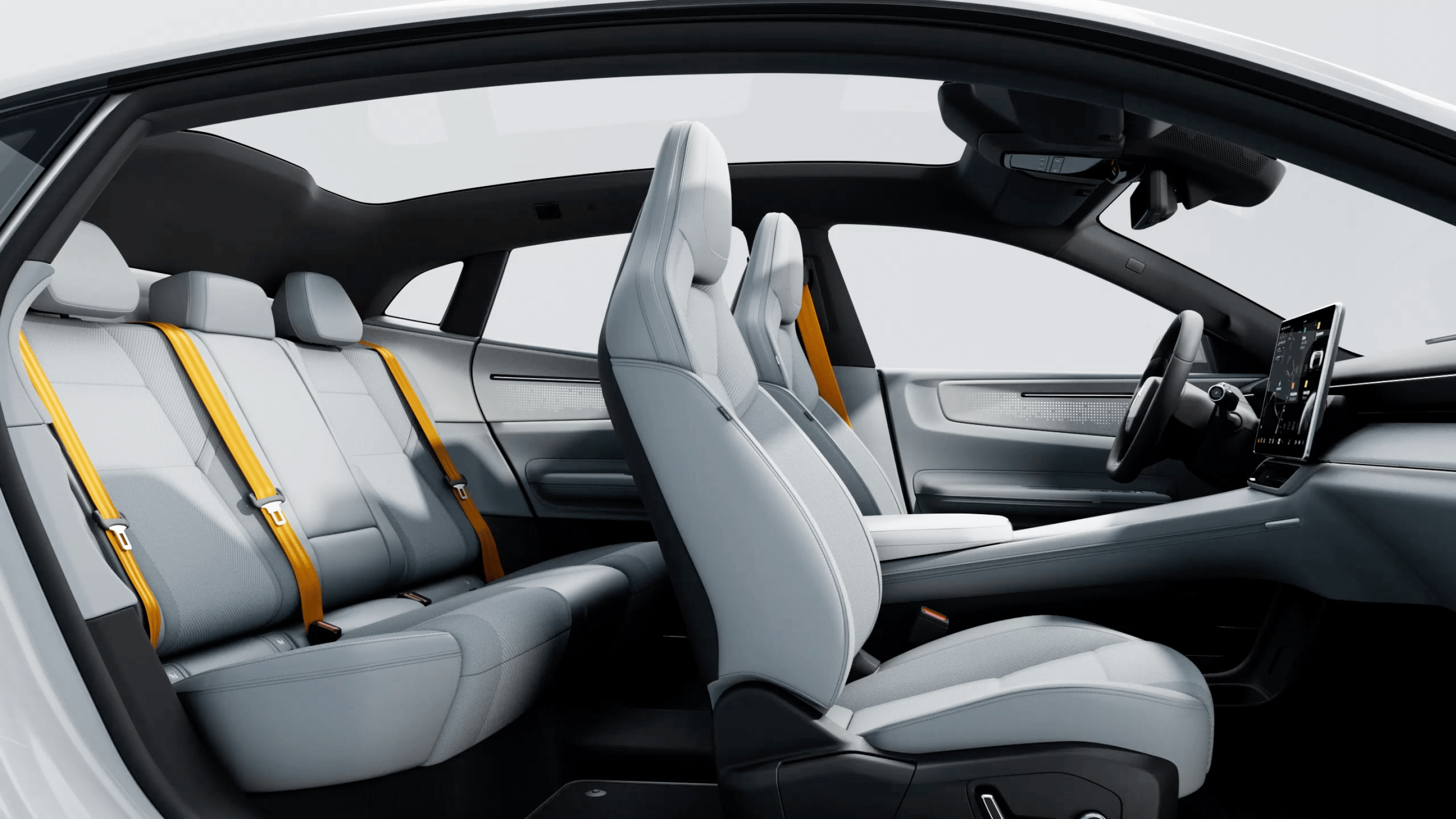
The Polestar 4 is a coupe-SUV-saloon hybrid with no rear window, a 100kWh-class battery and up to 385 miles WLTP from the Long Range Single Motor; Carwow rates it 8/10 and praises cabin and refinement while flagging the touchscreen-everything UX. Built in China by Geely-owned Polestar; UK from around £59,990 OTR in May 2026.
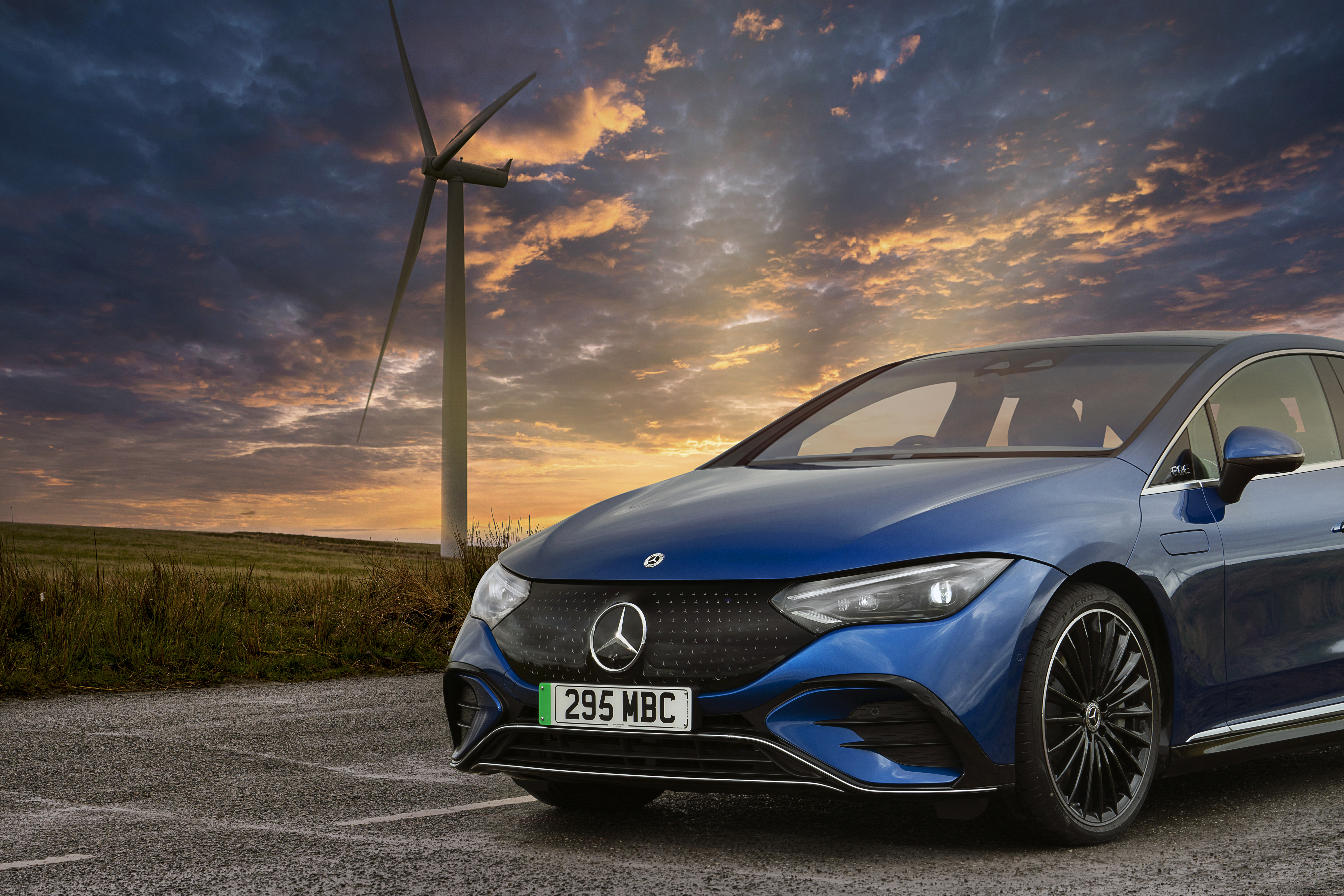
The Mercedes-Benz EQE saloon is the EV cousin of the E-Class – a proper executive four-door with the long-range 350+ rated at up to 431 miles WLTP, AMG Line from roughly £74,500 OTR, 170kW DC peak. What Car praises the striking interior and supportive front seats but flags rear headroom and patchy material quality on detail items.

BIK + P11D + 4-year tax math compared
HMRC’s BIK percentages for zero-emission cars from 2026-27: 4%, then 5%, 7% and 9% out to 2029-30. Both cars are pure BEVs, so the percentage is identical – only the P11D varies.
Polestar 4 LR SM at P11D £59,990: 4% × £59,990 = £2,400 of benefit; a 40% taxpayer pays £960 of income tax, or £80 a month. EQE 300 AMG Line at P11D £74,500: £2,980 of benefit, £1,192 of tax, £99 a month. The BIK gap alone is modest – about £19/mo – because the rate is so low. The real money sits in the gross sacrifice, roughly £200-£300/mo higher on the EQE. Over four years that’s £10,000-£14,000 more in total gross sacrifice, even after the small BIK gap.
WLTP vs real-world range (and what UK winter does to each)
WLTP figures flatter both cars, but the Polestar 4 is the closer match. Carwow’s test of the LR Single Motor returned 333 miles against 385-mile WLTP – around 90%. The EQE 300 (376-380 mile WLTP on 19in wheels) returned ~300 miles in Carwow’s long motorway test, around 80% of WLTP. The EQE 350+ tops out at 431 miles WLTP, but What Car expects “well over 300 miles” in real life – putting it broadly level with the Polestar 4 LR SM.
UK winter is the leveller. Expect both cars to surrender 20-30% of real-world range on a 0-5°C motorway run with heating on – around 230-260 miles in the Polestar 4 LR SM and 240-290 miles in the EQE depending on trim. Neither will strand you on a 200-mile motorway leg; both need a stop on 280-mile cross-country runs in February.
Charging and the Octopus Energy / sal-sac stack
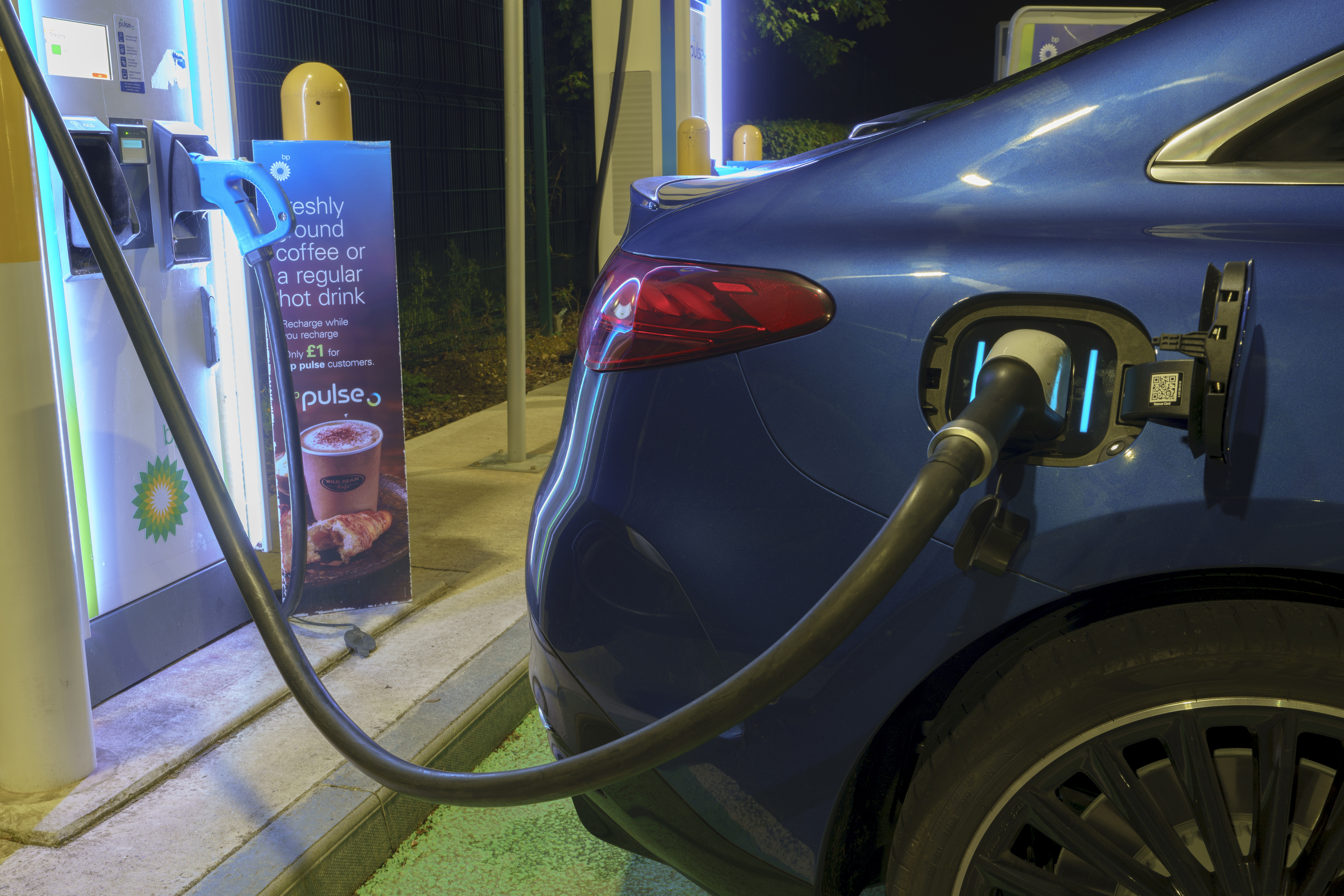
The Polestar 4 peaks at 200kW DC (Polestar quotes 10-80% in around 30 minutes), the EQE at 170kW (What Car cites a 31-minute 10-80%). On the 150-300kW Instavolt, Gridserve and BP Pulse units you’ll actually find on UK motorways in 2026, both cars stop for a similar 25-35 minutes.
Where sal-sac changes the equation is at home. Both Octopus EV and Loveelectric pair their schemes with Octopus Energy’s Intelligent Octopus Go tariff, which on 25 May 2026 prices off-peak overnight EV charging at roughly 7p/kWh. Charging a Polestar 4 from 20-80% (about 60kWh) overnight costs around £4.20 for ~230 real-world miles – under 2p/mile. The EQE on the same tariff is around £4.50 for 240 miles. Both schemes treat home-charging hardware as a separate benefit; Octopus EV bundles an installation option.
Family practicality: boot, cabin, ride comfort
Boot space is the biggest practical gap. Carwow quotes the Polestar 4 at 526 litres seats up (plus 30L underfloor and a 15L frunk); the EQE saloon offers 430 litres and the fixed rear window means no hatchback flexibility. If you’re carrying a buggy plus a weekly shop, the Polestar wins.
Cabin refinement is where the EQE pulls back. What Car praises the striking interior and supportive front seats; Carwow notes the Polestar 4’s frustrating touchscreen-only controls (mirror adjustment, glovebox release) and a ride that hints at “sporty character rather than pure luxury comfort.” Rear-seat comfort is mixed in both – the Polestar 4 trades on its coupe roofline, the EQE on a low-seating bolt-upright rear bench that Carwow and What Car both flag for taller adults.
Which sal-sac scheme actually lets you order each car
Loveelectric publicly lists the Polestar 4 (including an Estate variant) and a full set of Mercedes EQE saloon trims in May 2026. Octopus EV features Polestar 2 and Polestar 3 prominently, with Polestar 4 quoteable via its 2026 calculator – check with your scheme administrator because Octopus EV rotates its featured list. The EQE 300 and 350+ are widely available across UK providers; the AMG EQE 53 is on Loveelectric but tends to disappear from Octopus EV’s quoted list because of its higher P11D. One note: in December 2025, Perkbox announced its intention to acquire Loveelectric – a 4-year contract signed in 2026 will run through the integration, which is a continuity question to raise with HR.
Side-by-side: specs and tax math
| Spec | Polestar 4 Long Range Single Motor | Mercedes EQE 300 AMG Line |
|---|---|---|
| P11D (May 2026, manufacturer OTR) | £59,990 | £74,500 |
| WLTP range | 385 miles | 376-380 miles (19in wheels) |
| Real-world test (Carwow) | 333 miles (~90% of WLTP) | ~300 miles (long motorway test) |
| Max DC charge | 200kW | 170kW |
| Boot (seats up) | 526 litres (+30L underfloor, +15L frunk) | 430 litres |
| BIK 2026-27 (4% × P11D) | £2,400 / year | £2,980 / year |
| 40% taxpayer monthly BIK tax | £80 / month | £99 / month |
| Sample gross monthly sacrifice (4yr / 10k via Octopus EV / Loveelectric) | £1,030-£1,170 | £1,300-£1,500 |
| Approximate net monthly cost (40% taxpayer) | £620-£700 | £780-£900 |
Our take
If you’re a 40% UK taxpayer and the deciding number is the net monthly hit to your payslip, the Polestar 4 Long Range Single Motor is the smart sal-sac pick in 2026. It’s around £150-£200 a month cheaper net than an EQE 300 AMG Line on a like-for-like 4-year, 10,000-mile quote, returns roughly the same real-world range, and has a properly useful 526-litre boot. Both manufacturers offer three years on the car and eight years on the battery.
If you want Mercedes-saloon cabin presence, AMG Line sport detailing, and the option of stretching to the 350+ for its 431-mile WLTP, the EQE is the rational stretch. Go in clear-eyed: the net monthly delta is around £100-£200 – a household decision, not a tax decision. Both cars qualify for the same low BIK; pick on cost, range and brand fit.
FAQ: Polestar 4 vs Mercedes EQE on salary sacrifice
Is the Polestar 4 cheaper per month than the Mercedes EQE on salary sacrifice?
Yes – on a 4-year / 10,000-mile UK sal-sac quote in May 2026, the Polestar 4 Long Range Single Motor is about £150-£200 a month cheaper net than an EQE 300 AMG Line for a 40% taxpayer. The gap is driven by P11D (around £59,990 versus £74,500) because both cars sit in the same 4% BIK band in 2026-27. Get a personalised quote from your scheme provider (Octopus EV, Loveelectric, Tusker) because employer markup varies.
What is the BIK on a Polestar 4 vs Mercedes EQE in 2026-27?
HMRC’s company-car BIK for zero-emission cars in 2026-27 is 4% of P11D. On a £59,990 Polestar 4 LR Single Motor that’s £2,400 of benefit; a 40% taxpayer pays £960 of income tax, or £80 a month. On a £74,500 EQE 300 AMG Line that’s £2,980 of benefit and £1,192 of tax, or £99 a month. The rate rises to 5% in 2027-28, 7% in 2028-29 and 9% in 2029-30, so build that into a 4-year affordability calc.
Which has the longer real-world range, Polestar 4 or EQE?
It depends on trim. The Polestar 4 LR SM returned 333 miles in Carwow’s real-world test against 385-mile WLTP (about 90%). The EQE 300 achieved roughly 300 miles in Carwow’s long motorway test against 376-380 mile WLTP. The EQE 350+’s 431-mile WLTP is the longest on paper, but What Car expects “well over 300 miles” in real life – putting it broadly level with the Polestar 4 LR SM.
Can I get a Polestar 4 on Octopus EV salary sacrifice?
Octopus EV’s public marketing in May 2026 highlights Polestar 2 and Polestar 3, with Polestar 4 quoteable via its calculator. Availability rotates and depends on Polestar UK stock and your employer’s scheme. Ask your scheme administrator to run a Polestar 4 quote alongside an EQE quote on identical 4-year / 10,000-mile terms – if Octopus EV won’t quote, Loveelectric publicly lists the Polestar 4 (including an estate variant).
Is the Mercedes EQE 300 the best EQE for sal-sac?
For sal-sac, yes. The EQE 300 AMG Line is the lowest-P11D way in (around £74,500 OTR), keeping both the gross sacrifice and the BIK tax bill low. The 350+ stretches WLTP to 431 miles but pushes P11D to £80,000-£85,000, adding roughly £25-£35 a month of BIK plus £150-£250 a month of gross sacrifice. Unless you regularly do 300-mile motorway days, the 300 AMG Line is the sweet spot.
Related reading
- Company car tax 2026-27 in the UK: the EV BIK schedule – the full HMRC table out to 2029-30 and what it means for a 4-year sal-sac.
- PCP vs HP in the UK in 2026 – the alternative if sal-sac is not on offer at your employer.
- UK GAP insurance after the FCA pause lifted in 2026 – whether you need it on a sal-sac car.
- Best electric SUV under £30k in the UK in 2026 – the cash-buy alternative for non-sal-sac households.
- All CDE EV coverage.
Buyer action
EV and salary-sacrifice checks
Use this as the final check before paying a deposit, signing finance paperwork or relying on a headline monthly figure.