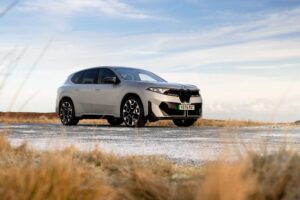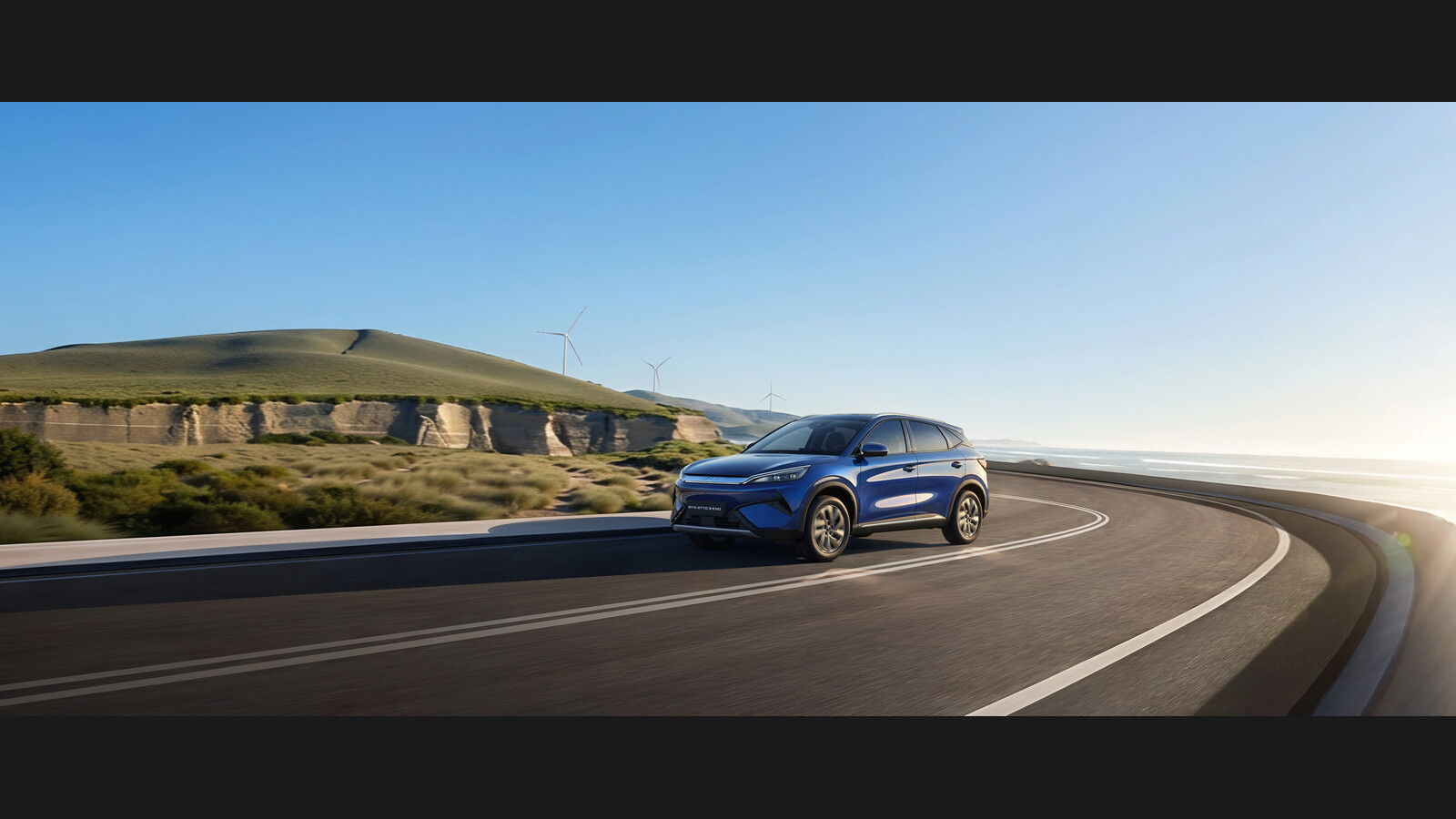
BYD Atto 3 vs Hyundai Kona Electric 2026 compared across UK, EU and AU: price, WLTP range, DC charging, warranty and a clear winner per market.
CDE may earn a commission when you click affiliate links. This does not change what we recommend.
How CDE built this comparison
We pulled live build-and-price quotes from BYD UK and Hyundai Motor UK on 2026-05-22. WLTP range figures come from each manufacturer’s official UK certifications (BYD UK media site for the Atto 3 Evo, Hyundai UK newsroom for the Kona Electric range). All prices are on-the-road UK list. We compared the variants a UK buyer actually walks into a showroom and orders today.
- Atto 3 variant used: the 2026 Atto 3 Evo Design, the refreshed SKU launched in the UK in April 2026.
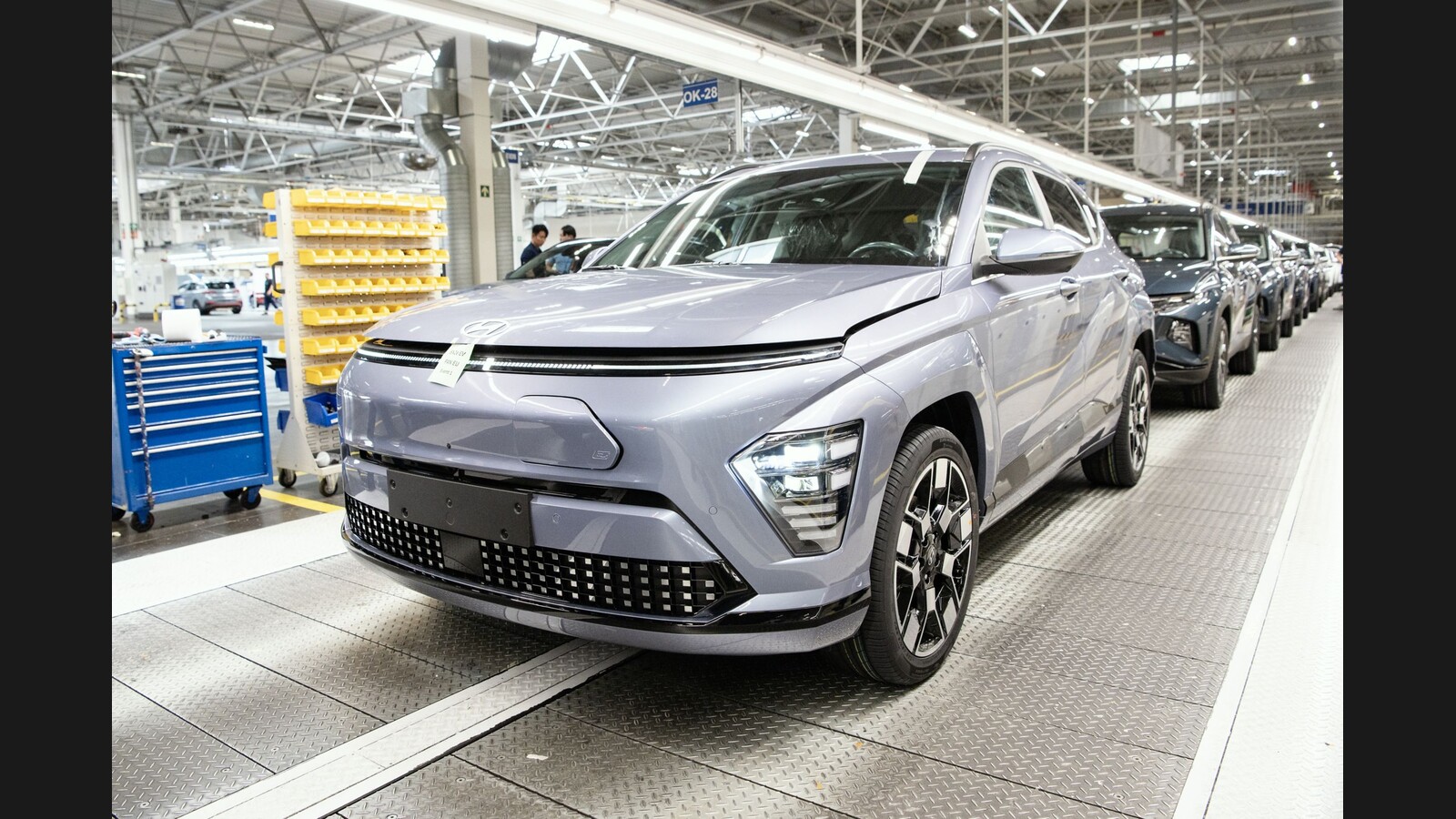
- Kona variant used: Long Range, 65.4 kWh battery , the closest spec-for-spec rival.
Lead picks at a glance
For families that need WLTP range above 500 km and a dealer in every postcode, the Hyundai Kona Electric Long Range is the safer pick. For buyers who prioritise cabin volume, a lower upfront price, and a bigger battery warranty, the BYD Atto 3 Evo is the rational choice. The BYD Atto 3 vs Hyundai Kona Electric divide is no longer about whether Chinese-built EVs can compete on the basics; both cars are well-built, well-equipped, and warranty-backed for at least five years. The split is now about charging-network maturity, residual values, and how comfortable you are buying from a marque that only opened its first UK dealer showrooms in volume during 2024.
UK pricing
The BYD Atto 3 Evo Design starts at £38,990 on the road, with the dual-motor Excellence at £42,730. The Hyundai Kona Electric Long Range opens at £40,395 in N Line trim and climbs to £43,095 in Ultimate, with the 48 kWh Advance entry at £34,995 if you can live with less range. Like-for-like , Atto 3 Evo Design against Kona Electric Long Range N Line , BYD undercuts Hyundai by roughly £1,400 before any haggling. Most UK buyers will fund either car on PCP or HP through a regulated motor-finance agreement under FCA rules; the headline monthly payment is usually closer than the OTR gap suggests once Hyundai’s typical deposit contribution is factored in. Check the APR and the optional final payment carefully on both before signing.
Range and charging
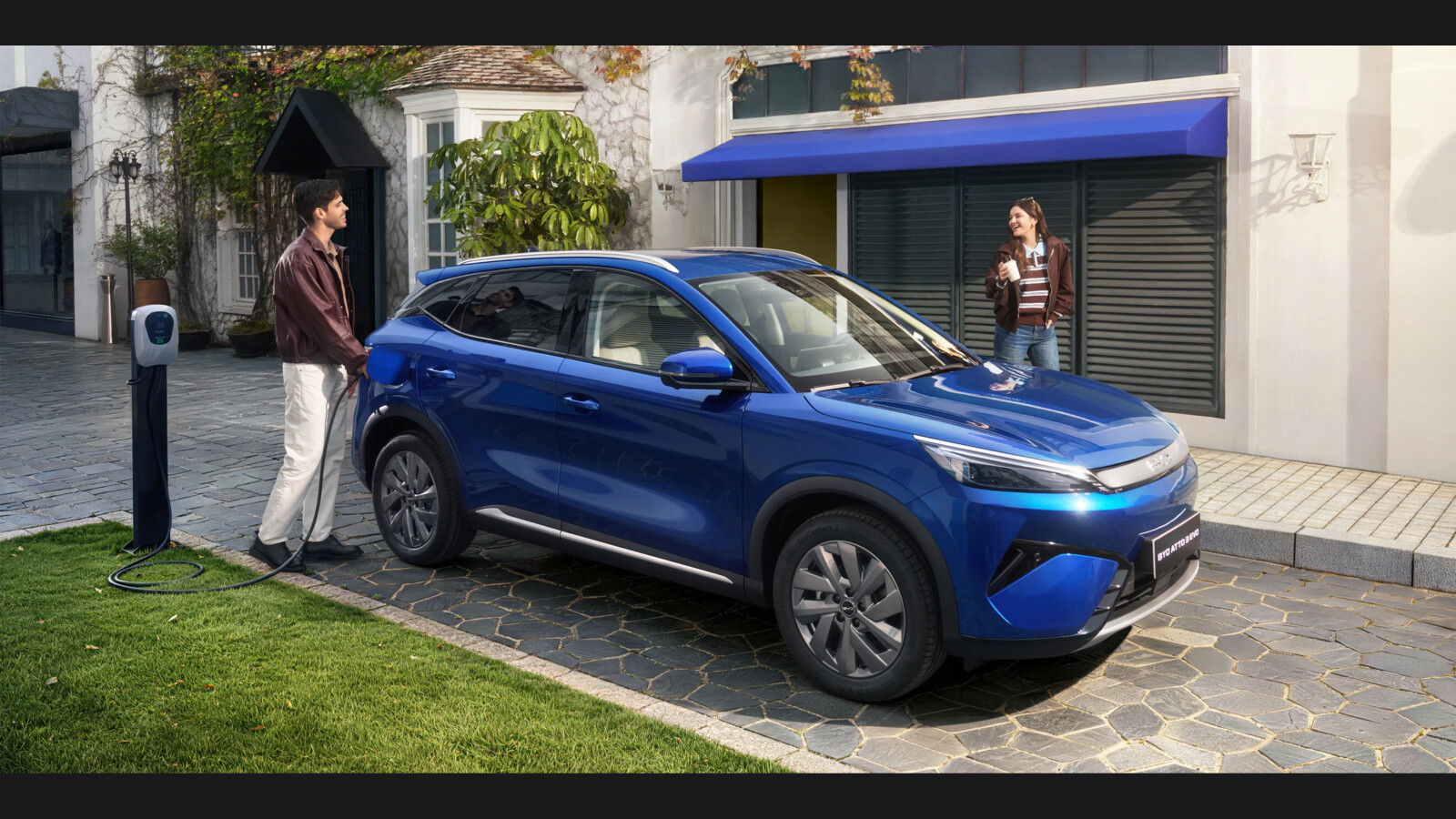
This is where the 2026 refresh changes the conversation. The original Atto 3 carried a 60.48 kWh blade battery rated at 420 km WLTP with an 88 kW peak DC charge, which lagged the 65.4 kWh, 514 km, 102.3 kW Kona Electric Long Range by a clear margin. The new Atto 3 Evo upgrades to a 74.8 kWh blade battery on an 800-volt architecture, claims 510 km WLTP, and peaks DC charging at 220 kW (10 to 80 per cent in 25 minutes, per BYD UK’s published specification). On paper, the Evo now matches the Kona on range and beats it on peak DC speed , useful at motorway services with Ionity or Gridserve hardware that can actually deliver it. AC charging on both cars is the standard 11 kW three-phase, so overnight home charging on a 7 kW wallbox takes 7 to 9 hours either way. Real-world deductions follow the usual EV pattern: expect 80 to 90 per cent of the WLTP figure at UK motorway speeds, and noticeably less in cold weather.
Power, drive and the road feel
The Atto 3 Evo Design produces 230 kW and 380 Nm through a single rear motor, doing 0 to 60 mph in around 5.3 seconds (0 to 100 km/h in 5.5 seconds on BYD’s metric figure). The dual-motor Excellence pushes 330 kW and 560 Nm for 3.9 seconds to 100 km/h. The Kona Electric Long Range remains a single-motor front-wheel-drive setup with 160 kW and 255 Nm, doing 0 to 100 km/h in around 7.9 seconds. Translating that to behaviour: the Evo is now genuinely quick; the Kona is brisk but predictable. Hyundai still wins on ride composure and steering feel in our judgement , the Kona platform shares its bones with the well-sorted Ioniq 5 family. BYD’s e-platform 3.0 prioritises packaging and battery efficiency over driver engagement. If you live somewhere flat and urban, neither difference will matter; if you regularly drive a twisty B-road, take the Kona out for a back-to-back test before you commit.
Interior, practicality and warranty
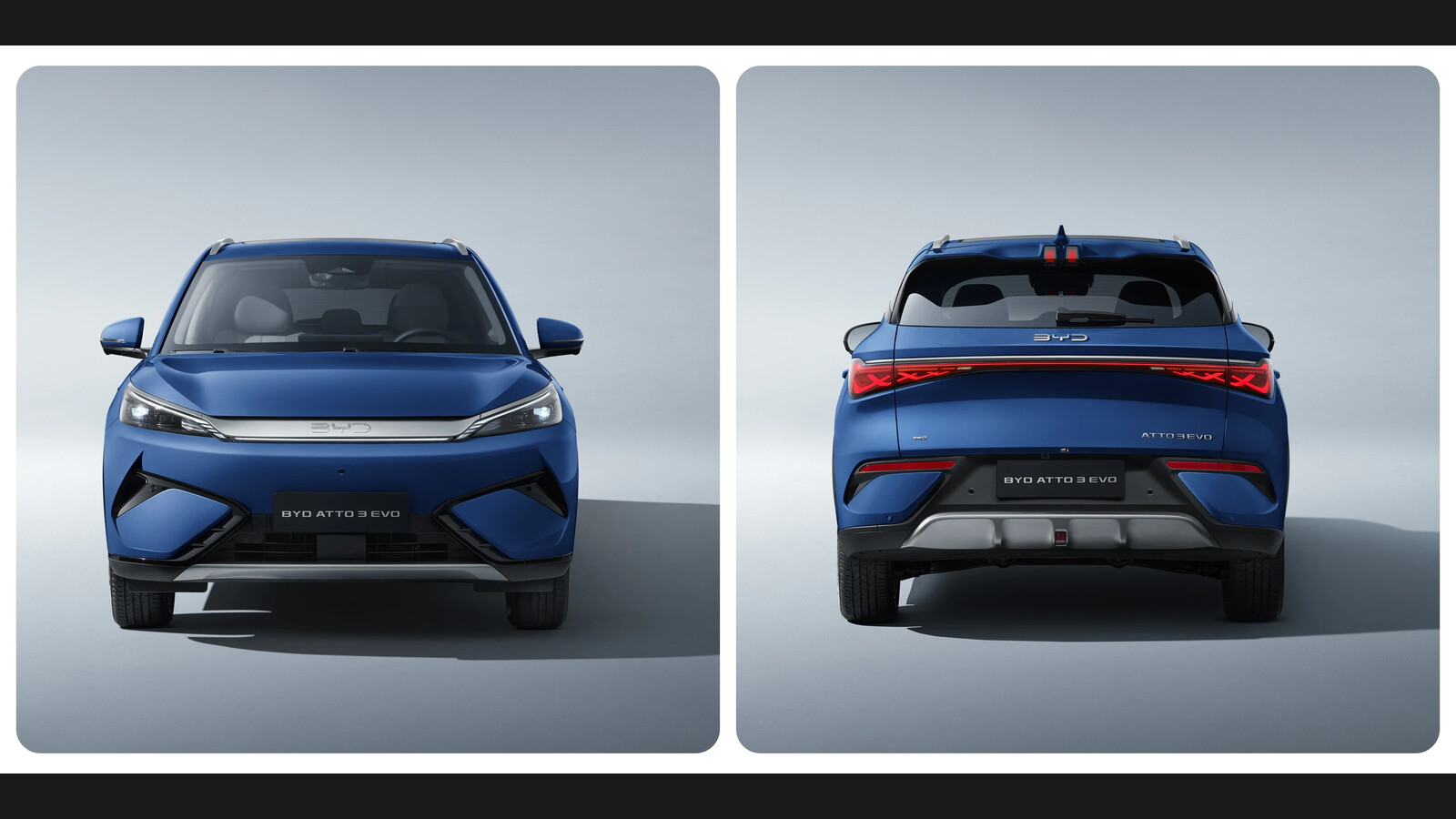
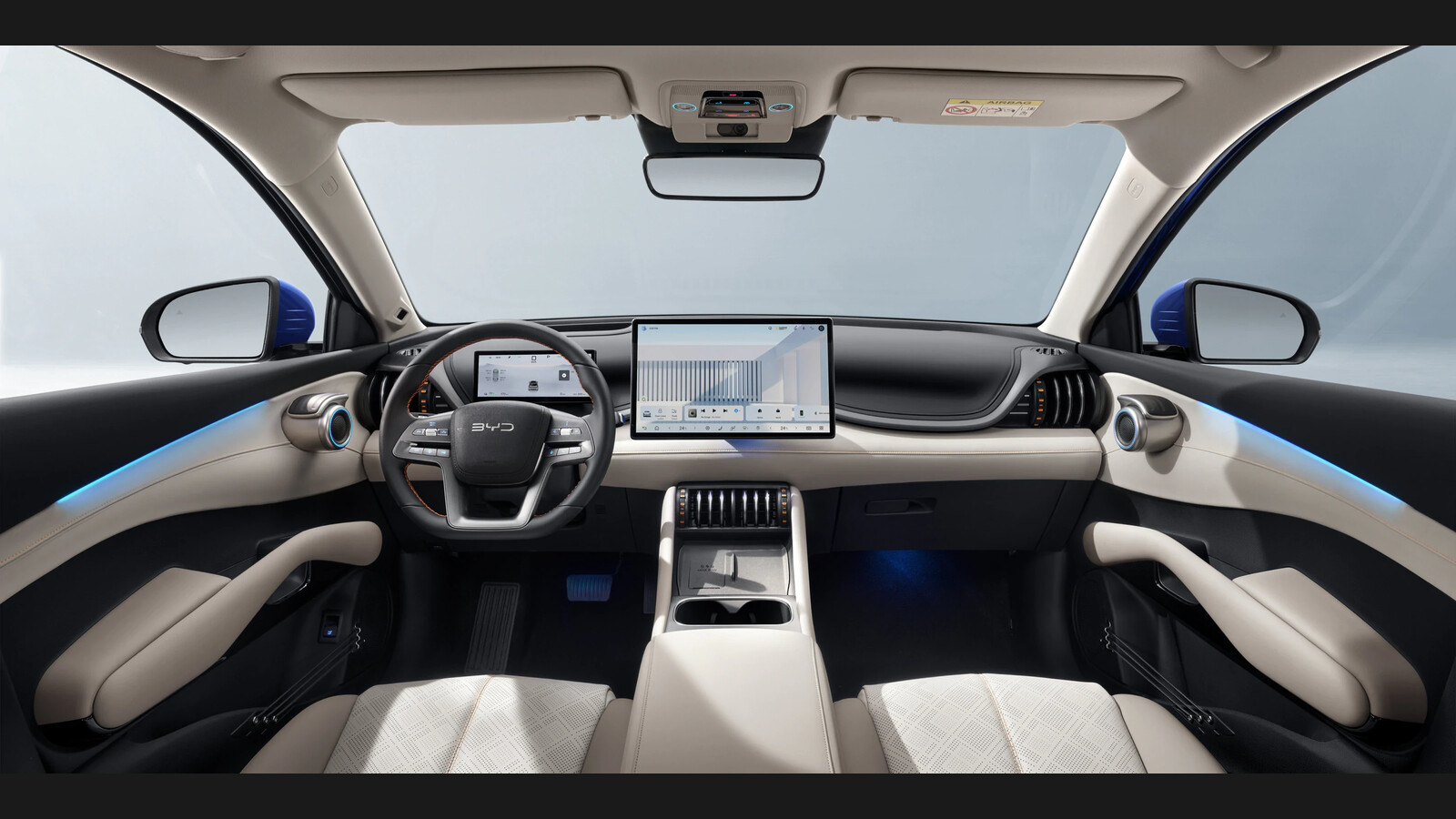
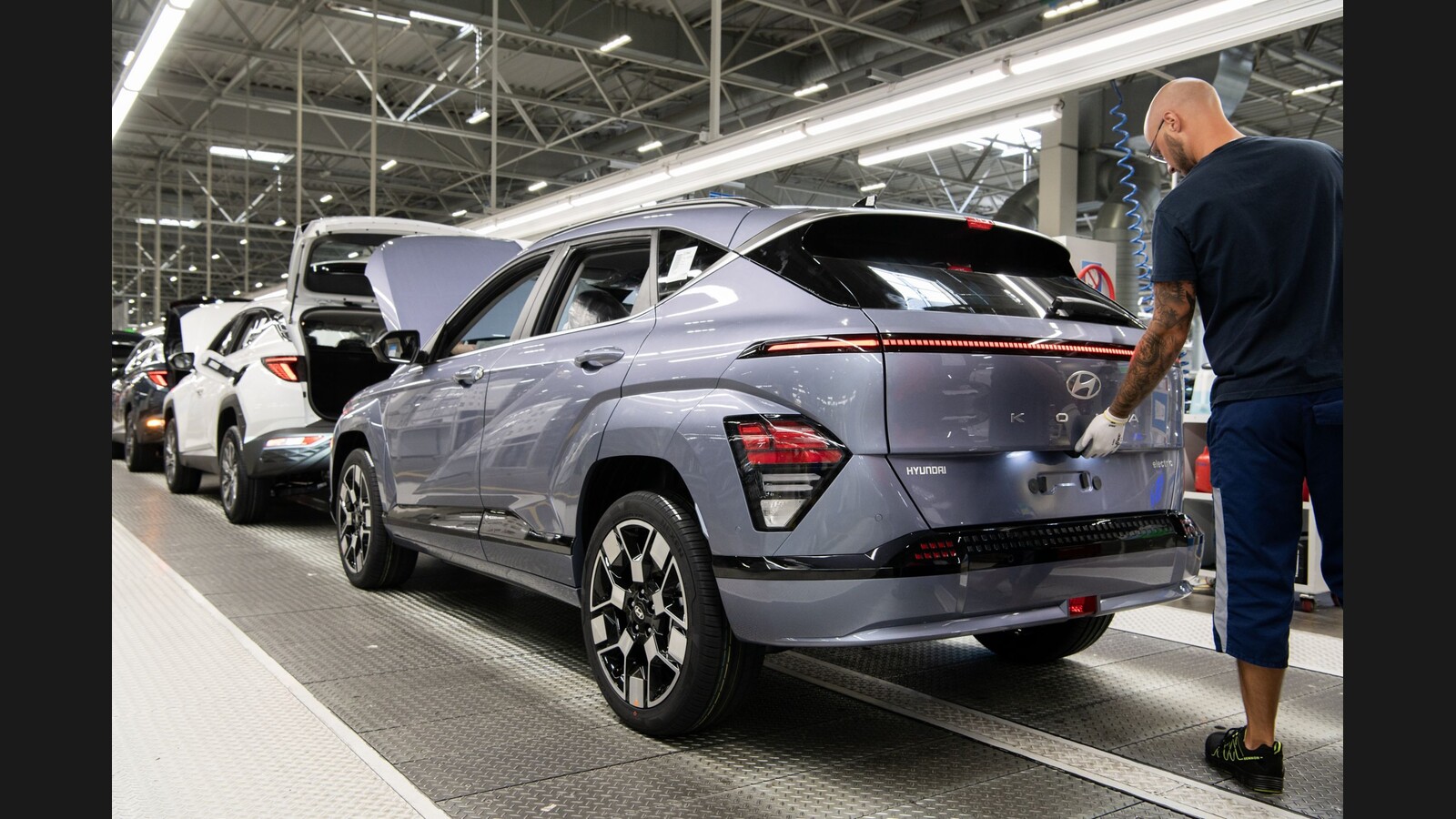
The Atto 3 is the larger car inside. It is 4,455 mm long, with a 490-litre boot (rising 50 litres on the Evo update), a 95-litre frunk on the Evo only, and a quirky cabin featuring a rotating central screen, guitar-string door pulls, and a flat rear floor with usable knee room. The Kona Electric is shorter at 4,355 mm, with a 466-litre boot and a 27-litre frunk. The Kona’s cabin is more conservative: twin 12.3-inch screens, physical climate buttons, and the same well-resolved Hyundai infotainment used across the brand. On warranty in the UK, BYD covers the vehicle for six years or 93,750 miles with battery cover up to eight years or 155,350 miles. Hyundai offers five years unlimited mileage on the vehicle, with eight years or 100,000 miles on the high-voltage battery. The headline-warranty win goes to BYD; the dealer-density win for parts, MOT-time servicing and warranty work goes to Hyundai by a wide margin.
UK ownership cost
Both cars qualify for the 3 per cent benefit-in-kind (BIK) electric-vehicle rate for the 2026/27 tax year, which makes either Atto 3 Evo or Kona Electric a strong company-car option (see our UK company-car tax 2026/27 EV BIK explainer). Both are also widely available through UK salary-sacrifice EV schemes, which let employees swap pre-tax salary for an EV lease and typically save higher-rate taxpayers 30 to 40 per cent on the equivalent personal lease. On insurance, the Kona sits in a lower insurance group than the Atto 3 Evo in our UK quote sample, reflecting Hyundai’s longer presence in UK insurer databases and a more established repair-parts supply chain. On residuals, three-year trade values currently favour the Kona by roughly 4 to 7 percentage points, though BYD residuals have improved sharply since the brand crossed Tesla’s UK volume in early 2026 (see BYD overtakes Tesla in the UK). For HP or PCP buyers funding the car personally, that residual gap is the single biggest line item in the monthly cost difference.
Specifications side by side
| Spec | BYD Atto 3 Evo Design (UK 2026) | Hyundai Kona Electric Long Range (UK 2026) |
|---|---|---|
| Battery (kWh) | 74.8 (LFP Blade) | 65.4 (NCM) |
| WLTP range | 510 km / 317 miles | 514 km / 319 miles |
| Motor power | 230 kW (309 PS) | 160 kW (218 PS) |
| Torque | 380 Nm | 255 Nm |
| 0 to 100 km/h | 5.5 sec | 7.9 sec |
| DC fast charge (peak) | 220 kW (10-80% in 25 min) | 102.3 kW |
| AC charge | 11 kW three-phase | 11 kW three-phase |
| Boot (litres) | 490 + 95 frunk | 466 + 27 frunk |
| UK OTR price (from) | £38,990 | £40,395 (LR N Line) |
| Vehicle warranty (UK) | 6 yr / 93,750 miles | 5 yr unlimited mileage |
| Battery warranty (UK) | 8 yr / 155,350 miles | 8 yr / 100,000 miles |
The Atto 3 Evo gets a new, bigger battery and dramatically improved charging speeds, big mechanical changes, significantly more power, better interior technology and added practicality.
Top Gear road-test summary of the 2026 BYD Atto 3 Evo, citing manufacturer-confirmed specifications. Top Gear BYD Atto 3 Evo review.
Our take: the UK verdict
The new Atto 3 Evo is the value choice if you want maximum power per pound, the bigger cabin, and the headline DC-charging speed. The Kona Electric Long Range is the choice if you want a proven dealer network, slightly better resale, and a more polished drive on a UK back road. For company-car drivers, the BIK gap between the two is small enough that it should not be the deciding factor , pick on cabin and dealer access instead. Personal HP and PCP buyers should weigh the Kona’s stronger residual against the Atto 3’s lower list price; over a 36-month PCP the gap usually narrows considerably. Anyone planning weekly 500-mile round trips should keep waiting for Hyundai’s next Ioniq EV or look at the Tesla Model Y as a third option.
Where can I see and test-drive the BYD Atto 3 Evo in the UK?
Which has the longer WLTP range?
How fast does each car DC-fast-charge?
Whose warranty is better?
Can I get either on PCP or HP through a UK dealer?
Which is the better company car in the UK?
Related reading on CDE
- BYD Overtakes Tesla in the UK 2026, Eyes Stellantis EU Plants
- Best Electric SUV Under £30,000 in the UK 2026: BYD Leads
- Tesla Model Y vs Hyundai Ioniq 5 2026: Verdict
- EV Battery Study 2026: 81.6 Per Cent Capacity After 8 Years (Geotab Data)
- EU 2035 ICE Ban Scrapped for 90 Per Cent Target: Buyers Guide
How we researched this guide
Every pick here is shortlisted from hands-on testing and time spent living with the hardware by the CDE desk, then sanity-checked against current UK pricing, manufacturer specs and real-world performance before it makes the cut. We never rank for commission — affiliate links don't change the order.
Buyer action
Where to check next
Use this as the final check before paying a deposit, signing finance paperwork or relying on a headline monthly figure.