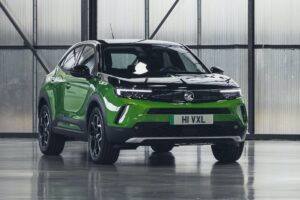
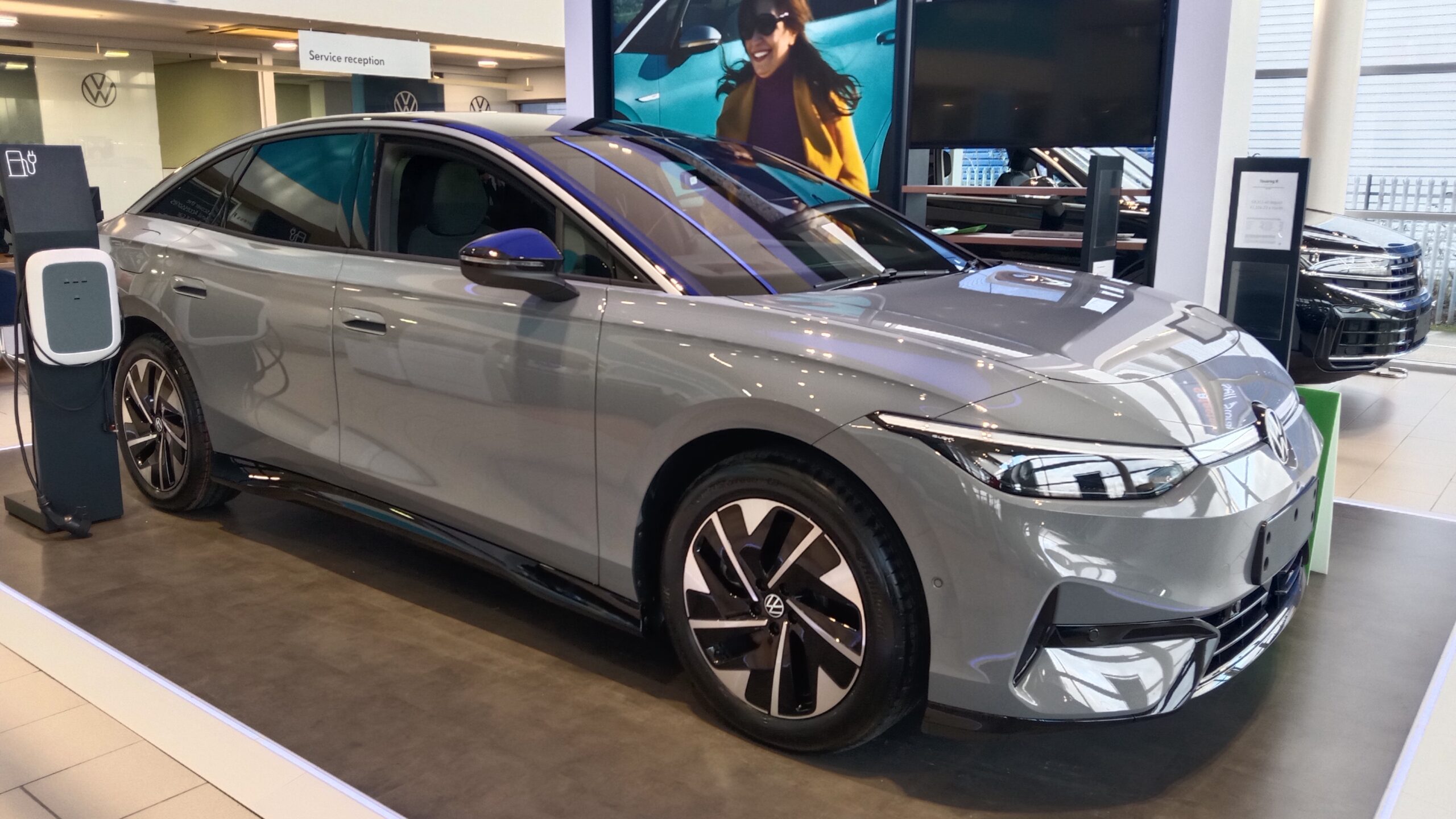
Stellantis Volkswagen EU 2035 split: VW calls Brussels softer CO2 package pragmatic, Stellantis says it fails the light commercial vehicle segment.
CDE may earn a commission when you click affiliate links. This does not change what we recommend.
What the EU actually changed in December 2025
The European Commission’s December 2025 package, still in trilogue as of 2026-05-23, swaps the headline 2035 100% zero-tailpipe target for a 90% fleet-wide CO2 reduction by 2035, with the remaining 10% offsettable via certified low-carbon steel produced in the EU or via sustainable e-fuels and biofuels (per Automotive Logistics, December 2025). Plug-in hybrids, extended-range EVs and small ICE cars built in the EU are explicitly back inside the transitional envelope, with super-credits available for affordable small electric cars produced in member states. The UK is outside the EU regime but operates its own ZEV mandate with a 2035 ICE phase-out, and UK showrooms are stocked overwhelmingly by EU-built product, so the Brussels reset feeds straight into what is on UK forecourts.
This matters because it changes which propulsion bets pay off between now and 2035. PHEVs were on a 2035 cliff edge under the old text. They no longer are.
Volkswagen’s response: pragmatic and economically sound
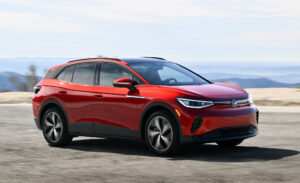
Volkswagen Group described the package as pragmatic and economically sound overall (statements compiled by Automotive News Europe, December 2025). That is consistent with VW’s product mix. The ID.3, ID.4 and ID.7 BEV lineup, plus Cupra Born, plus extensive PHEV product across Audi, Skoda, SEAT and Porsche all gain commercial runway from the PHEV reinstatement.
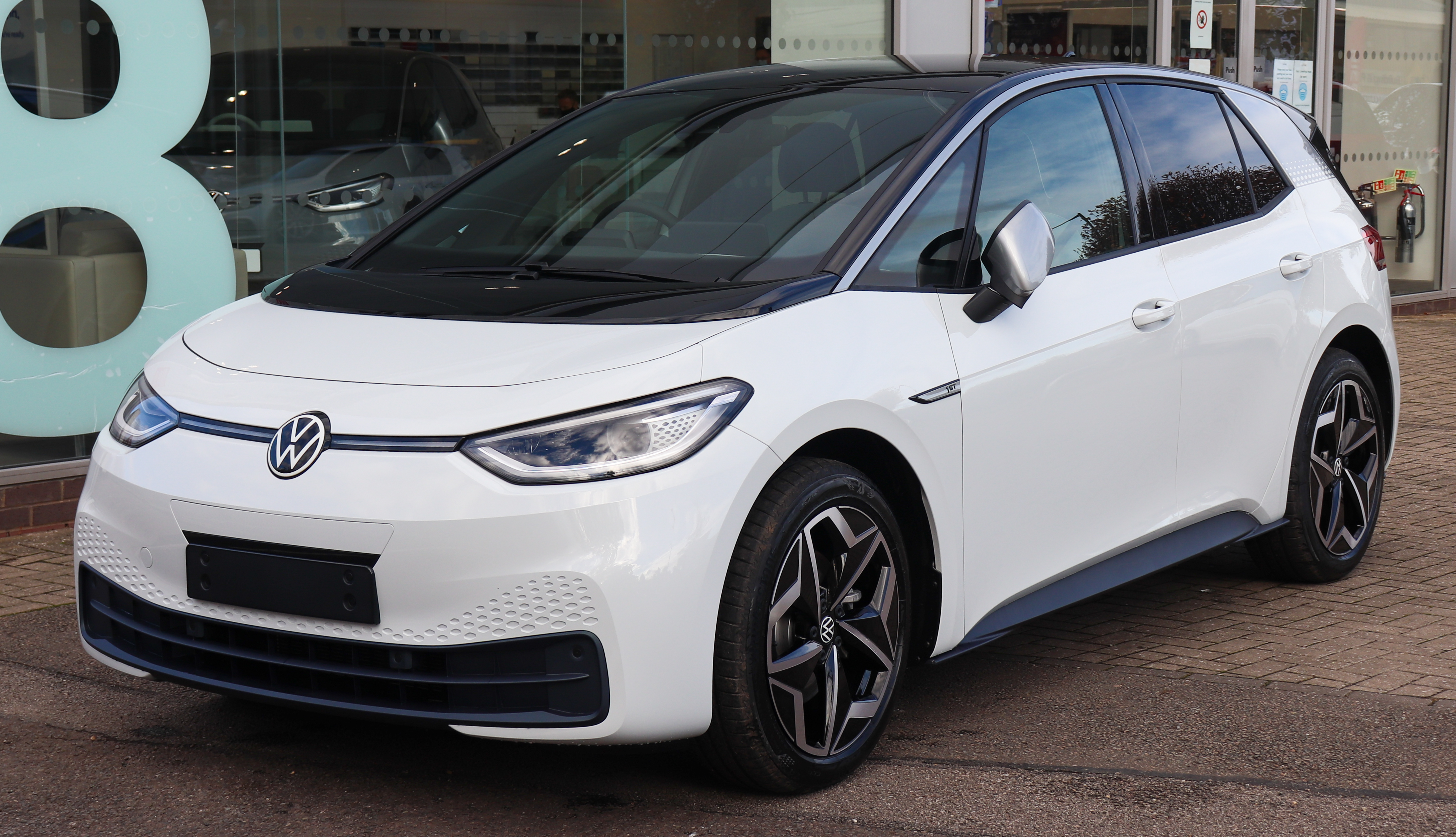
The unspoken VW logic: the group is well capitalised on BEV platforms (MEB and SSP), it has been losing money on entry-level BEVs for two years, and a stretched 2035 trajectory lets it recoup PHEV margin while it brings the next-generation small EV programme to market. The 90% target still arrives, BEVs still win, but the path is less punitive.
Stellantis’s response: the LCV problem
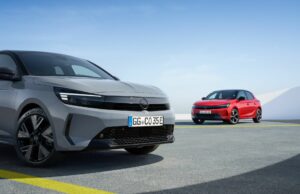
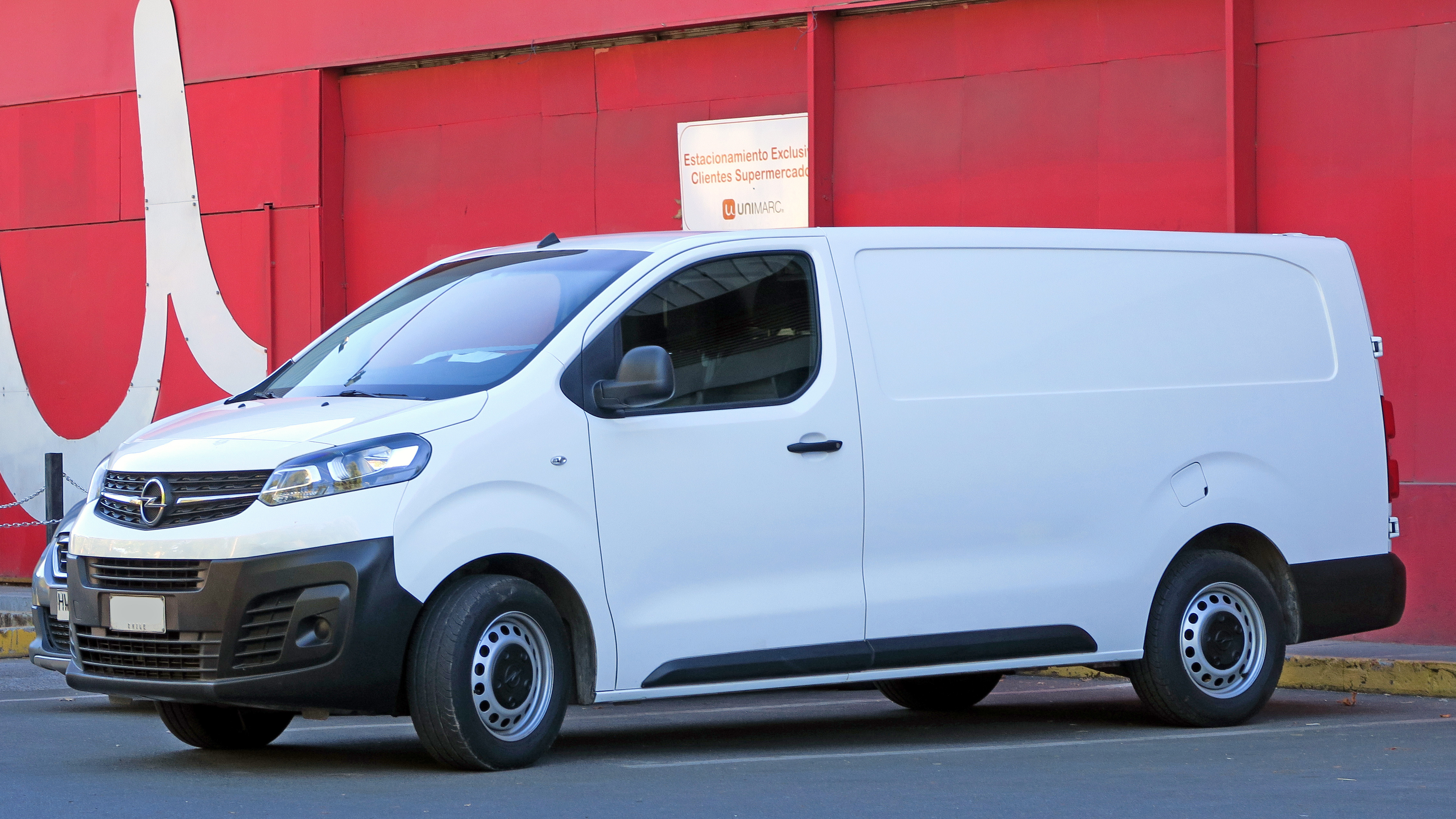
Stellantis’s statement was sharper: the proposals do not meaningfully address the issues that the industry is facing right now, and the package fails to provide a viable trajectory for the light commercial vehicles segment, which is in a critical situation (per Automotive News Europe, December 2025). That is not corporate posturing. The Stellantis LCV portfolio (Peugeot Partner and Boxer, Citroen Berlingo and Jumpy, Fiat Ducato, Vauxhall Vivaro and Vauxhall Combo) is among the largest in Europe, and Vauxhall vans in particular dominate UK fleet sales.
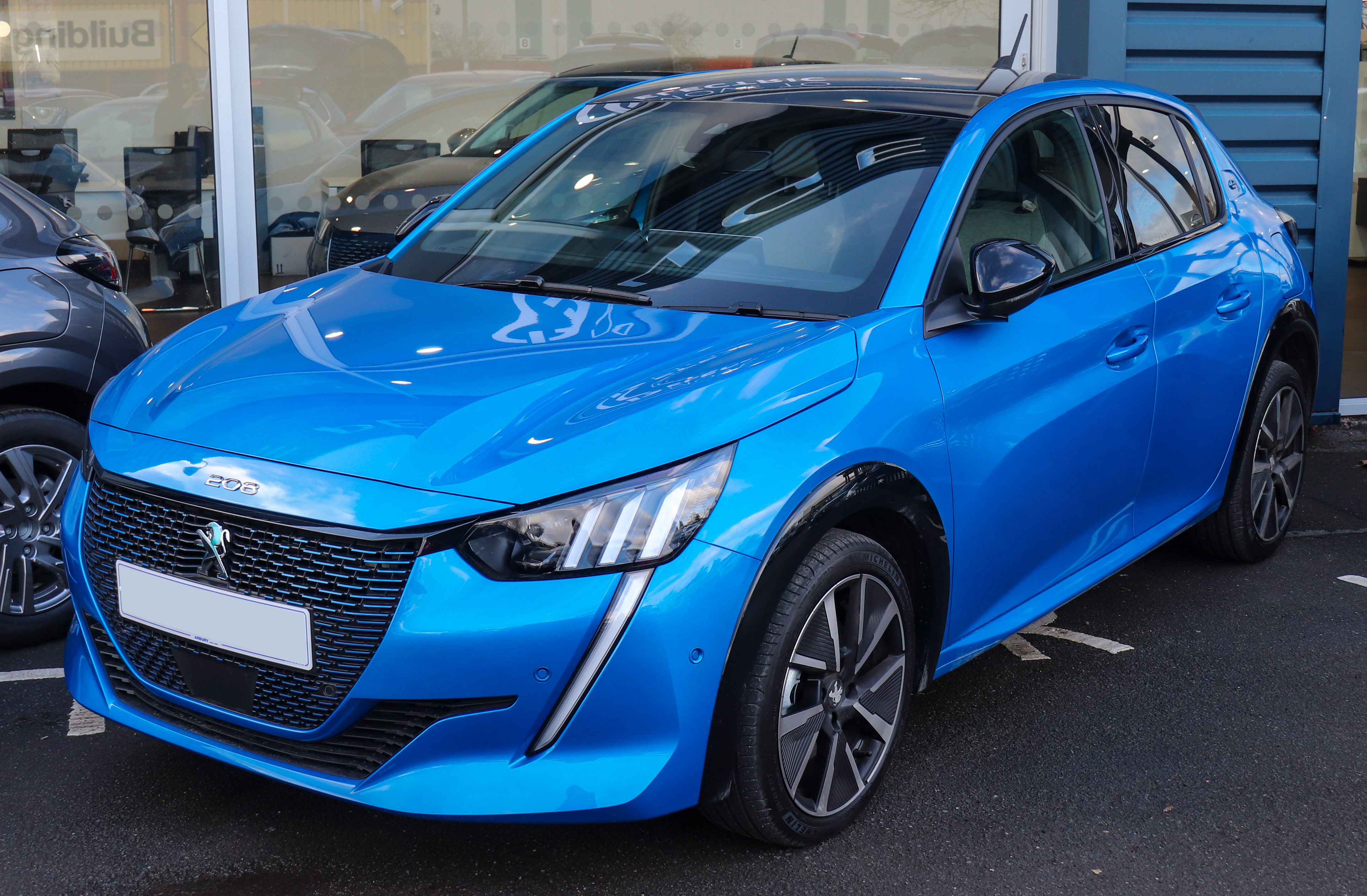
LCVs are a thinner-margin business than passenger cars. They are bought by fleets and tradespeople who care about cost per mile, not badge sentiment. The PHEV reinstatement helps passenger cars more than vans, because few mainstream vans were sold as PHEVs in the first place. So Stellantis’s read is consistent: the EU softened the rule in the segment where VW had more chips on the table, not in the segment where Stellantis lives. UK van buyers running PCP or HP through small-business finance will feel that gap most acutely.
What both companies sell, and why their incentives diverge
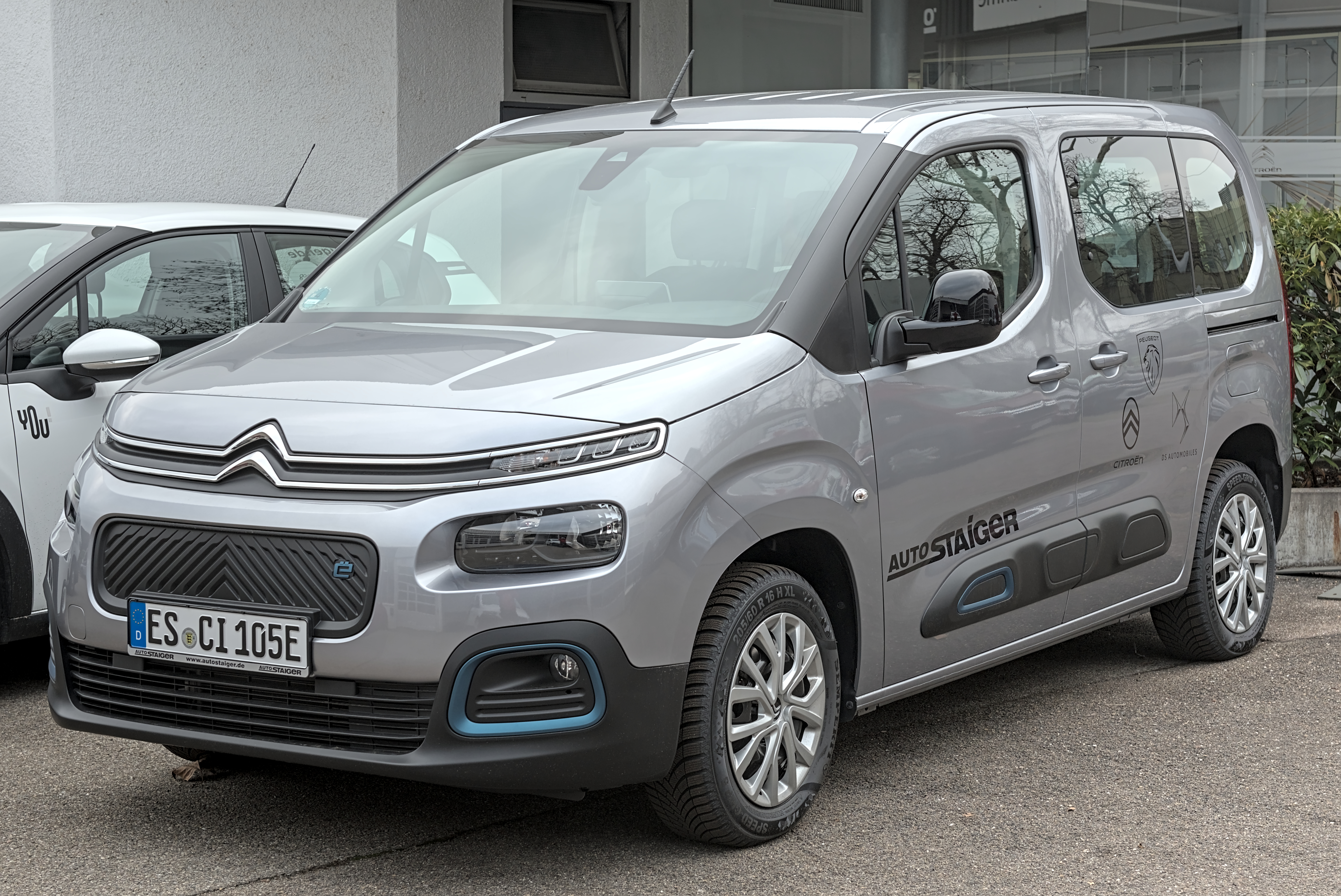
Stellantis covers 14 brands across passenger and commercial: Peugeot, Citroen, Vauxhall and Opel, Fiat, Alfa Romeo, DS, Jeep, Lancia, Maserati and the LCV nameplates. ACEA registration data through Q1 2026 puts Stellantis as the second-largest passenger car group in the EU and the single largest LCV manufacturer. Volkswagen Group covers Volkswagen, Audi, Skoda, SEAT, Cupra, Porsche, Ducati and the Traton commercial unit, but the brand mix skews more heavily to higher-margin passenger and premium product. That asymmetry, plus Stellantis’s dependency on French and Italian manufacturing footprint where the LCV plants are concentrated, is why the same regulatory file produces opposite press statements.
What this means if you are buying a car in the UK now
Three practical implications for UK buyers as of 2026-05-23. First, PHEV resale values have stopped falling. The 2035 cliff edge that was depressing three-year residuals on a Peugeot 3008 PHEV, an Audi A3 e-tron or a BMW 330e is gone, so PCP balloon assumptions can move back up and monthly figures from FCA-regulated motor finance lenders should ease. Second, BEV buyers see no change in the long-term direction: the UK ZEV mandate still tightens every year and the 2035 ICE phase-out still applies, so a new ID.7, a Renault 5 E-Tech or a Tesla Model Y is no less future-proofed than it was last year, and the BIK advantage for salary-sacrifice EV schemes remains intact. Third, EU-built small EVs are now a regulatory-favoured category. Expect more product in the £17,400 to £21,750 bracket from VW, Renault, Citroen and Fiat reaching UK showrooms over the next 18 months.
If you are weighing PHEV versus BEV right now, our broader analysis of the EV adoption slowdown in 2026 covers the residual-value mechanics that drive PCP and PCH costs.
Our take
On the Stellantis Volkswagen EU 2035 split, we think both sides are reading their own books accurately. Volkswagen is right that the 90% target with PHEV transition is the only politically deliverable answer; the original 100% rule was going to be diluted one way or another, and a structured 90% with offsets is better than a chaotic last-minute retreat. Stellantis is right that the LCV segment got nothing useful out of the package, and that the trades and fleets who buy Berlingo, Vivaro and Ducato need different cost-of-ownership economics than the families who buy ID.7. The honest verdict is that VW’s product mix benefits more in the short term, and Stellantis is going to have to argue for a separate LCV regime before the trilogue closes. For UK car buyers, the practical result is the same: BEV direction unchanged under the UK ZEV mandate, PHEV runway extended, and small EU-built EVs about to land in UK showrooms cheaper.
Has the EU scrapped the 2035 petrol and diesel car ban?
Why are Stellantis and Volkswagen reacting differently?
Is a PHEV still worth buying in 2026 after the EU softening?
Will the 90% CO2 cut still push buyers toward BEVs?
Related reading on CDE
MCDE Editorial
Buyer action
Where to check next
Use this as the final check before paying a deposit, signing finance paperwork or relying on a headline monthly figure.