The basics of an engine flush When you go in for an oil change or general tune-up, your mechanic may offer an engine flush. Engine flushes are one of those
The basics of an engine flush
When you go in for an oil change or general tune-up, your mechanic may offer an approved servicing. Engine flushes are one of those services that are offered more often than they are needed.
Basics of an engine flush
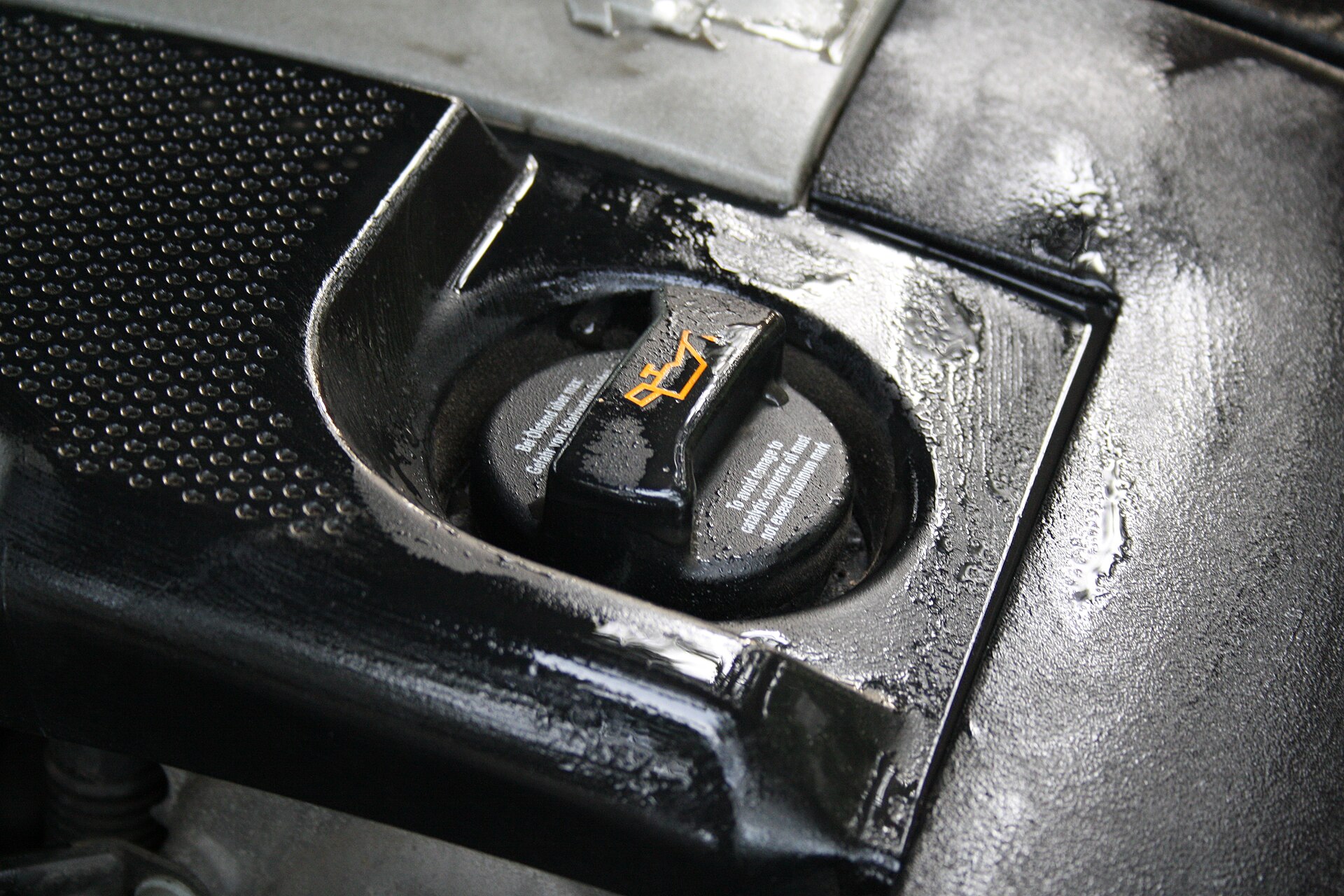
Most often, engine flushes are done with machines built specifically for that purpose. The machines pump all of the oil out of a vehicle, run a heated cleaning fluid through the system as if it were oil, and then replace it with new oil. The idea is that the heated cleaning fluid will clean out all of the gunk that has built up in the engine and help the engine run more cleanly.
Is a flush really necessary?
An engine flush can be expensive, but it sounds like it may be a good idea. The reality, however, is that engine flushes are rarely necessary. Changing your oil as often as the manufacturer recommends should keep your engine in good working order. In many modern engines, that could be as rarely as once every 7,500 miles. Check your owner’s manual and maintain your engine as the manual recommends and an engine flush should not be necessary. An engine flush may only be necessary if an engine has been significantly gunked up through improper oil usage.
Engine flushes could damage your vehicle
An engine flush can damage an otherwise healthy engine. The cleaning fluid used in many engine flushes or brake line flushes is designed for engines that are practically not running, and putting the cleaning fluid through engines that are working well can eat through gaskets and seals, and small amounts of dirt and gunk that would otherwise work themselves out through normal operation would be forced through the engine and could do damage to parts of the engine that are very expensive to replace.
MCDE Editorial
From the current CDE newsroom
 Negative equity on a premium PCP in 2026: how it happens and how to get outNegative equity traps premium car buyers fastest. We explain how it happens, how to avoid it, and the Consumer...
 PCP Early Settlement UK 2026: Halves Rule GuidePCP early settlement UK 2026: how to get a section 97 figure, use the 50% Halves Rule, and avoid voluntary sur...
 Company Car Tax 2026/27 UK Electric Vehicles: BIK Rates ExplainedCompany car tax 2026/27 UK: electric BIK rises from 3% to 4%, then 5%, 7%, 9% by 2029/30. Worked example, petr...
Buyer action
Where to check next
Use this as the final check before paying a deposit, signing finance paperwork or relying on a headline monthly figure.