I’ve spent the better part of this tax year talking company-car drivers off the ledge of a bad decision, and the question that keeps landing in my inbox is some version of: “Is the Volkswagen ID.7 actually worth doing on salary sacrifice, or am I just being seduced by a big estate with a clever badge?” So let me deal with it properly. The number that makes any of this work is the 4% Benefit-in-Kind rate HMRC sets for fully electric cars in the 2026/27 tax year (it runs from April 2026 to April 2027, and the official figure is published on gov.uk’s company car tax rates page), and it’s the single reason an EV through salary sacrifice still looks like one of the few genuine tax breaks left standing for ordinary earners. If you want to model the take-home effect against your own pay, a salary-sacrifice EV calculator will show you roughly how the deduction lands.
Why the 4% rate is doing all the heavy lifting (salary sacrifice)
Salary sacrifice is simple in principle and fiddly in practice. You give up a slice of gross pay, your employer leases the car, and because the money never lands in your pocket you don’t pay income tax or National Insurance on it. What you do pay is Benefit-in-Kind on the car itself, and for an electric car in 2026/27 that’s pegged at 4% of the P11D value. On a petrol or diesel equivalent the BiK figure is many times higher, which is precisely why nobody sane runs a combustion estate this way any more.

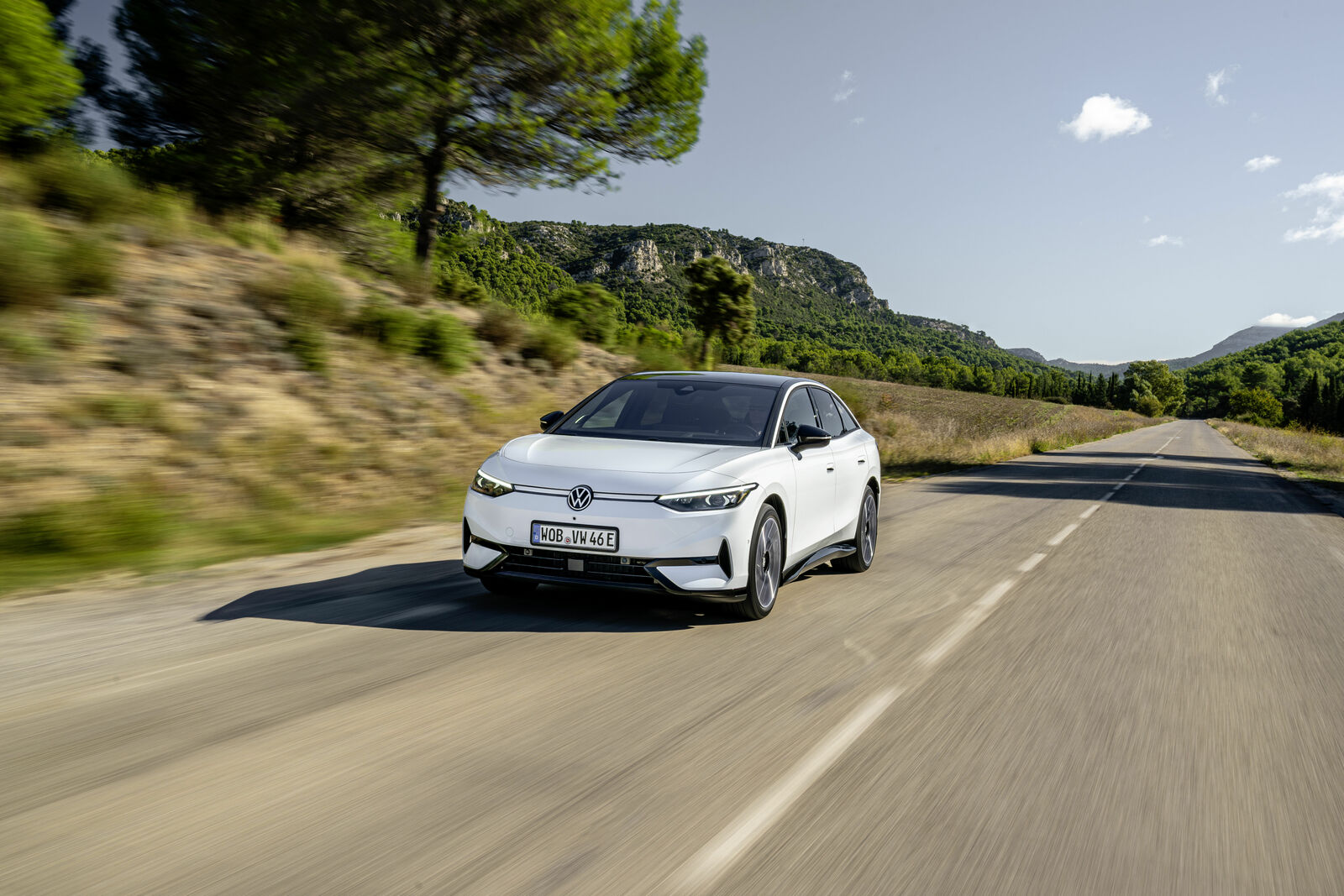
Volkswagen lists both the ID.7 saloon and the ID.7 Tourer as eligible for salary sacrifice, so you’re not chasing a unicorn spec; this is a mainstream fleet proposition. The thing I’d flag before anyone gets too comfortable is that 4% is a floor, not a fixture: the rate is scheduled to climb in the years after, so the sums I’m about to walk through are a 2026/27 snapshot rather than a promise for the full life of a three- or four-year lease.
What the ID.7 actually costs you in tax
Here’s where the numbers get concrete. The ID.7’s P11D value starts from around £59,055 on the Pro S trim, and yes, that’s a meaty figure, the kind that makes people wince. But run it through the 4% rate and the BiK tax works out at roughly £39 a month for a 20% taxpayer, about £79 a month at 40%, and around £89 a month at the 45% additional rate.
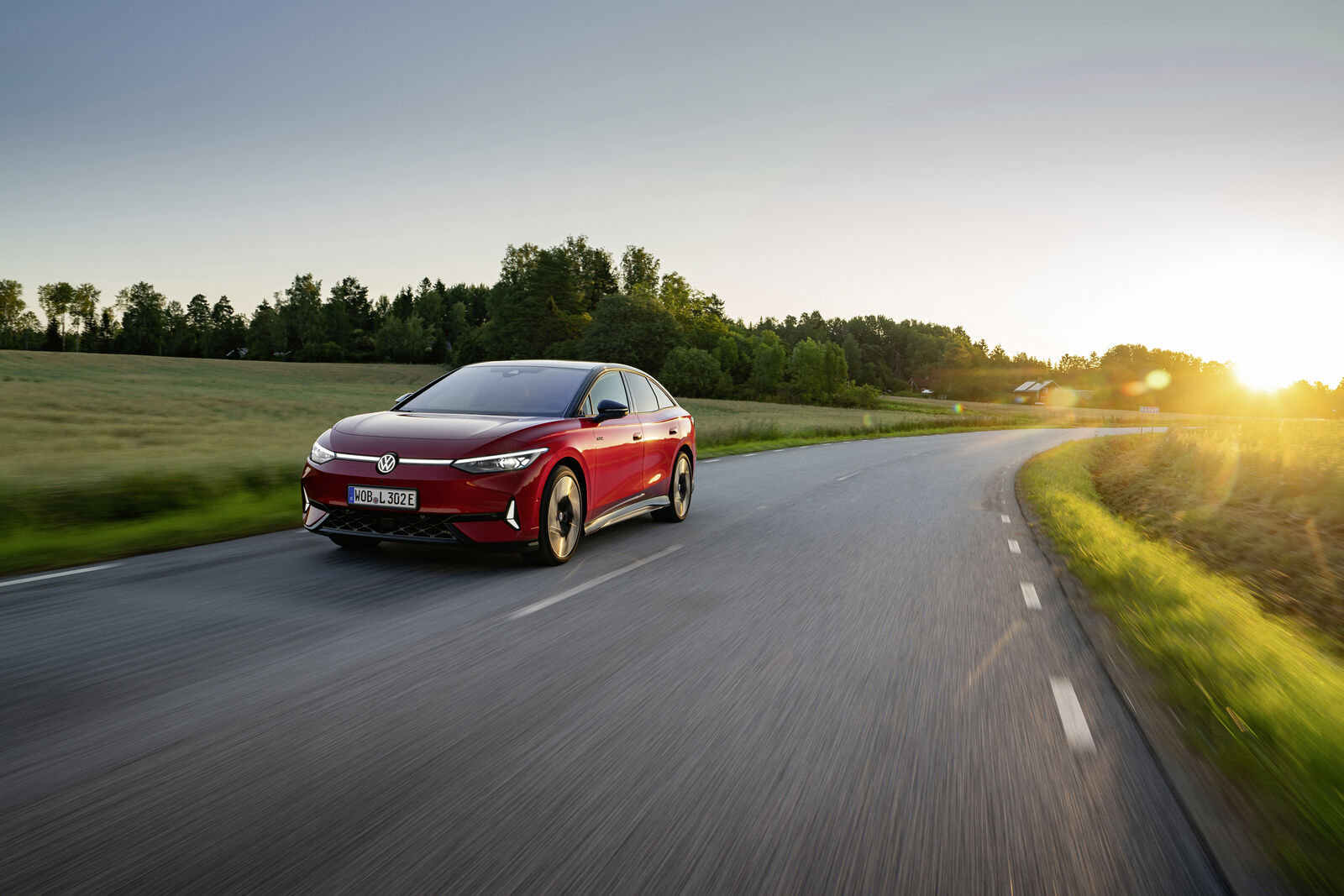
Sit with that for a second. A higher-rate earner is paying under £80 a month in tax to have the use of a near-£60,000 electric estate. That’s the bit that genuinely changes the maths versus buying privately, where you’d be funding the whole depreciation curve out of taxed income. The lease rental itself sits on top of the tax, and that’s the figure I’d warn everyone to scrutinise hardest. While the BiK is standardised by HMRC, the monthly lease cost varies wildly between providers and depends on your term, mileage and any initial rental. Two colleagues on the same scheme can pay materially different amounts. The tax is the predictable part; the lease is where you need to read the small print.
The charger sweetener, and its expiry date
Volkswagen is currently bundling a free 7kW Ohme home charger, including installation, with fleet and salary sacrifice orders, but the qualifying condition is that the car is delivered by 30 September 2026. That matters more than it looks. A home charger plus fitting is comfortably a four-figure cost if you’re paying for it yourself, and home charging on a cheap overnight tariff is the entire economic case for running an EV. If you can’t charge at home, the ID.7 stops being a clever financial play and becomes an expensive way to queue at motorway rapid chargers.
So my practical steer is this: if the charger offer is part of why the deal appeals, work backwards from that delivery deadline. EV lead times have a habit of swallowing optimistic order dates, and missing the 30 September window quietly removes one of the better reasons to pick the VW over a rival.
Is it the right car, not just the right tax wrapper?
A good tax outcome on the wrong car is still the wrong car. The ID.7 Tourer’s case rests heavily on range and space: Volkswagen quotes a WLTP figure of up to 422 miles on the 86kWh Pro S, and that’s the version I’d actually want. A real-world figure will land below the WLTP number, as it always does, but even a sensible derate leaves you with a car that genuinely does long motorway runs without range becoming the dominant emotion of your week. For a high-mileage rep or a family that does the occasional 250-mile slog to see relatives, that headroom is the difference between an EV you trust and one you merely tolerate.
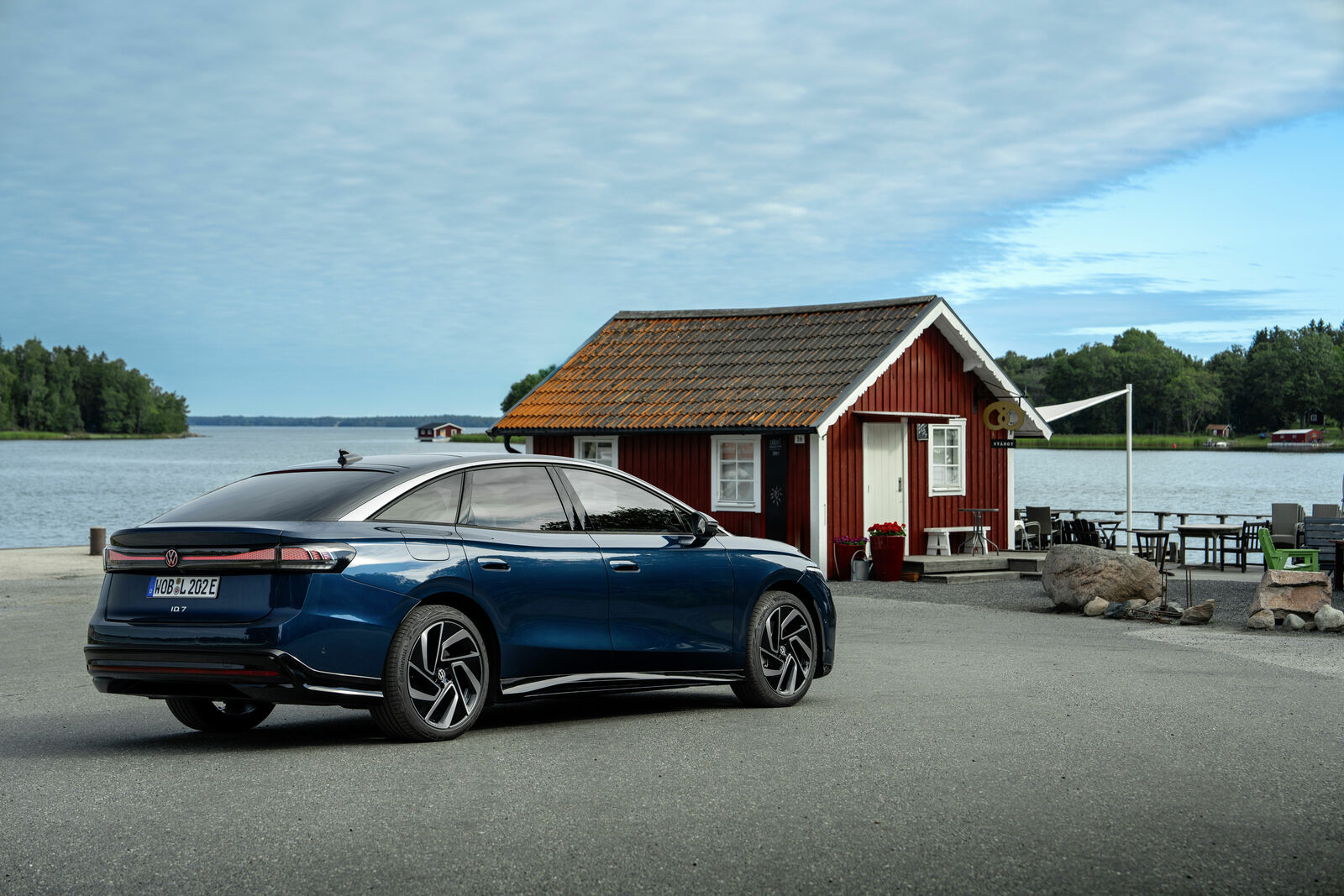
The estate body is the quietly sensible choice here too. If you’re going to commit three years of salary to a car, the ID.7 Tourer earns its keep as an actual load-lugger in a way the saloon never quite will.
So who should sign, and who should walk
I’ll plant a flag. If you’re a 40% or 45% taxpayer with a driveway, a home charger on the way (ideally that free Ohme one), and a real need for range and boot space, the ID.7 on salary sacrifice is one of the most rational money decisions on the company-car menu in 2026/27, and I’d be reaching for the Tourer Pro S and the September delivery window without much hand-wringing. The combination of the 4% rate and a high P11D actually works in your favour, because the percentage is so low that the big sticker price barely stings in tax terms.
Where I’d pump the brakes is for two groups. First, anyone without reliable home charging: the deal’s logic falls apart without a cheap overnight tariff, and no BiK saving rescues a car you can’t conveniently fuel. Second, the 20% taxpayer eyeing a near-£60k car: the tax saving is proportionally smaller, the lease rental is the same hefty number, and you may find a cheaper EV gives you most of the benefit for a lot less committed salary. The thing that would change my mind for that second group is a genuinely sharp lease deal, so get quotes from more than one provider before you sign anything, because that rental, not the tax, is what’ll actually decide whether this is smart or just shiny.
Figures reflect the 2026/27 UK tax year and are illustrative, not a finance offer and not personal financial advice; your own position depends on your tax band, lease terms and your employer’s scheme, and your rate will depend on your circumstances. Confirm the current rates on gov.uk before you commit.
Buyer action
Where to check next
Use this as the final check before paying a deposit, signing finance paperwork or relying on a headline monthly figure.