Here’s the 2026 figure that made me sit up: a 2021 BMW i4 eDrive40, a car that cost north of £50,000 new, now shows up in What Car?’s used i4 review for around £18,000. I’ve spent a lot of this year telling people to be patient with used electric cars, and the i4 is the car that keeps proving the point. Read evpowered’s used i4 buying guide and the numbers do something most premium EVs still can’t: they make a genuinely desirable car look almost cheap. That guide reminds you the i4 only landed in the UK in November 2021, which means the earliest cars are barely four years old, and yet you can now buy into one for the price of a sensible petrol hatchback.
So let me lay out why I think the i4 Gran Coupe is one of the smartest used EV buys in Britain right now, and, more importantly, which one I’d actually hand my money over for.
What you’re actually getting for the money (used EV buys)
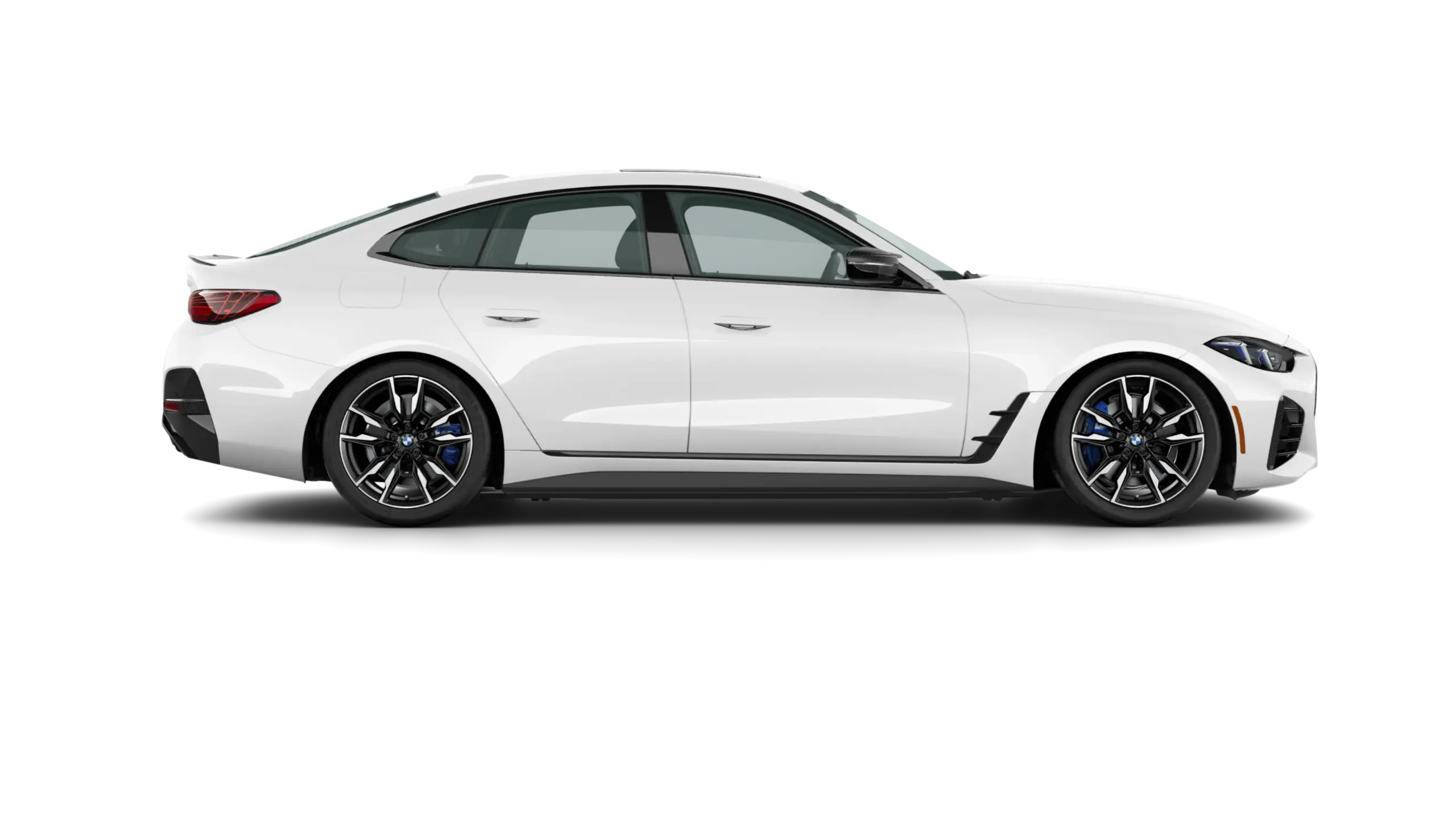
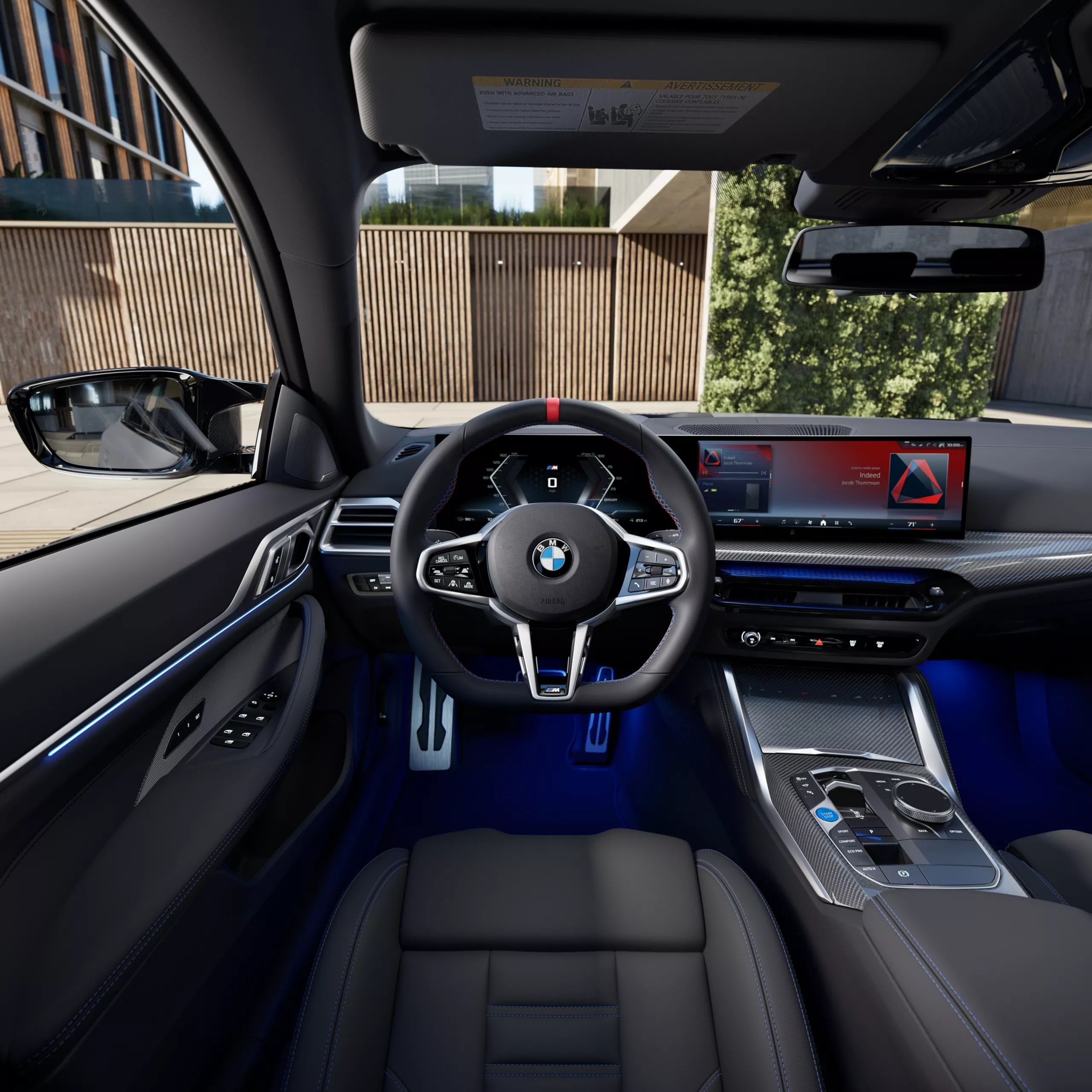
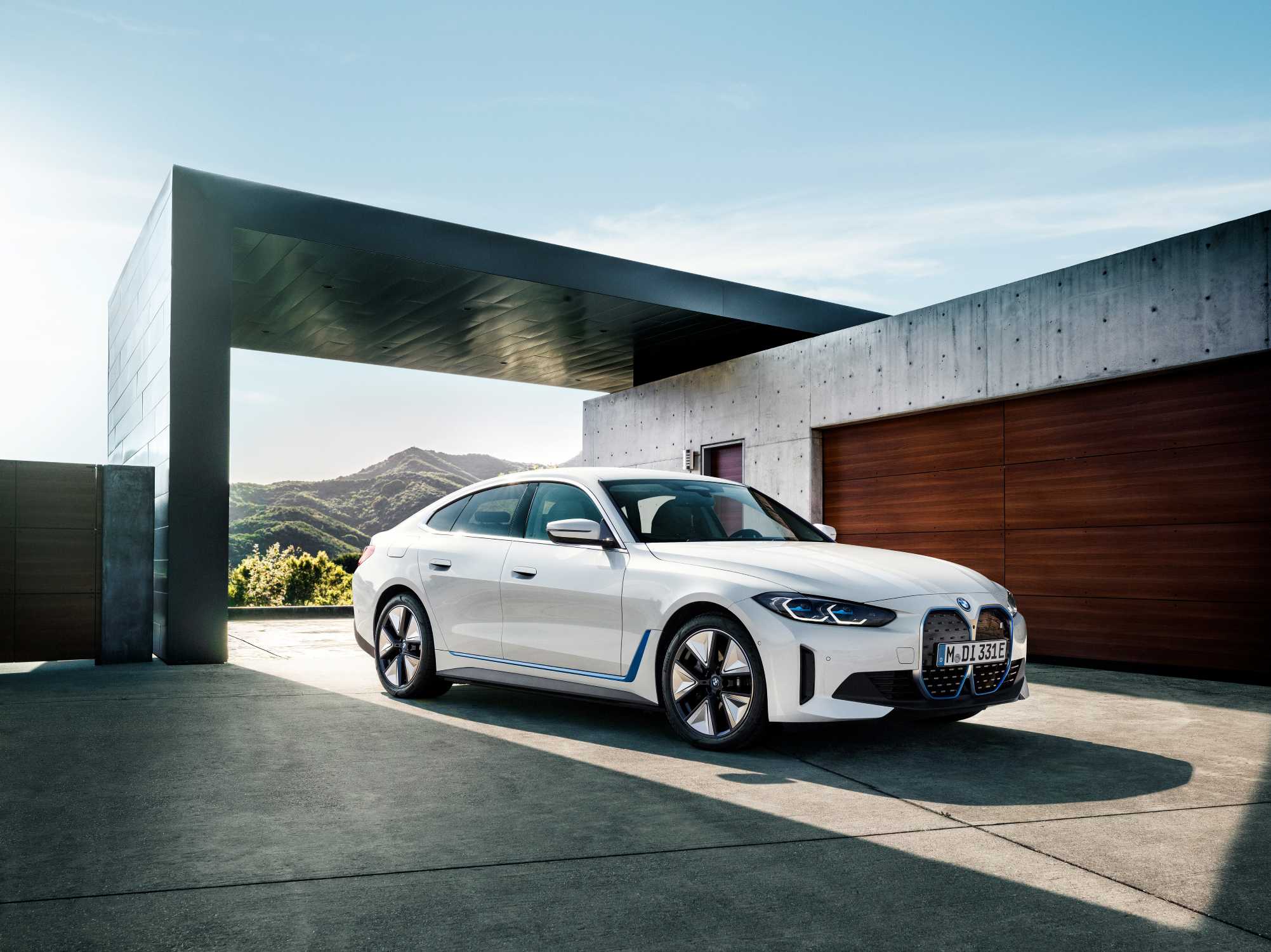
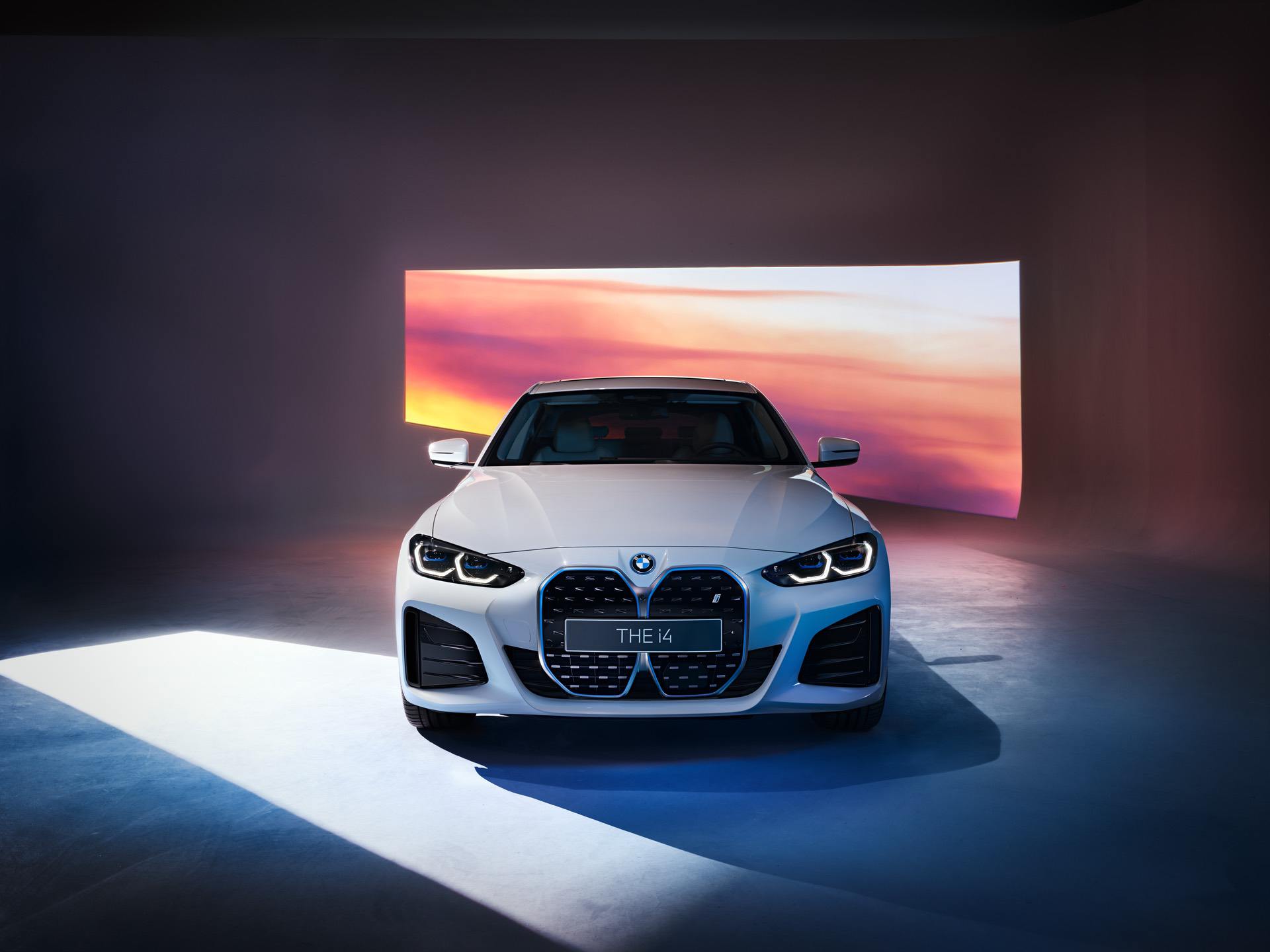
This is the part people forget. The i4 isn’t a worthy little eco-box; it’s a low-slung, rear-driven five-door that shares most of its bones with the 4 Series Gran Coupe. When it launched, the eDrive40 in Sport trim cost £51,905, rising to £53,405 for M Sport, while the range-topping M50 came in at £63,905 with 469bhp, and a frankly silly 537bhp on overboost. Those are the launch figures from the same evpowered guide, and they matter because they tell you the kind of car you’re inheriting second-hand.
Range is the other half of the equation, and the i4 has always been honest here. On the WLTP cycle you’re looking at 299 miles for the entry eDrive35, 365 miles for the eDrive40, and 318 miles for the all-wheel-drive M50. The eDrive40 is the sweet spot: it’s the one with the longest legs, and in the real world it’s the version I’d happily take from Manchester to London without sweating over a charging stop.
The prices that made me look twice
Here’s where it gets interesting. According to What Car?’s used i4 review, a 2021 eDrive40 with serious mileage, think 100,000-plus, can now be found for around £18,000. That is a £52,000 car, four years on, for the price of a new Dacia.
You don’t have to go that hard, though. The same data has 2022 cars sitting in the £20,000 to £25,000 band, 2023 and 2024 examples at £25,000 to £30,000, and 2025 cars holding above £31,000. Across the used i4 listings I’ve been keeping an eye on, the spread runs from the low twenties to the high forties, with the average landing a little under thirty grand, but the point stands: there’s an i4 for almost every budget that starts with a two.
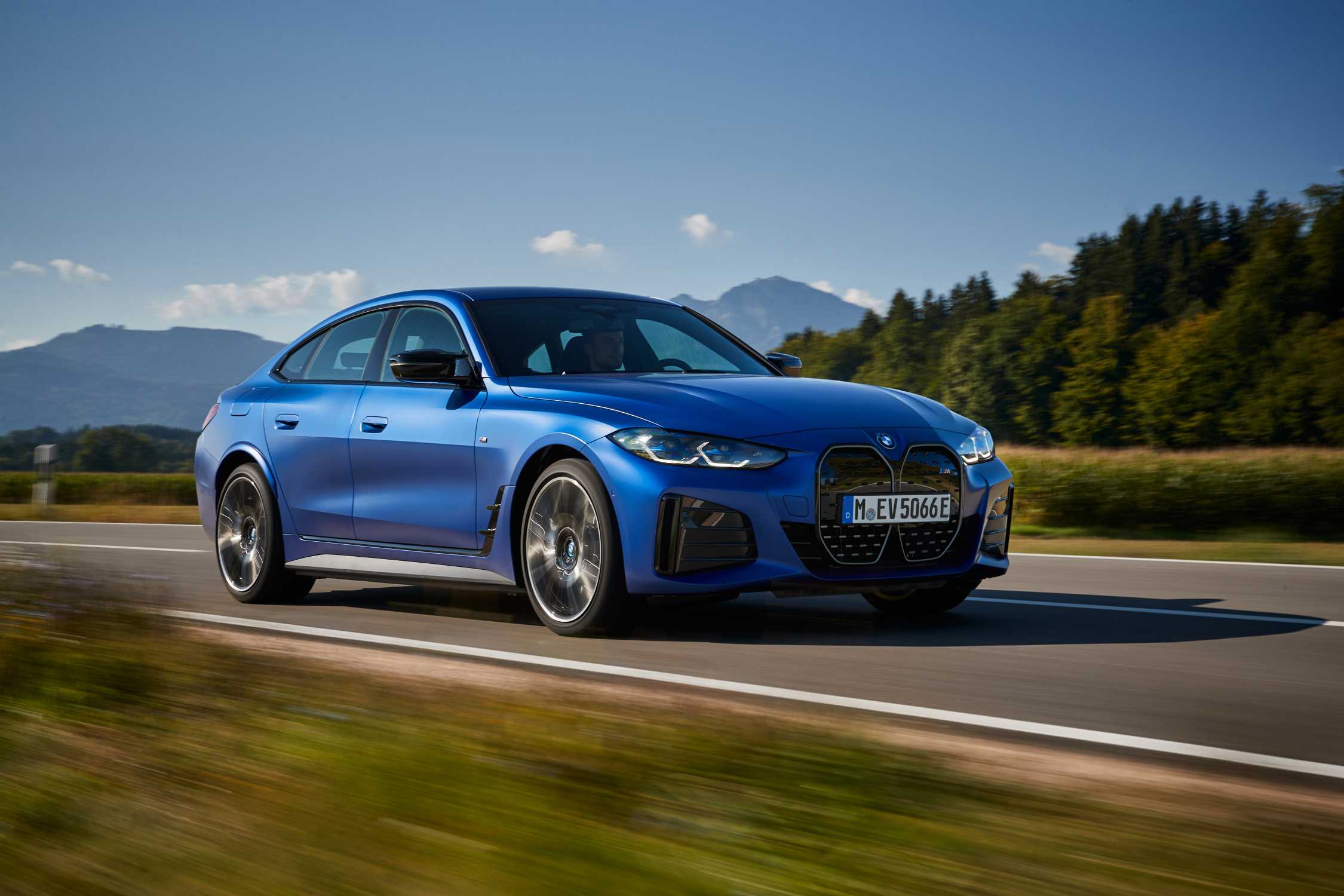
For me, the value bullseye is a 2022 or 2023 eDrive40 in the low-to-mid twenties. You skip the very highest-mileage launch cars, you get the long-range battery, and you’re paying roughly half of what the first owner did.
The warranty clock is the real argument
If there’s one fact that turns the i4 from “tempting” into “buy it”, it’s the battery cover. The i4 carries an eight-year / 100,000-mile high-voltage battery warranty, as set out on EV Database. Do the arithmetic on an early car: a November 2021 registration is covered until November 2029, which means a 2026 buyer still has three years of manufacturer battery protection to come.
That’s the bit that would stop me losing sleep. The single biggest fear with any used EV is the traction battery, and on a 2021 to 2023 i4 you’re buying that worry away for another few years on someone else’s pound. Just keep half an eye on the mileage: that 100,000-mile ceiling can arrive before the calendar does on a high-miler.
Running costs that undercut the badge
People assume a used BMW EV is a money pit. It mostly isn’t. What Car?’s figures put BMW main-dealer servicing from £460, and the annual vehicle excise duty at £195 for EVs as of the 2025/26 tax year, now that electric cars pay road tax. Neither of those is going to frighten anyone who’s been running a diesel 3 Series, and the home-charging maths still flatters the i4 against anything burning petrol.
It’s not free motoring, nothing is in 2026, but the i4’s day-to-day costs are far closer to a mainstream family car than to the £50k-plus price it wore in the showroom.
Why the depreciation is your gain
The flip side of a great used buy is a painful new one, and that’s exactly what’s happened here. Per FreePlateCheck, the i4’s UK RRP still starts from £51,370, yet it holds only about 56% of its value after three years and 46% after five. For a new buyer that’s brutal. For me, hunting second-hand, it’s the whole opportunity: someone else has already eaten the steepest part of the curve.
The trick is to buy where the depreciation has already done its damage and the warranty hasn’t yet run out. On the i4, that window is open right now.
The i4 I’d actually go and see this weekend
So here’s my position, and I’m not going to fudge it. If you’ve got somewhere between £22,000 and £27,000 and you want a proper premium EV that doesn’t feel like a compromise, the i4 is the one I’d be ringing dealers about, specifically a 2022 or 2023 eDrive40 with sensible mileage and as much of that battery warranty left as you can find. The 365-mile range, the three-or-so years of remaining cover, and the sub-£500 servicing make it the version that adds up.
I’d steer the cautious away from the 100,000-mile £18k launch cars: the saving is real, but so is the squeeze on that mileage-capped warranty, and a used EV is the wrong place to gamble on a battery. And I’d tell anyone eyeing a brand-new i4 to think very hard about that 56% three-year figure first. The M50 is a riot if you want the performance halo, but for nine buyers out of ten the eDrive40 is the smart head-over-heart choice.
Buy the right one, check the battery warranty date in the logbook, and the i4 might just be the most car you can get in 2026 for under thirty grand.
Buyer action
Where to check next
Use this as the final check before paying a deposit, signing finance paperwork or relying on a headline monthly figure.