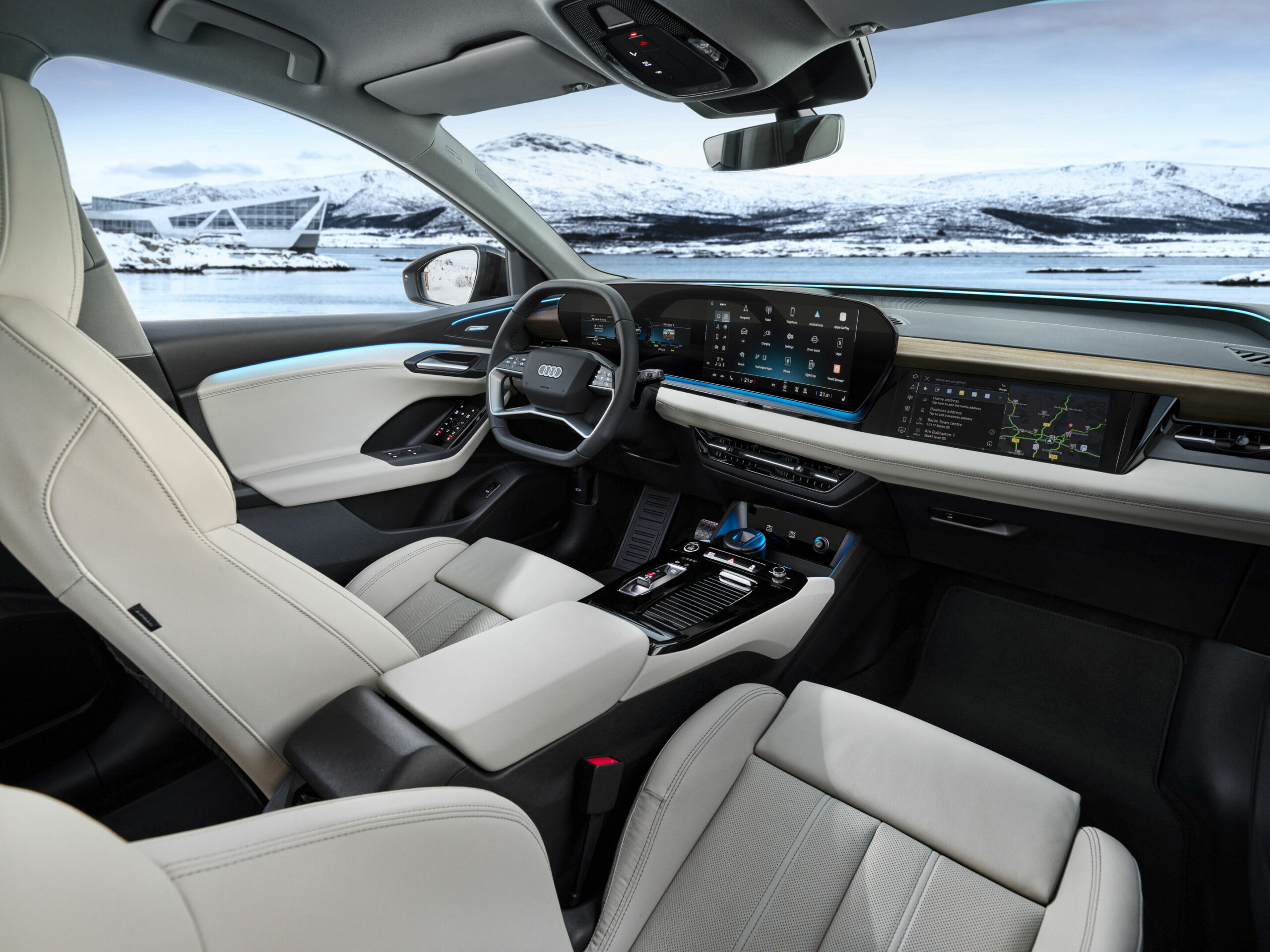
I spend most of my working week pulling apart the numbers that sit behind the headline price of a car, and the Audi Q6 e-tron is one of those EVs where the sticker is only half the story. The figures I’m leaning on here come from Parkers’ Q6 e-tron review and its detailed cost pages, all current as of June 2026. So before you get seduced by the badge and the cabin, let me walk you through what this Audi will actually cost to keep on the road — and where I think the real decisions lie.
The price you start from (Audi Q6 e-tron)
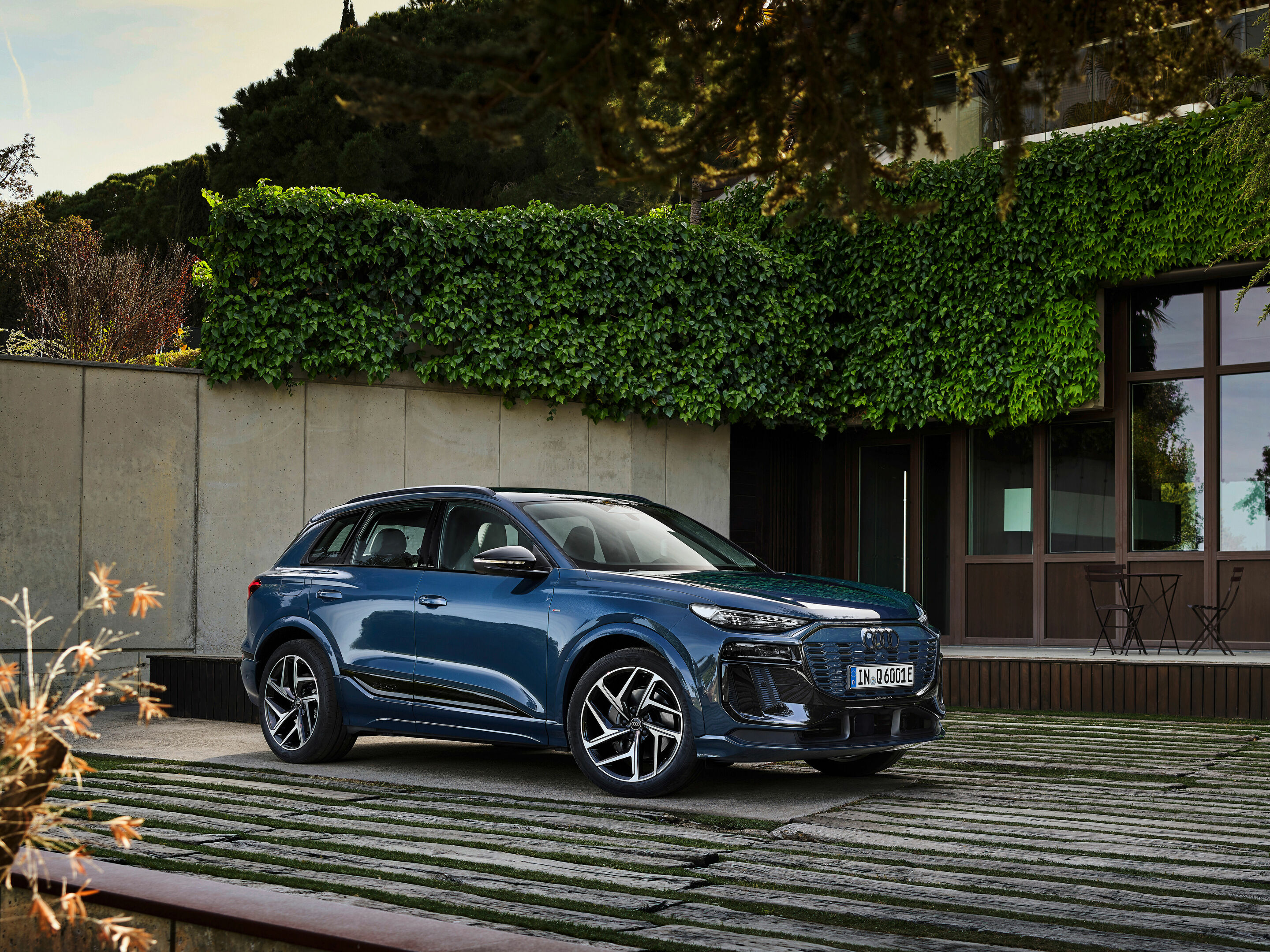
The Q6 e-tron lands on UK driveways from £60,515 for the Sport trim, climbing to £71,015 for the Sportback Edition 1, according to Parkers’ pricing data. That’s a meaningful spread, and it matters more than usual here because almost every running cost downstream — insurance, tax, depreciation exposure — scales with the version you pick. My honest view: the gap between the entry Sport and the top Sportback is wide enough that you should treat them as two different ownership propositions, not trim levels of the same car.
What it sips, and how fast it fills
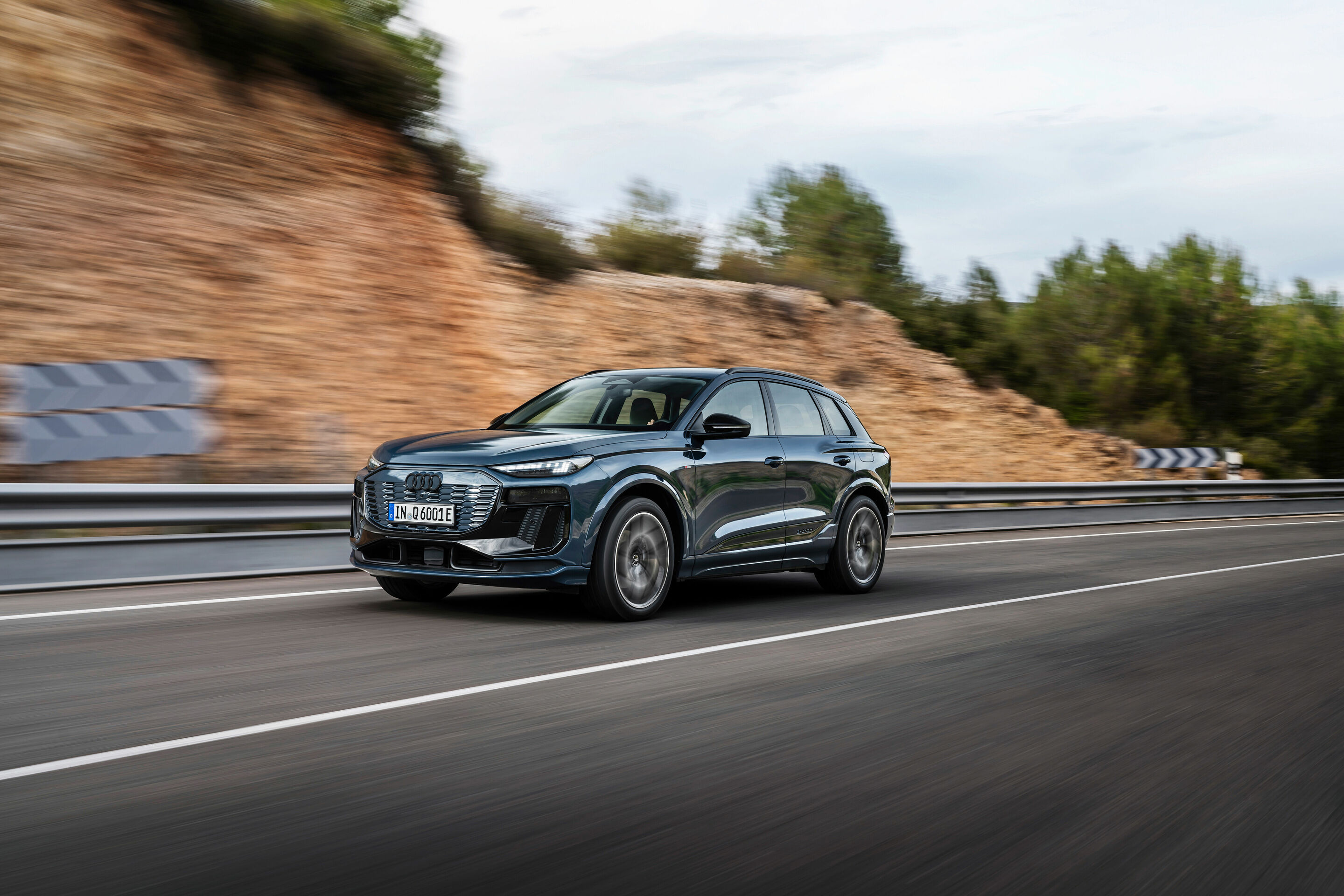
This is where the Q6 earns back some goodwill. Parkers records real-world efficiency of 3.2 to 3.9 miles per kWh, which translates to a usable range of roughly 280 to 365 miles depending on trim, weather and how heavy your right foot is. For a car this size and weight, the upper end of that band is genuinely strong.
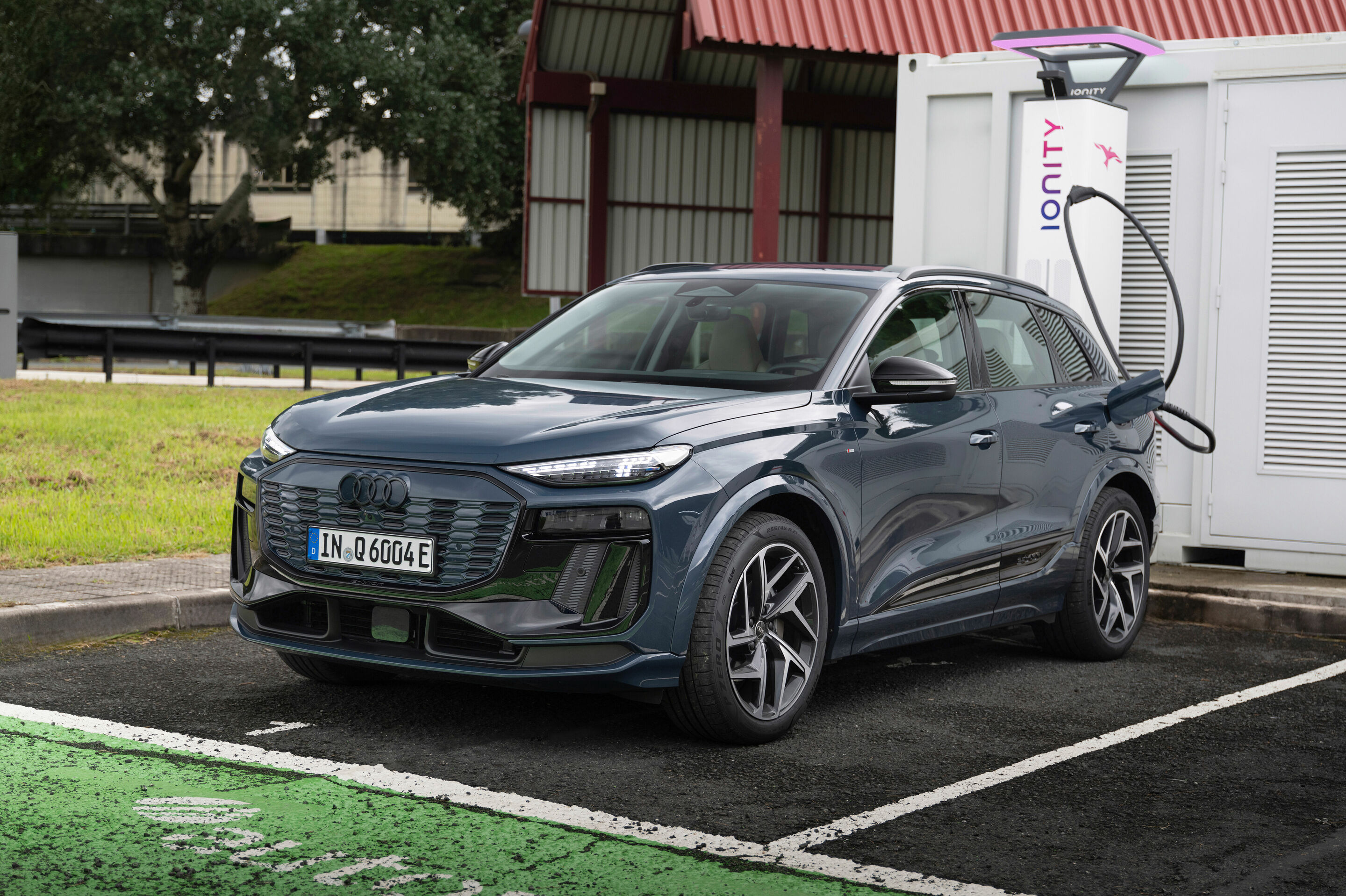
Charging is the headline I’d actually shout about. On a suitable rapid charger the Q6 e-tron will take 270kW, and Parkers quotes a 10–80% top-up in 21 minutes under ideal conditions — see the running-costs breakdown for the detail. The “ideal conditions” caveat is doing real work in that sentence; a cold battery on a busy motorway charger won’t hit it. But the architecture is there, and that’s the bit you can’t retrofit. If you do a lot of long-distance driving, this is the single number that would tip me towards the Q6 over slower-charging rivals.
Insurance: this is where it bites
Here’s the part that would give me pause. The Q6 e-tron sits in insurance groups 44 to 50 — the base Sport starts at group 44, and the performance SQ6 tops out at group 50, which is the very top of the scale. There’s no polite way to dress that up: this is an expensive car to insure, and the SQ6 in particular will command premiums that some drivers simply won’t have budgeted for.
I always tell readers to get a real quote on the exact trim before they sign anything, because the difference between a group 44 and a group 50 car can run to hundreds of pounds a year depending on your postcode, age and history. Your own premium will depend on your circumstances, so treat the insurance group as a hard cost, not an afterthought — on a car like this it can quietly rearrange your monthly maths.
Road tax: the rules have caught up with EVs
The days of EVs dodging road tax are over, and the Q6 e-tron is squarely in the new regime. Parkers lists annual VED of £200 to £640 for the 2026/27 tax year depending on version — the Sportback Edition 1, for instance, attracts a figure around £620, per the Edition 1 specs. The reason the higher trims hurt is the so-called expensive-car supplement that kicks in above a list-price threshold, and most Q6 versions sail well past it.
This is genuinely one of the strongest arguments for the cheaper Sport trim. Spec up towards £71k and you’re not just paying more upfront — you’re locking in the steeper tax band for years. Worth modelling that over your whole ownership period rather than just year one. VED bands and thresholds are set by government and can change at any fiscal event, so check the current rates before you commit.
Servicing: the one cost that’s refreshingly tame
After the insurance reality check, the maintenance picture is a relief. Audi offers a two-year service plan for £455, covering one service, as listed in the Parkers running-costs pages. For a premium German EV that’s reasonable, and fixing the cost upfront takes one of the few genuine variables out of the equation. EVs need less routine attention than combustion cars in any case — no oil changes, far less to wear out — so I wouldn’t lose sleep over the servicing line. If you’re the type who likes predictability, the plan is worth taking.
Who I’d point towards it — and who I’d steer away
So here’s where I land. If you’re a high-mileage driver who’ll actually use that 270kW charging and can live with a group 44 insurance bill, the entry-level Sport is a quietly sensible buy — strong efficiency, a tame servicing cost, and a real-world range that holds up. That’s the version I’d put on my own shortlist.
Where I’d hesitate is the top of the range. The Sportback Edition 1 and the SQ6 stack the two costs that scale fastest — group-50 insurance and £620-ish road tax — on top of a price north of £70k, and you feel all three at once. Unless you specifically need the performance, the money disappears into running costs rather than driving experience. What would change my mind is a genuinely sharp insurance quote on the SQ6 for your circumstances; get one of those and the calculus shifts. Short of that, my instinct is to buy the cheapest Q6 that meets your needs and let the savings ride for the life of the car.
Buyer action
Where to check next
Use this as the final check before paying a deposit, signing finance paperwork or relying on a headline monthly figure.