
I’ve spent the past few weeks digging through the used Volvo XC40 Recharge market, and the timing matters more than usual: the VED rules that changed on 1 April 2025 have reshaped what a nearly-new example costs to keep in the 2025/26 tax year, just as used prices have finally settled. The cars themselves are mostly fine, it’s the buying that catches people out. Most of the numbers below trace back to Electrifying’s used review (2024), cross-checked against Autocar and Recharged. If you’re shopping one in 2026, here’s what I’d actually be checking before I handed over any money.
The 2023 facelift is the line in the sand (Volvo XC40 Recharge)
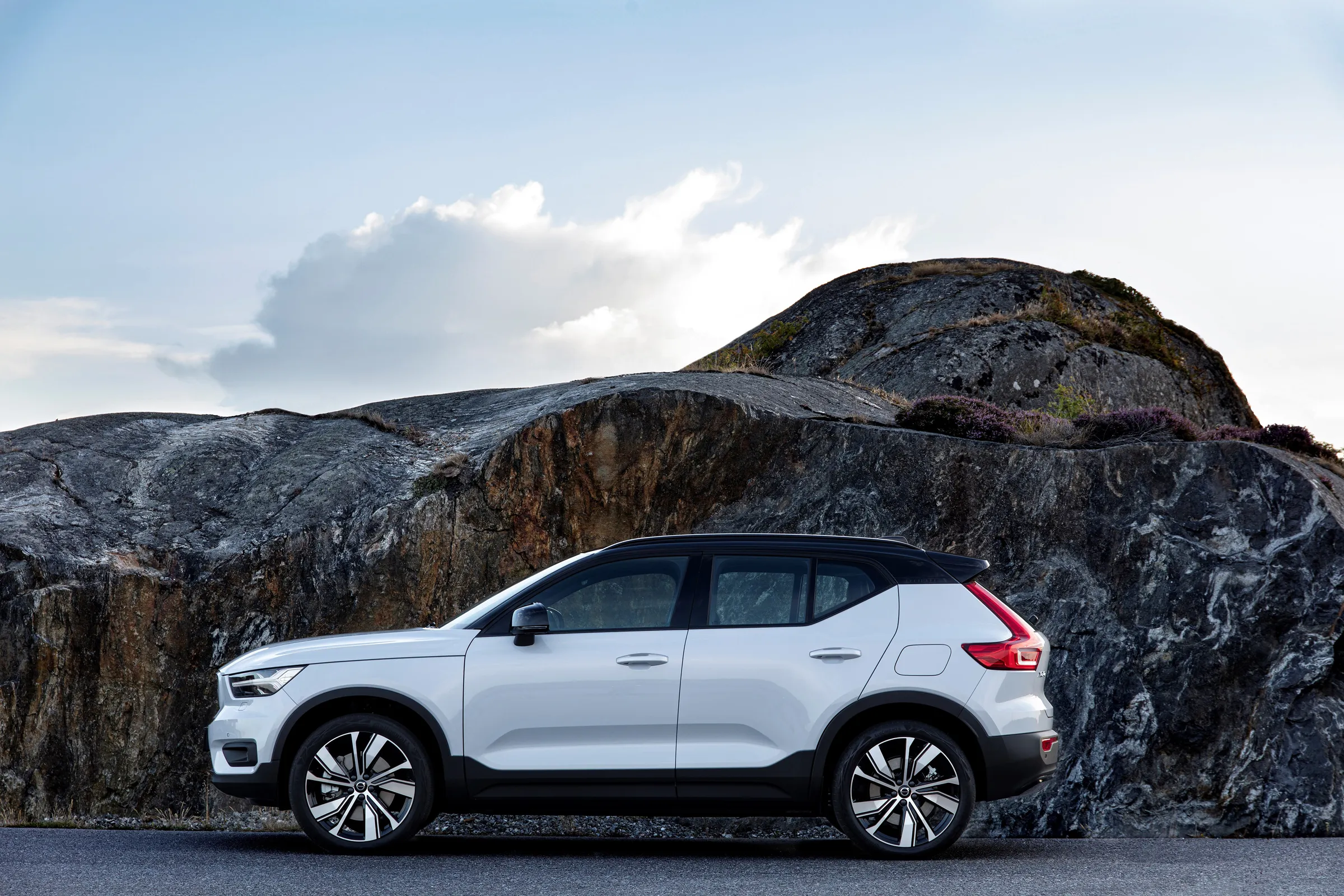
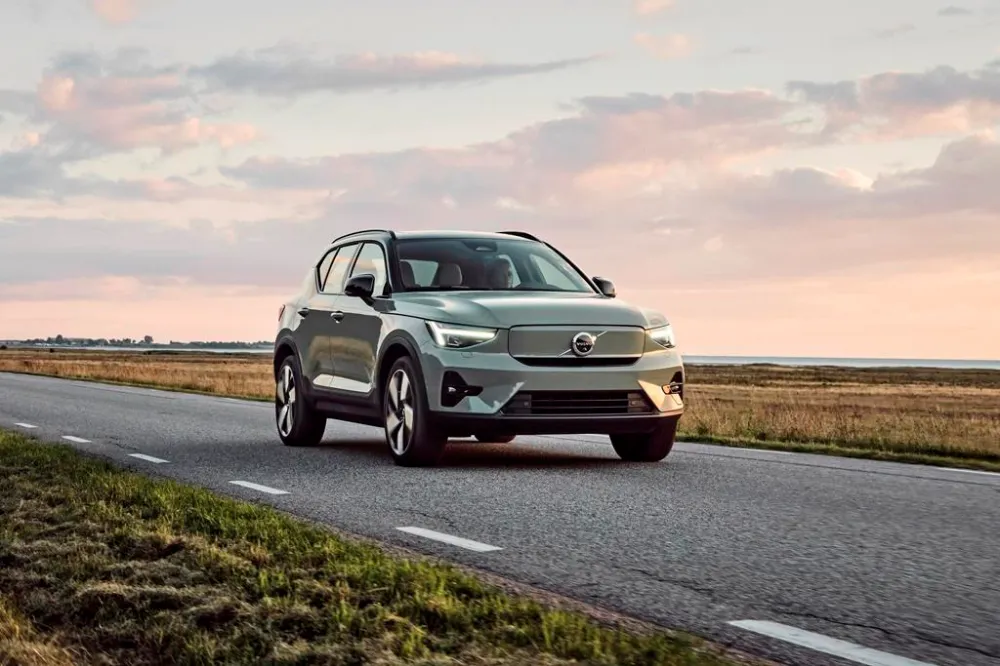
There’s a real before-and-after here, and it matters more than badge or trim. The early twin-motor cars (pre-2023) carried an official WLTP figure of 256 miles, which in cold weather or with an older battery realistically lands nearer 200 miles. The 2023 facelift changed the recipe: a larger 82kWh battery and sharper efficiency pushed the official range up to 334 miles, per Autocar.
That’s not a marginal upgrade, it’s the difference between a car that fits a long UK motorway life and one that’s better suited to commuting and town runs. So my first question on any listing isn’t the mileage, it’s the registration date. A 2023-on car is a genuinely different proposition, and the price gap reflects it.
Battery health: better news than the doom-mongers suggest
This is where used EV anxiety peaks, and honestly the XC40 has earned more trust than it gets. Every Recharge comes with an 8-year/100,000-mile battery warranty that guarantees at least 78% capacity retention, according to Electrifying and Recharged. That’s the floor, not the expectation.
In the real world the figures are far healthier. The owner readouts Electrifying and Recharged cite have pre-2023 78kWh packs showing 92 to 96% state of health at three years across a 6,000 to 74,000-mile spread, while the newer 82kWh packs are holding around 98% at two years and 12,000 miles. Typical degradation runs at roughly 1 to 2% a year. To put that plainly: a well-kept early car is not going to fall off a cliff, and you’ve got the warranty backstop if it ever did.
What I’d still do is ask for a state-of-health readout before purchase. A dealer who can’t or won’t produce one is telling you something. If the number sits in the low 90s on an early car, that’s normal; if it’s drifting toward the high 70s well before the warranty mileage, walk away or use it hard on price.

Charging, fine, but know what you’re buying
The early cars aren’t rapid-charging superstars, and that’s worth setting expectations on. Autocar puts the early 69kWh battery at 11kW AC and 136kW DC, good for a 10 to 80% top-up in around 30 minutes. That’s perfectly serviceable rather than class-leading: you’ll get your coffee-break charge on a motorway run, but you won’t be the fastest car at the bank of chargers.
For most buyers this is a non-issue, because the reality of EV ownership is overnight home charging. But if you don’t have a driveway and you’re leaning on the public network, the early car’s charging behaviour is something to feel out on a test drive rather than read about.
The recalls I’d check by VIN before anything else
This is the cheap, five-minute job that buyers skip and shouldn’t. Recharged flags two worth confirming: a brake software recall that affects the regenerative braking, and a rear-camera recall. Both are checkable against the car’s VIN, and any franchised Volvo dealer can confirm the work’s been done.

I wouldn’t treat an outstanding recall as a dealbreaker, they’re fixes, not faults you live with, but I’d want them resolved before collection, in writing, not “we’ll sort it after.” On a private sale, the VIN check is your responsibility, so do it before you transfer a penny.
Running costs: the quiet win
The XC40 Recharge is cheaper to keep than the equivalent combustion car, and the gap is real. Electrifying reckons EV servicing costs run about 50% less than a comparable diesel XC40 over time: fewer moving parts, no oil changes, less to go wrong.
Tax is the part that’s changed and tripped people up. As of the 2025/26 tax year, all XC40 Recharge models attract the £195 standard VED rate, after EVs lost their VED exemption on 1 April 2025 (per gov.uk’s published VED rates). The sting is the Expensive Car Supplement: an extra £425 a year across years two to six on the 2025/26 rates, but only on cars registered after 1 April 2025 with an original list price above £50,000. For the vast majority of used buyers shopping earlier cars, that surcharge simply won’t apply; but if you’re eyeing a nearly-new high-spec example, check the registration date and original list price carefully, because it adds up to over £2,000 across the window. These figures are for the 2025/26 tax year and the Treasury can revise them at any Budget, so confirm the current rate on gov.uk before you commit.
What the money actually buys in 2026
Pricing has settled into two clear tiers. Car Magazine has early 2021 to 22 cars starting from around £17,850, with later 2023-on models sitting in the £25,000 to £35,000 band. That early-car figure is genuinely tempting: a premium compact electric SUV for sub-£18k is a lot of metal for the money.
On warranty, the standard cover is three years/60,000 miles, and Volvo’s approved-used schemes typically add another 12 months. If you’re buying an early car at the bottom of the market, that approved-used top-up is worth paying a small premium for: it’s the difference between cover and crossing your fingers.
So who should buy one, and which one
If your budget is tight and your driving is mostly local with home charging, the early sub-£18k cars are the value play, full stop. The battery health data is reassuring, the warranty floor protects you, and you’re getting a properly built, properly safe Volvo for hatchback money. I’d push for an approved-used example with a state-of-health printout and clean recall checks, and I’d happily live with the 200-ish-mile cold-weather reality.
If you regularly do long motorway distances, don’t talk yourself into an early car to save a few grand, stretch to a 2023-on facelift. The 334-mile official range and the more efficient pack will pay you back in fewer stops and less range anxiety, and the newer batteries are showing barely any degradation. The one car I’d be wary of is the high-list-price, post-April-2025 example bought without checking the £425 surcharge applies; that’s a cost people don’t see until the second renewal lands.
The thing that would actually change my mind on any individual car? A missing or evasive battery health figure, or an outstanding recall the seller is hand-waving away. Get those two boxes ticked and the XC40 Recharge is one of the more sensible used EV buys on the UK market right now, which, for a car this easy to like, is exactly what you want to hear.
Buyer action
Where to check next
Use this as the final check before paying a deposit, signing finance paperwork or relying on a headline monthly figure.