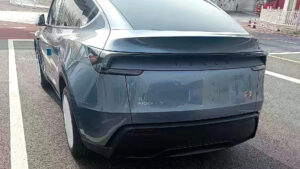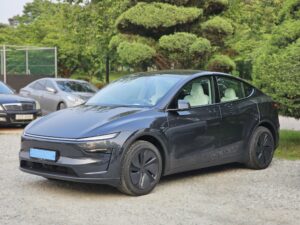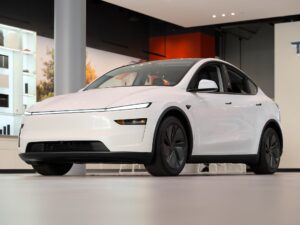
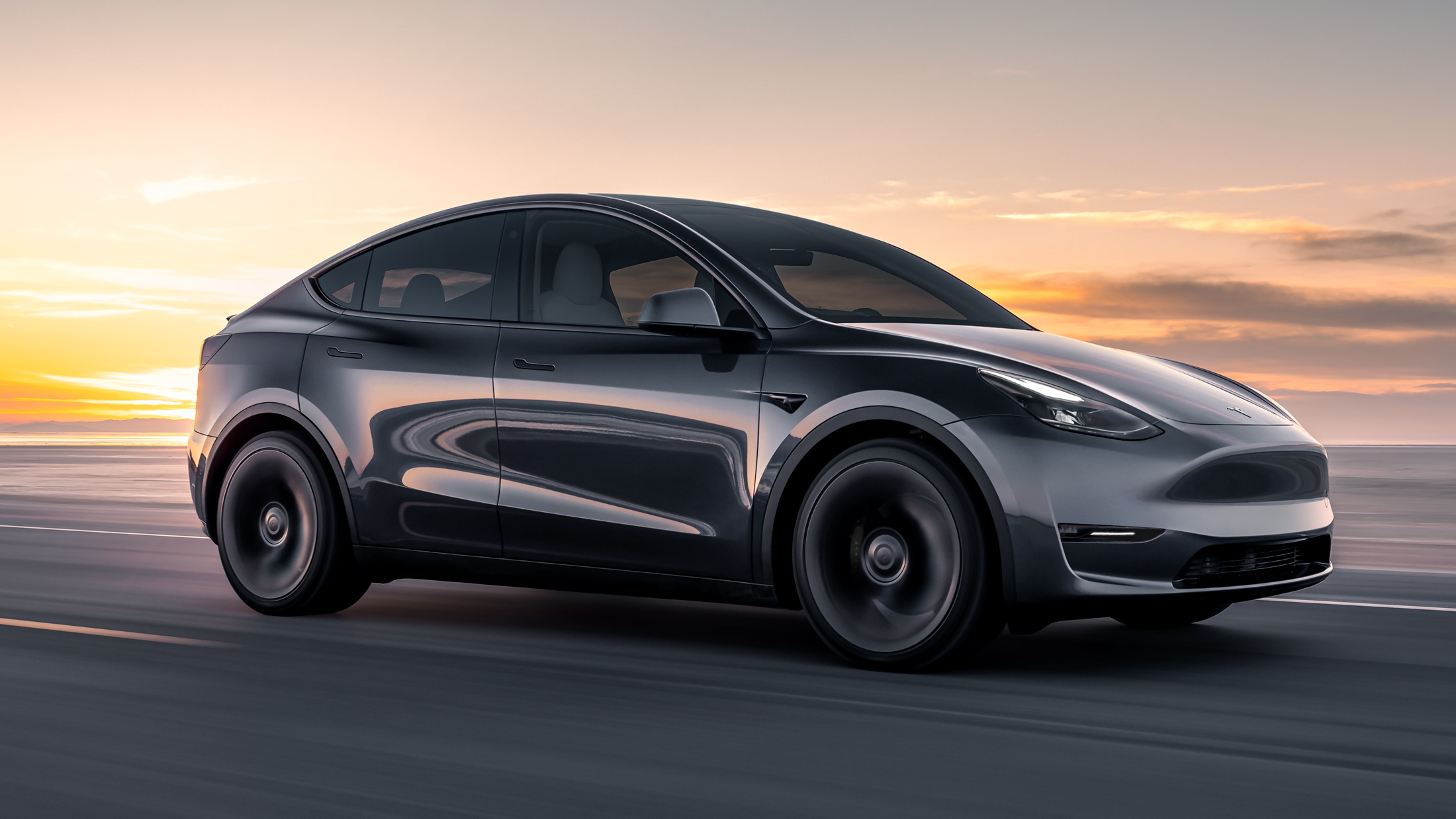
A used Tesla Model Y is suddenly one of the best-value family EVs in Britain, because the 2024-reg pre-Juniper cars are pouring onto forecourts as two-year leases unwind. The March 2025 facelift pushed old-shape values down hard, so a car that cost over £50,000 new now changes hands in the mid-to-high £20,000s. We will show you the live price reality, the battery and warranty checks that actually matter, and where the traps hide.
What real owners say (CDE data)
We cross-referenced UK owner sentiment on PistonHeads and the Tesla Owners UK community against published UK battery-health research and live trade listings, reviewed on 10 June 2026. We have not driven this individual car; the themes below are aggregated owner reporting, not a road test.
- Most-praised: long real-world range, cheap Supercharging access, low servicing, and surprisingly strong battery retention. Carwow’s UK used-EV battery study found cars typically holding around 95% of original health.
- Most-criticised: firm, jittery ride on the pre-facelift cars, wind noise at motorway speed, panel-gap and trim niggles, and patchy paint on early builds.
- Reliability signal: the battery is the reassurance, not the worry. A separate Geotab analysis of thousands of EVs put average pack capacity at 81.6% after eight years, and the Model Y’s drivetrain has very few moving parts to fail.
Why a used Tesla Model Y makes sense in 2026
The logic is simple: someone else has eaten the depreciation. A 2024-registered Long Range AWD was a £52,000-ish car when new. Two years on it sits in the high £20,000s, which means the steepest part of the loss curve is already behind it. For a family that wants 280-plus real miles, a vast boot and a front trunk, that is a lot of usable EV for the money. If a saloon suits you better, the same value logic applies to the smaller car in our used Tesla Model 3 buyer’s guide. The supply is the story here, because a wave of two-year personal and salary-sacrifice leases taken out in 2023 and early 2024 is now being returned and remarketed.
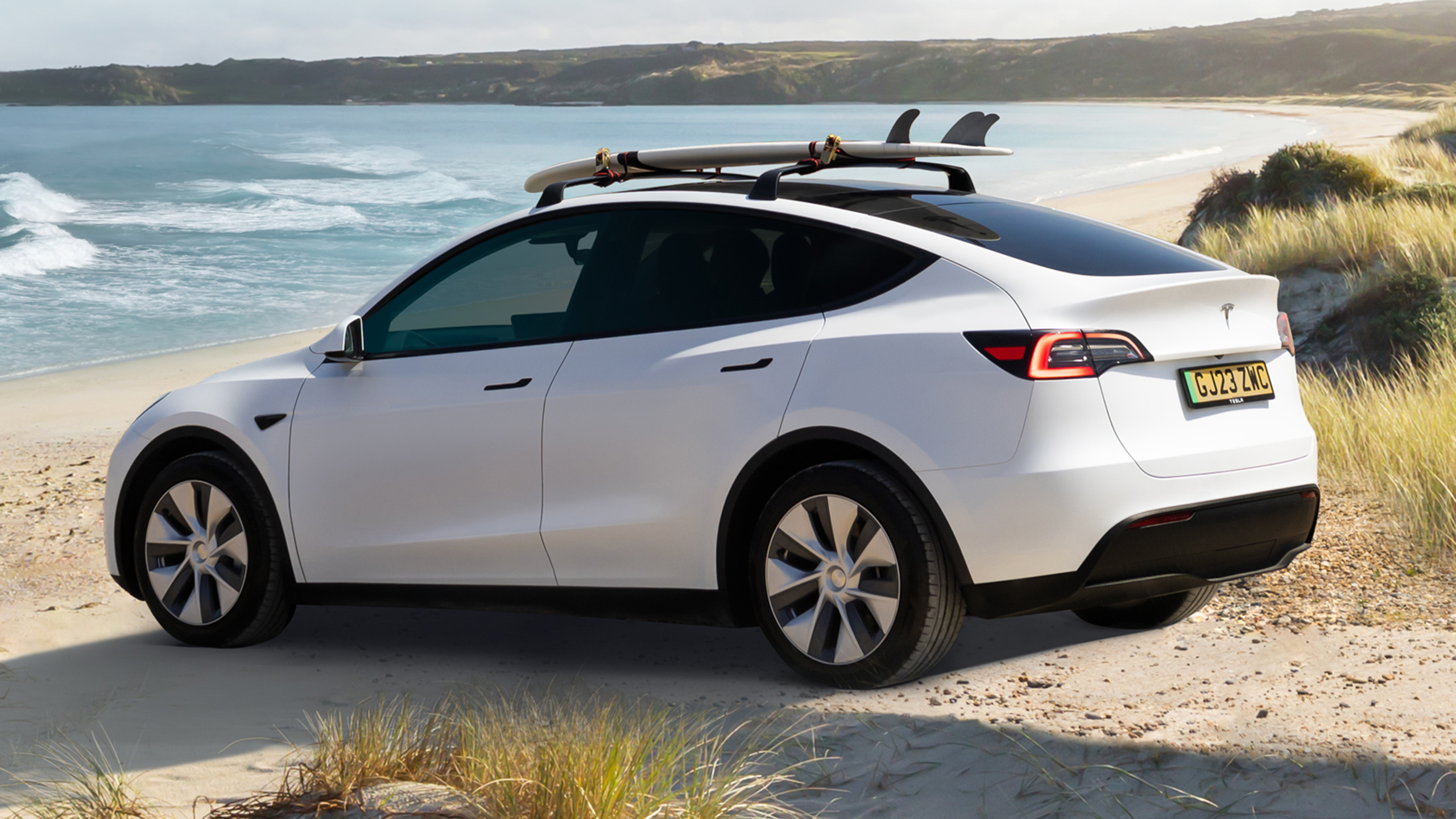
It helps that the new car is cheaper than you might think too, which caps how much a used one can ask. Tesla now lists the facelifted Model Y from £41,990 for the Standard rear-wheel-drive and £44,990 for the Long Range RWD, with deliveries from late March 2026 (tesla.com/en_gb). A used pre-facelift car has to undercut that new entry price meaningfully to make sense, and right now it does. If you are weighing buying outright against a payroll deal, our Tesla Model Y salary sacrifice maths for 2026 shows where the net monthly figures land for a higher-rate taxpayer.
The Juniper refresh and why old-shape values fell
Tesla revealed the heavily updated Model Y, codenamed Juniper, in early 2025, with UK deliveries from around May 2025 (Carscoops). The facelift brought Cybertruck-style split headlights, a full-width light bar, ventilated seats, a rear screen and a noticeably calmer ride. Reviewers were unusually warm about it. That is exactly why the pre-facelift car got cheaper: once a visibly newer version arrives, the older shape carries a discount on the used market.
Industry analysts have pegged the refresh-driven drop at roughly 10 to 15% on top of normal depreciation, and we would treat that as an estimate rather than a hard figure, because mileage and condition swing it heavily. The upside for a buyer is real: you get a mechanically near-identical car, the same battery tech and the same Supercharger access, minus the newest cabin tweaks, for thousands less. If your priority is value over kerb appeal, the old shape is the smart buy. For the wider picture on which electric cars hold their money, our analysis of premium EV depreciation in 2026 puts the Model Y in context against its German rivals.
What you will actually pay: live used prices
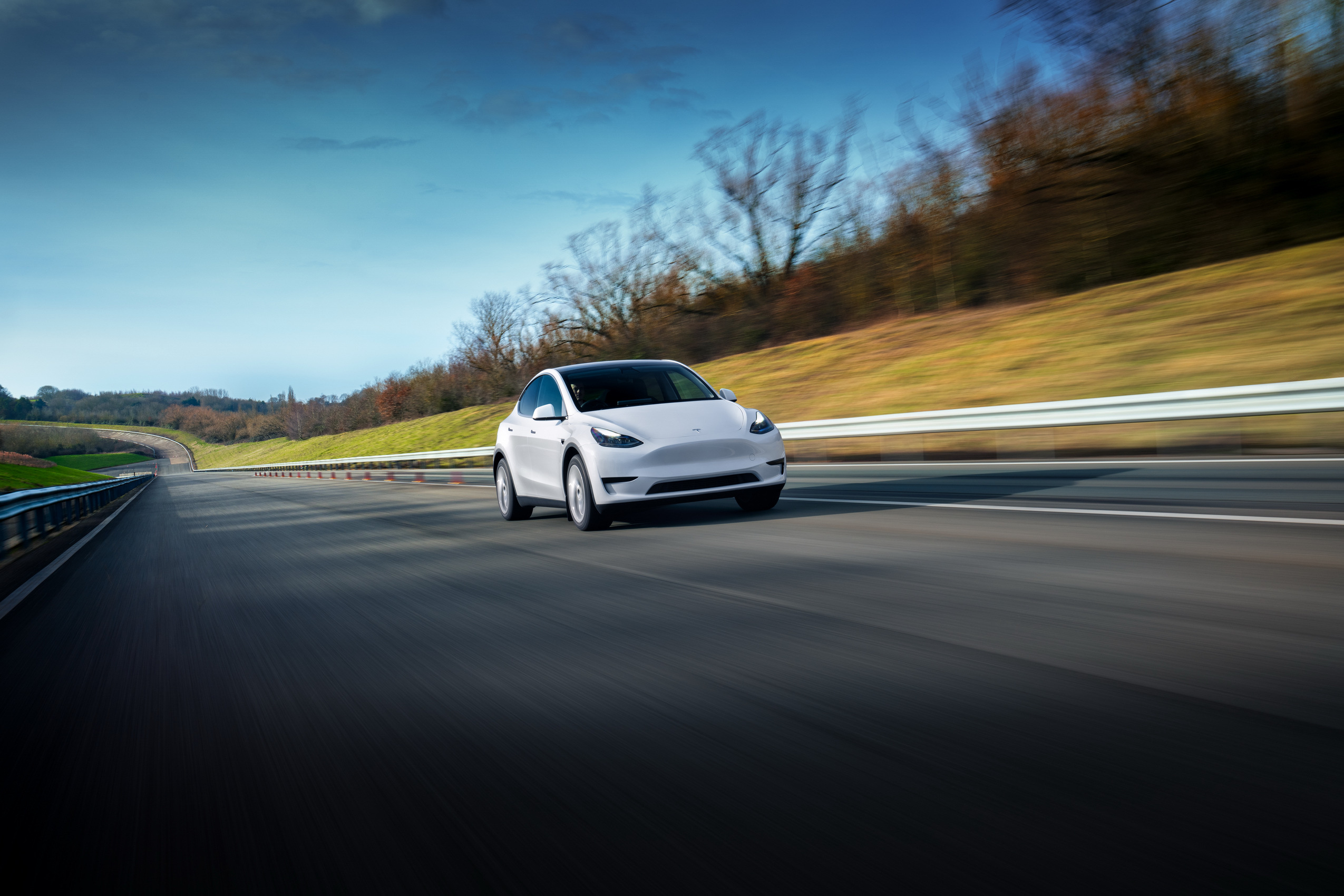
Treat any single advert as a data point, never as the value. Across Auto Trader, Cazoo and cinch, asking prices we saw on 10 June 2026 put a 2024-registered rear-wheel-drive Model Y at roughly £23,000 to £25,000 (one example: a 21,956-mile RWD at £24,999), while 2024 Long Range AWD cars sit in the high £20,000s (a 37,252-mile example listed at £27,999, and tidier low-mileage Long Range cars around £29,990 on Cazoo). In other words, a two-year-old Long Range has shed close to half its new price, which is the whole point.
Mileage matters less on an EV than on a diesel, but it is not irrelevant: it drives the warranty clock and hints at how hard the car has worked. A 37,000-mile ex-fleet car has likely seen plenty of motorway running and rapid charging, while a 15,000-mile private example may have lived on a home wallbox. Both can be excellent buys. The price gap between them is your negotiating room.
The battery health check that decides the deal
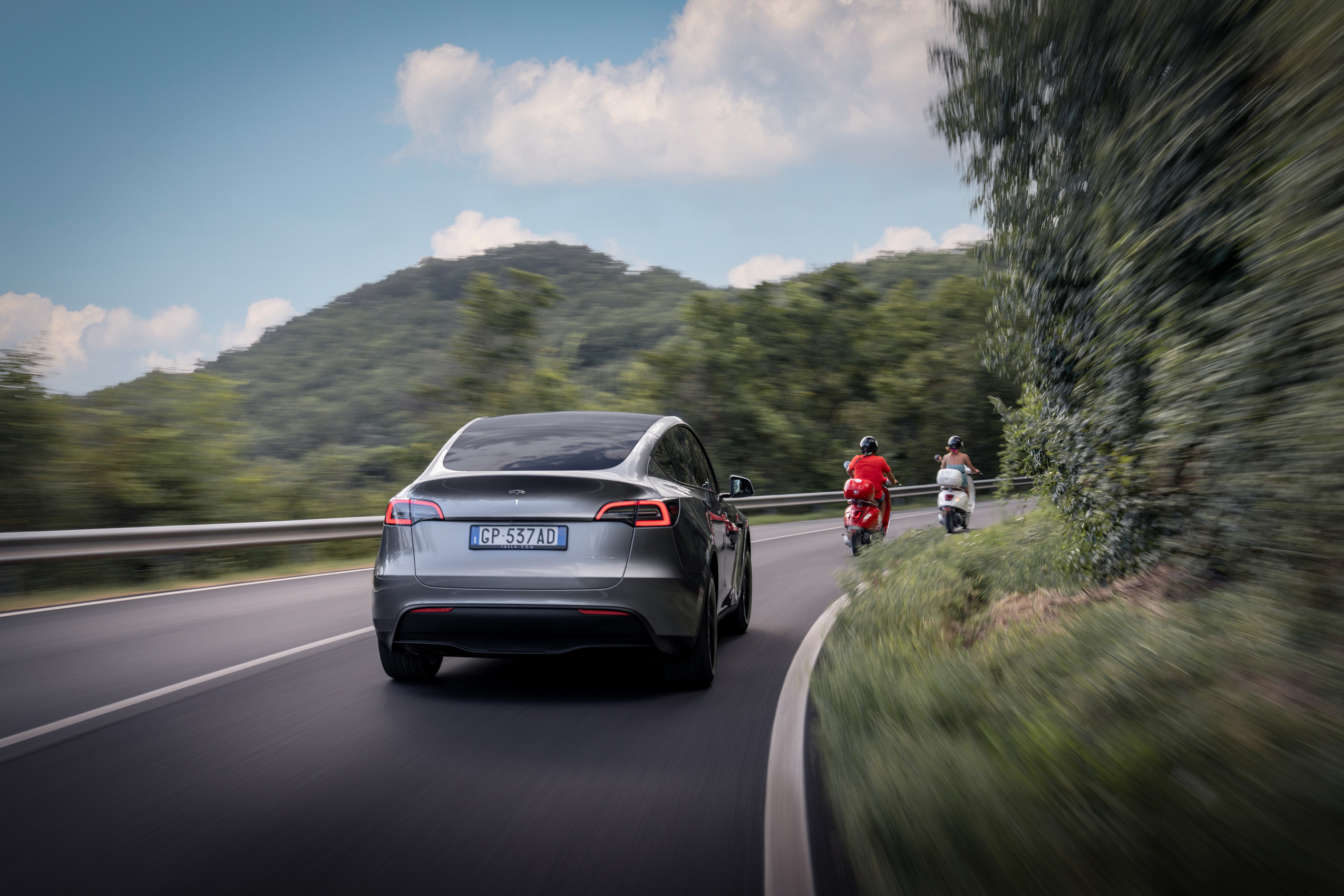
On any used EV the battery is the engine, the gearbox and the resale value rolled into one, so check it properly. Tesla builds a battery health test into the car: on the touchscreen go to Controls, then Service, then Battery Health Test, plug into an AC charger and let it run (tesla.com/en_gb). It deep-cycles the pack and reports usable capacity, which is the single most useful number a private seller can hand you. Ask for a screenshot of a 100% charge showing the rated range, and compare it to the original figure for that trim and year.
Then ask the blunt ownership questions: what daily charge limit did they use, how often did they Supercharge, and was the car parked outside in extremes. A Model Y that lived between 20 and 80% on home AC will usually be healthier than one rapid-charged to 100% twice a day. None of this guarantees a perfect pack, but a clean answer plus a strong on-screen health figure is the reassurance you are paying for. For the rules on what the manufacturer cover actually protects, our guide to how EV battery warranties work spells out the degradation thresholds Tesla will and will not honour.

Warranty transfer and what carries over to you
This is where the used Model Y quietly shines. Tesla’s UK Basic Vehicle Limited Warranty runs four years or 60,000 miles, and the Battery and Drive Unit Limited Warranty runs eight years or 120,000 miles on Long Range and Performance cars (100,000 miles on the standard-range RWD), per Tesla’s UK support pages. Crucially, both transfer with the car to you as the next owner for the balance of the term. A 2024-registered car bought now still has roughly two years of basic cover left and battery cover running to around 2032. That is real protection a petrol rival of the same age cannot match.
The one thing that may not transfer is paid software. Enhanced Autopilot and Full Self-Driving Capability are tied to the car’s VIN and usually stay on a straightforward private sale, but Tesla does not guarantee they carry over once a car has passed through a leasing company or a dealer, which is exactly the route an ex-lease Model Y has taken. Our view: never pay extra for a listing that claims to include those features. Check the car’s own profile in the Tesla app, or confirm with Tesla directly, before a penny changes hands. Running costs are the other half of ownership, and our breakdown of why Tesla insurance costs run high is worth reading before you commit, because premiums can surprise first-time owners.
Ex-lease and cyber-era checks worth doing
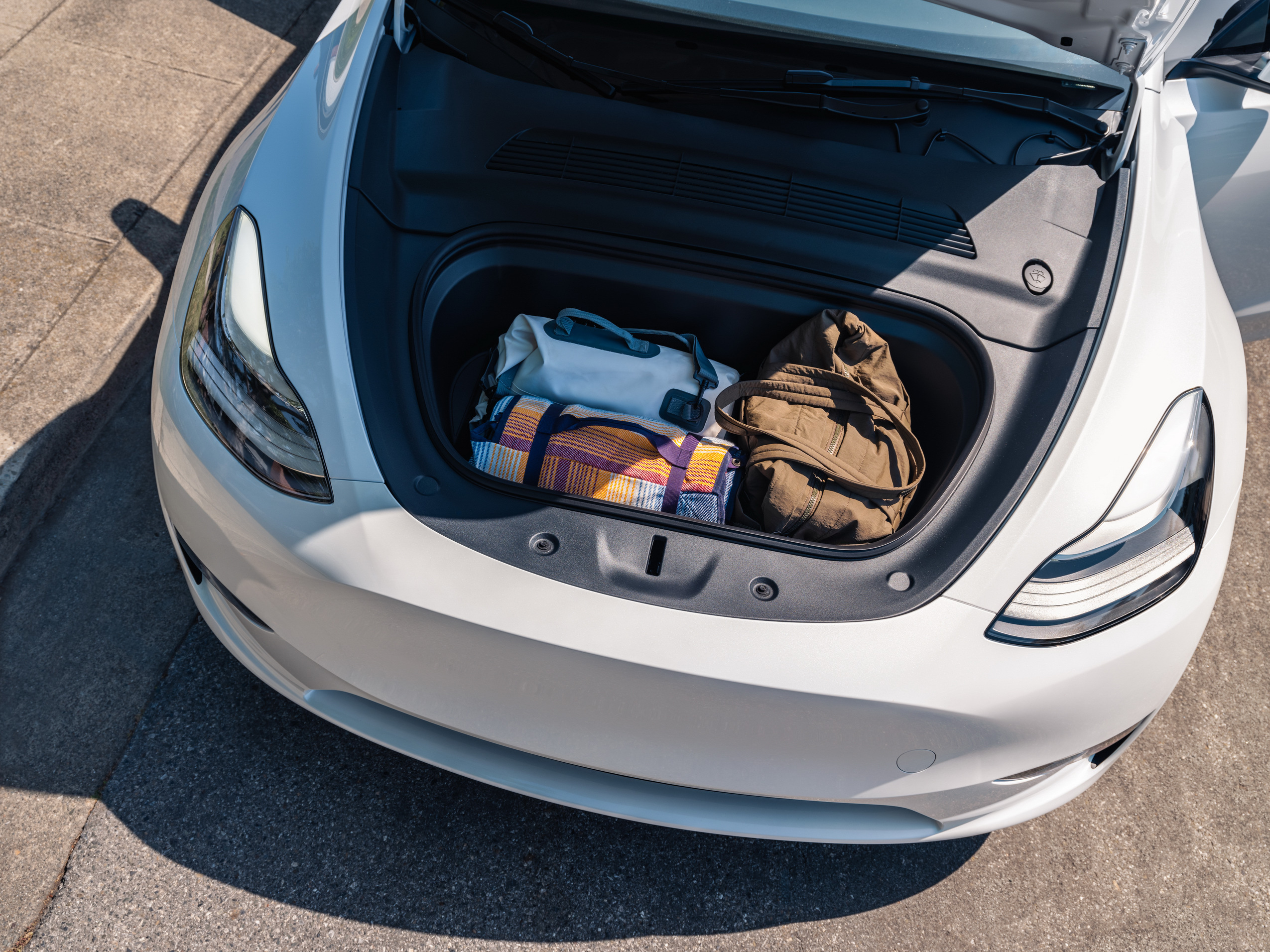
An ex-lease car is not a bad car, but it has lived a fleet life, so inspect accordingly. Look hard at the tyres, because a 2.0-tonne EV with instant torque chews them, and a fresh set is several hundred pounds. Check the alloys for kerb damage, the front bumper and boot lip for car-park scrapes, and the seats for wear consistent with the mileage. Confirm the car is on current software and that no open service actions are flagged in the app. Tesla’s over-the-air updates mean an older car can run the latest software, which is a genuine plus over a conventional used car that is frozen at the spec it left the factory with.
One Tesla-specific trap: account access. The car must be fully removed from the previous owner’s Tesla account and added to yours, or you will not get app control, sentry footage or remote functions. A reputable dealer handles this; a private seller must do it in front of you. The pre-facelift Model Y also rides firmly, so take a proper test drive over poor surfaces rather than a smooth showroom forecourt. If the ride genuinely bothers you, that is an argument for the Juniper car, not a reason to haggle harder on this one.
Pre-deposit checklist: where to look before you buy
Do the unglamorous homework before you hand over a deposit. Run these checks in order:
- Check the free GOV.UK MOT history for any advisories (a 2024 car will only just be due its first MOT, so a clean or empty record is normal).
- Run the registration through the DVSA vehicle recall service to confirm no outstanding safety work.
- Buy an HPI-style provenance check to rule out outstanding finance, an insurance write-off or a mileage discrepancy.
- Compare the asking price against live Auto Trader Model Y listings for the same trim, year and mileage band.
- Get the in-car battery health test result and a 100% charge screenshot in writing.
- Confirm in the Tesla app exactly which paid software features are attached to the VIN.
Our take: the value pick of 2026
For most UK families wanting a long-range electric SUV without the new-car premium, a used Tesla Model Y is the value pick of 2026. The pre-Juniper car gives you the same battery, the same Supercharger network and transferable warranty cover, for thousands less than the facelift, and a two-year-old Long Range that has already lost close to half its value is doing the hard work for you. Buy a 2024 Long Range AWD in the high £20,000s with a strong battery-health reading, full app control transferred and no software fairy tales, and you have a genuinely smart purchase. Walk away if the seller cannot show the battery test, if account access is unresolved, or if the ride is a dealbreaker for you, in which case stretch to the calmer Juniper car. It is not flawless: the ride is firm, wind noise is real and insurance can sting. But on cost-per-mile and warranty reassurance, little else in our used-car buying guides comes close at the money.
Our score: 8.5/10
This article is general guidance for UK buyers and not personalised financial or purchasing advice. CDE has not inspected or driven the individual vehicle you are considering; always commission an independent inspection and verify warranty, software and battery status with Tesla before purchase. Last checked: 10 June 2026.
Does the Tesla warranty transfer when I buy used?
How do I check the battery health on a used Model Y?
Do Enhanced Autopilot and Full Self-Driving transfer on an ex-lease car?
Why are pre-Juniper Model Y prices so low?
Is a used Tesla Model Y cheaper than a new one?
How we researched this guide
Every pick here is shortlisted from hands-on testing and time spent living with the hardware by the CDE desk, then sanity-checked against current UK pricing, manufacturer specs and real-world performance before it makes the cut. We never rank for commission — affiliate links don't change the order.
Buyer action
Where to check next
Use this as the final check before paying a deposit, signing finance paperwork or relying on a headline monthly figure.