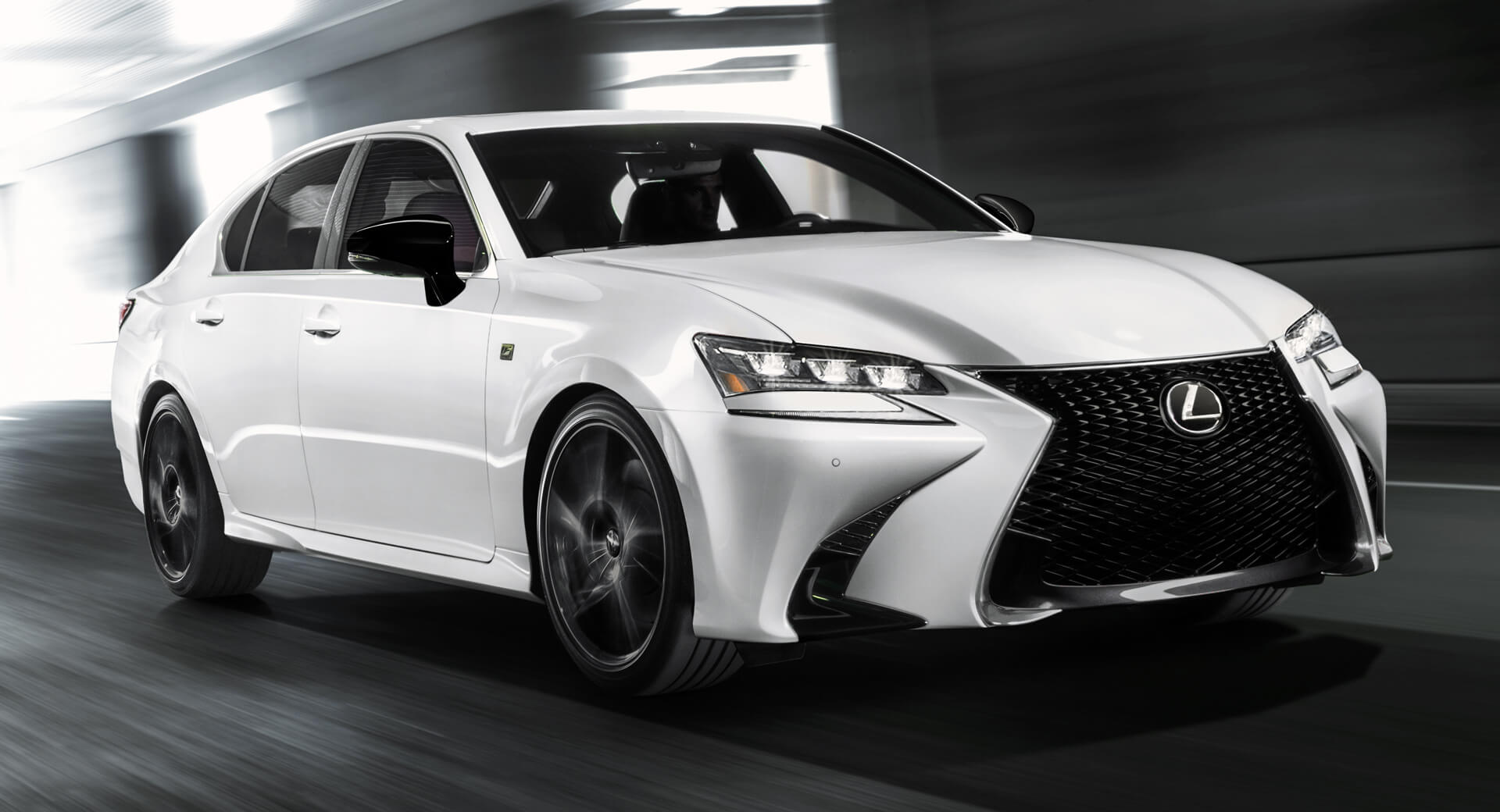
A Lexus GS used as a depreciated executive saloon is one of the quietest bargains on the UK forecourt right now, with clean L10 cars (2012 to 2018) running from roughly £10,000 to £22,000 and the rare GS F V8 sitting higher. You get Lexus build quality, a hybrid drivetrain that rarely breaks, and running costs a German rival cannot match. Our view: buy the boring paperwork, not the badge story, and the GS makes a same-money BMW 5 Series or Audi A6 look like a gamble.
What real owners say (CDE data)
For this guide we read Honest John owner reviews and Real MPG returns, the What Car? used reliability verdict for the 2012 to 2018 GS, Lexus UK’s own recall record, and PistonHeads and Lexus Owners Club owner-forum threads on the 300h, 450h and GS F. We have not driven this specific car; the themes below are owner-reported, cross-checked against published survey and recall data.
- Most-praised: drivetrain dependability, cabin material quality and dealer service experience come up again and again across owner reviews.
- Most-criticised: the mouse-and-pad infotainment, a firm ride on F Sport’s 19-inch wheels, and a boot shrunk by the hybrid battery.
- Reliability signal: Honest John Real MPG shows GS owners averaging about 88% of the official figure across 387 submissions, and What Car? records no official UK recall for the L10 GS, with Lexus repeatedly topping its brand reliability survey.
Why the L10 generation is the sweet spot
The fourth-generation GS (chassis code L10) ran in the UK from 2012 to 2018, with a mild facelift in 2016 that sharpened the spindle grille and added LED lighting. This is the only GS most British buyers should consider now, because it pairs the modern hybrid drivetrain with a cabin that still feels current and parts that are still easy to source. Earlier GS generations are cheaper but lack the efficiency and the safety kit, and the model died in 2018 when Lexus folded executive-saloon demand into the ES and the SUV range. That discontinuation is exactly why values have softened: there is no new GS to anchor residuals, so depreciation has done the hard work for you. A car that cost north of £45,000 new now changes hands for the price of a mid-spec supermini, and the engineering underneath has not aged the way the price has.
GS 300h versus GS 450h: which hybrid to choose
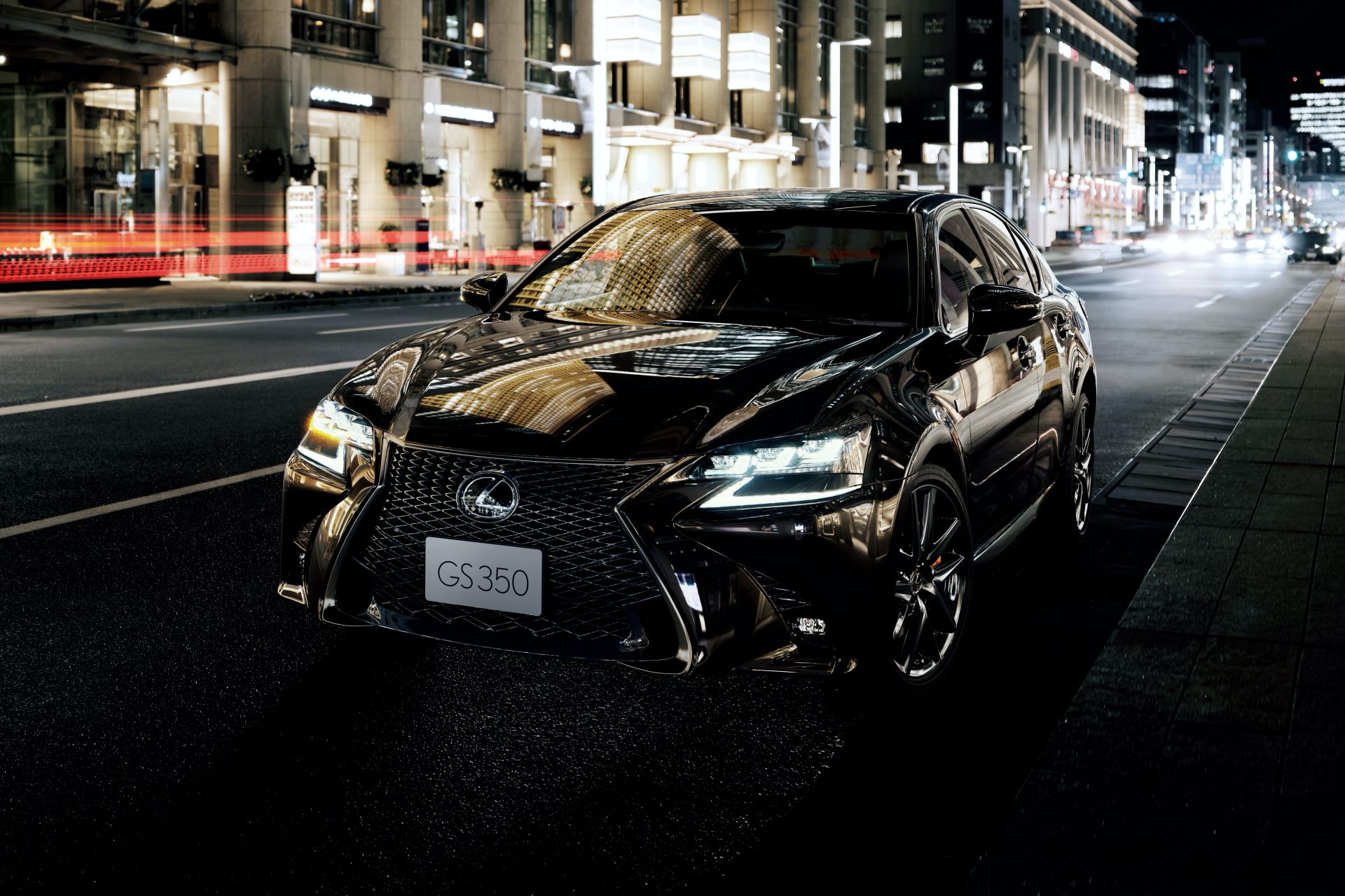
Two hybrids cover the bulk of the UK market. The GS 300h pairs a 2.5-litre four-cylinder petrol engine with an electric motor for around 220 PS, a 0 to 62 mph time near 9.2 seconds, and an official combined figure up to 64.2 mpg with CO2 from 104 g/km. The GS 450h is the connoisseur’s pick: a 3.5-litre V6 and a bigger motor for a combined 345 PS, 0 to 62 mph in 5.9 seconds, official economy around 46.3 mpg and CO2 of 141 g/km. The 300h is the company-tax-friendly, big-mileage cruiser; the 450h is genuinely quick and smoother still, at the cost of fuel and road tax. If your annual mileage is high and you want the lowest running cost, the 300h wins. If you value performance and refinement and do fewer miles, the 450h is the one we would stretch for. There is no diesel and no plug-in, which is a feature, not a bug, for a UK buyer wary of DPF and AdBlue bills.
The GS F V8: the depreciated hero
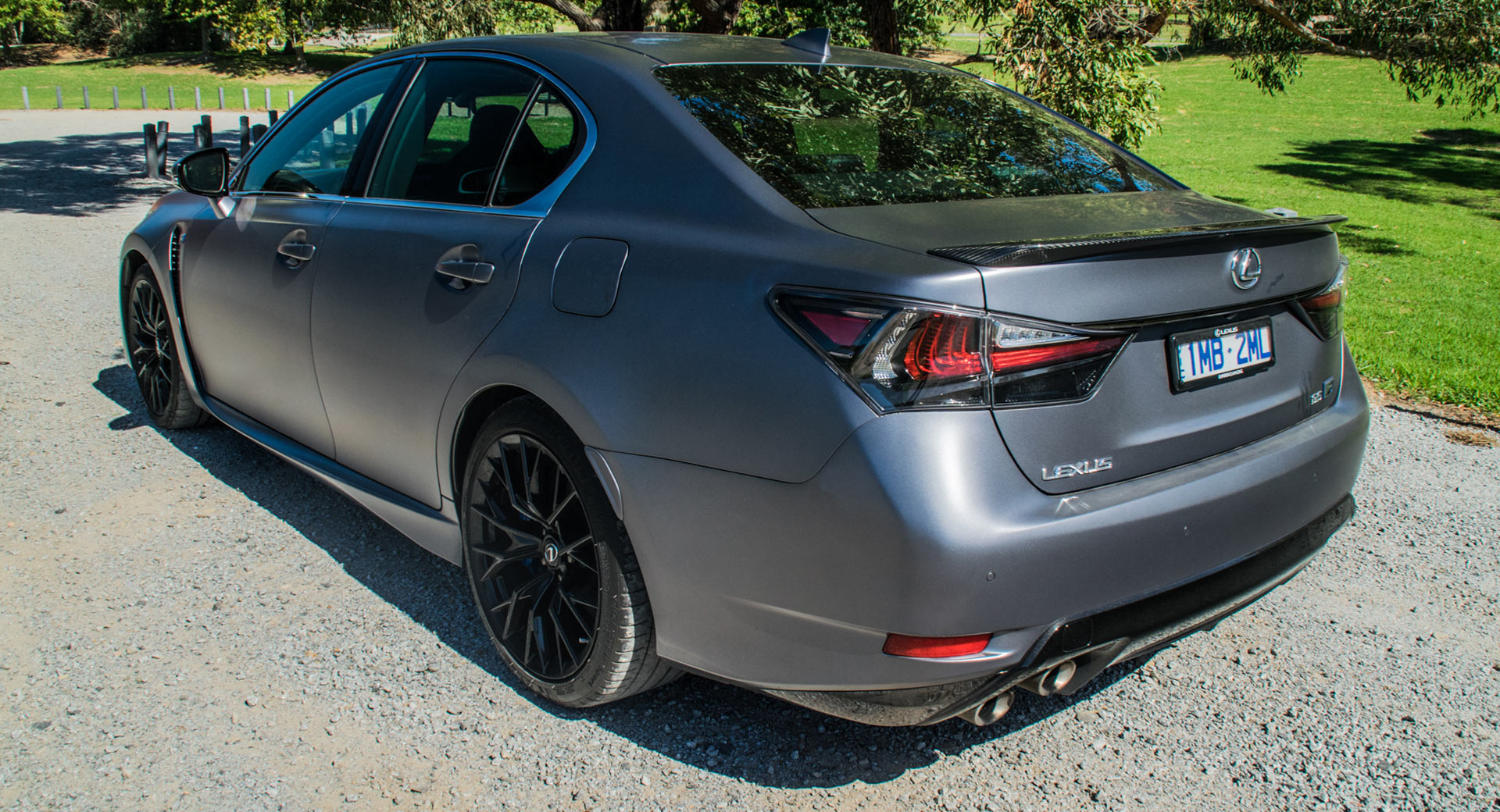
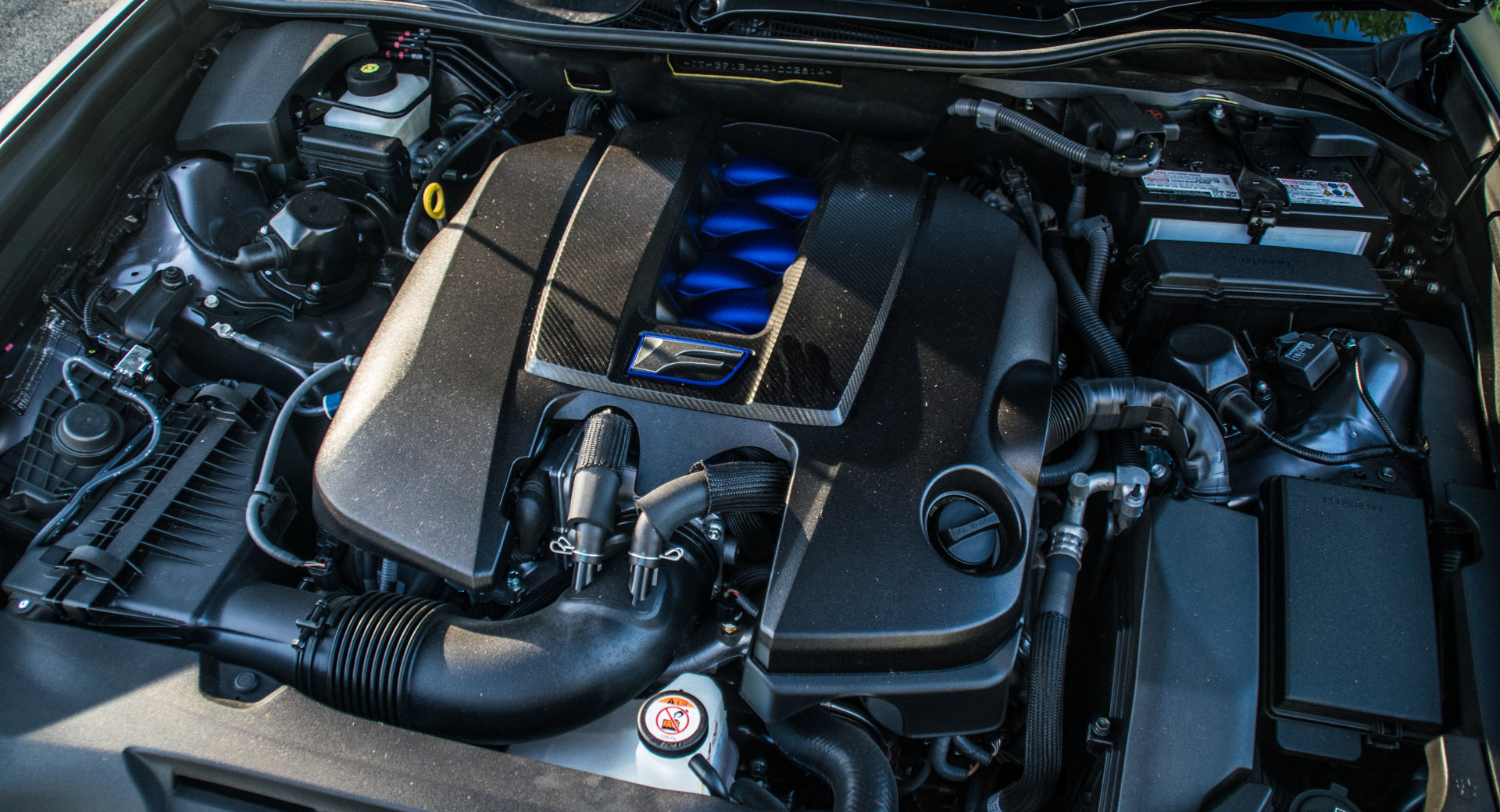
The GS F is the reason enthusiasts still talk about this car. It drops the hybrid for a naturally aspirated 5.0-litre V8 (the 2UR-GSE shared with the RC F), producing 477 PS, revving past 7,000 rpm, and reaching 62 mph in 4.6 seconds with no turbo lag and a soundtrack that German rivals muffle behind synthesised noise. It is rare in the UK, so it commands a premium over the hybrids, but against a used BMW M5 or Mercedes-AMG E 63 it is both cheaper to buy and far cheaper to keep, because the engine has no turbos, no high-pressure fuel-pump dramas and a reliability record the German V8s envy. The trade-offs are obvious: economy in the mid-20s mpg, a firm ride and a chassis tuned for control rather than outright drift theatre. If you want a usable, dependable V8 super-saloon for the price of a warm hatch, the GS F has few honest rivals. For a similar low-stress-V8 logic on a coupe, our Lexus LC 500 used buying guide makes the same case.
What actually goes wrong
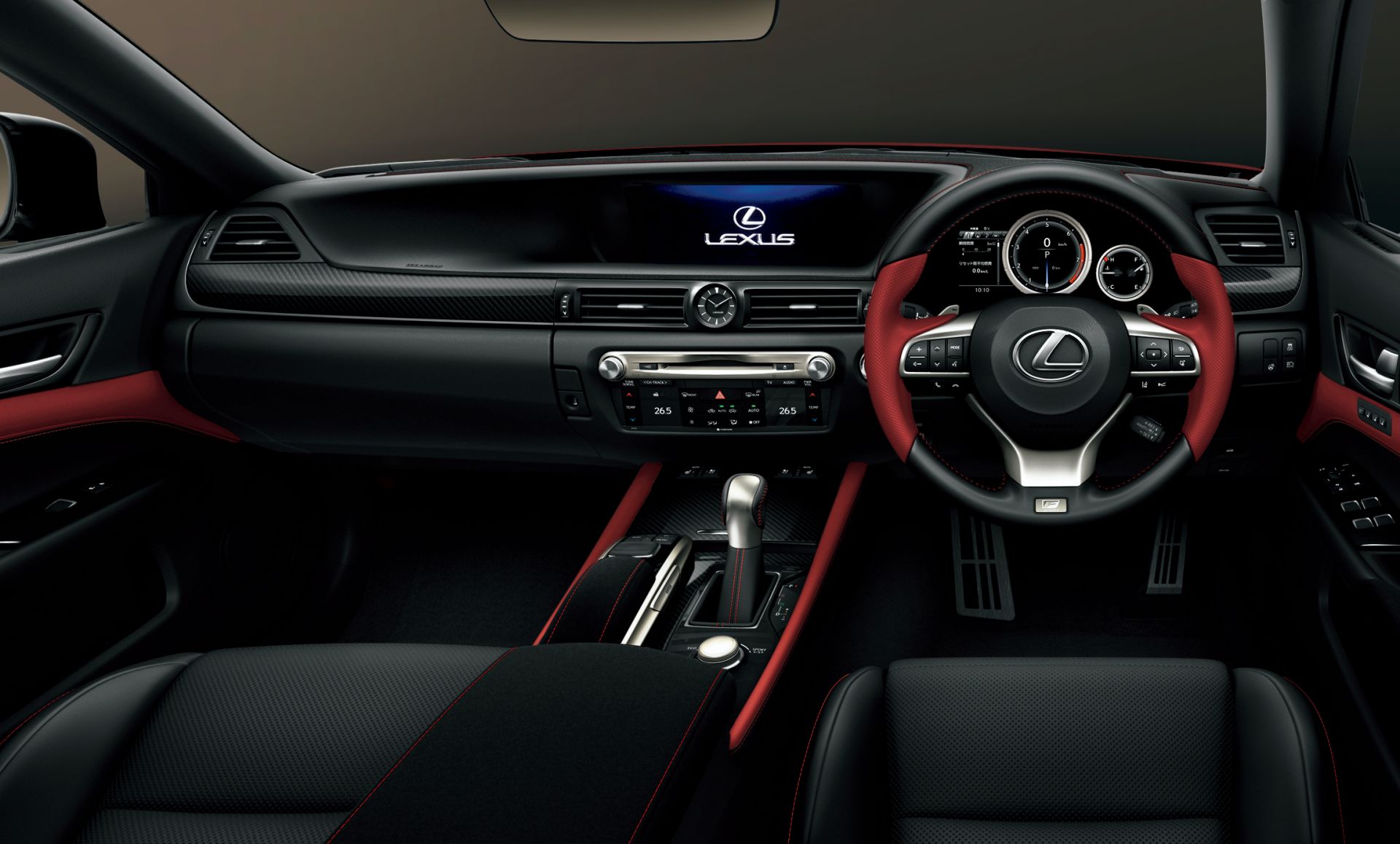
Very little, which is the point. The L10 GS carries no official UK recall on What Car?’s record, and owner reviews rarely report a drivetrain failure. The complaints that do recur are minor: the early pre-facelift infotainment uses a fiddly mouse controller that owners dislike, the F Sport’s 19-inch wheels and low-profile tyres give a firmer ride and pricier rubber, and the hybrid battery pack eats into boot space (451 to 482 litres versus 530 for a 5 Series). Watch for kerbed alloys and tyre wear on F Sport cars, check the brakes are bedding properly given regenerative braking masks pad wear, and confirm the infotainment and reversing camera work, as out-of-warranty screen replacements are not cheap. None of this is structural; it is the normal used-car checklist, just shorter than you would write for a German rival of the same age. The Mercedes diesel saloon in our Mercedes E-Class W213 used buyer’s guide needs a far longer fault list at the same money.
The hybrid battery health question
The single biggest anxiety for a Lexus GS used buyer is the hybrid battery, and the honest answer is that it is rarely the problem people fear. Lexus full hybrids do not plug in; the high-voltage pack is charged on the move and kept within a conservative state-of-charge window, which is why these batteries routinely cover 150,000 miles and more. There is no expensive degradation curve to track like a pure EV, and a main-dealer Hybrid Health Check (included free with a Lexus service) will read the battery’s condition and flag any weak cells before you buy. Crucially, that annual Hybrid Health Check extends the hybrid battery and component warranty for up to 15 years with unlimited mileage under the Lexus Relax programme, so a car with unbroken Lexus service history effectively comes with rolling battery cover. That is a stronger ownership safety net than almost any rival hybrid offers, and the same logic that makes the SUVs in our Lexus RX 450h used buying guide so dependable applies to the GS.
What to check on a Lexus GS used buy
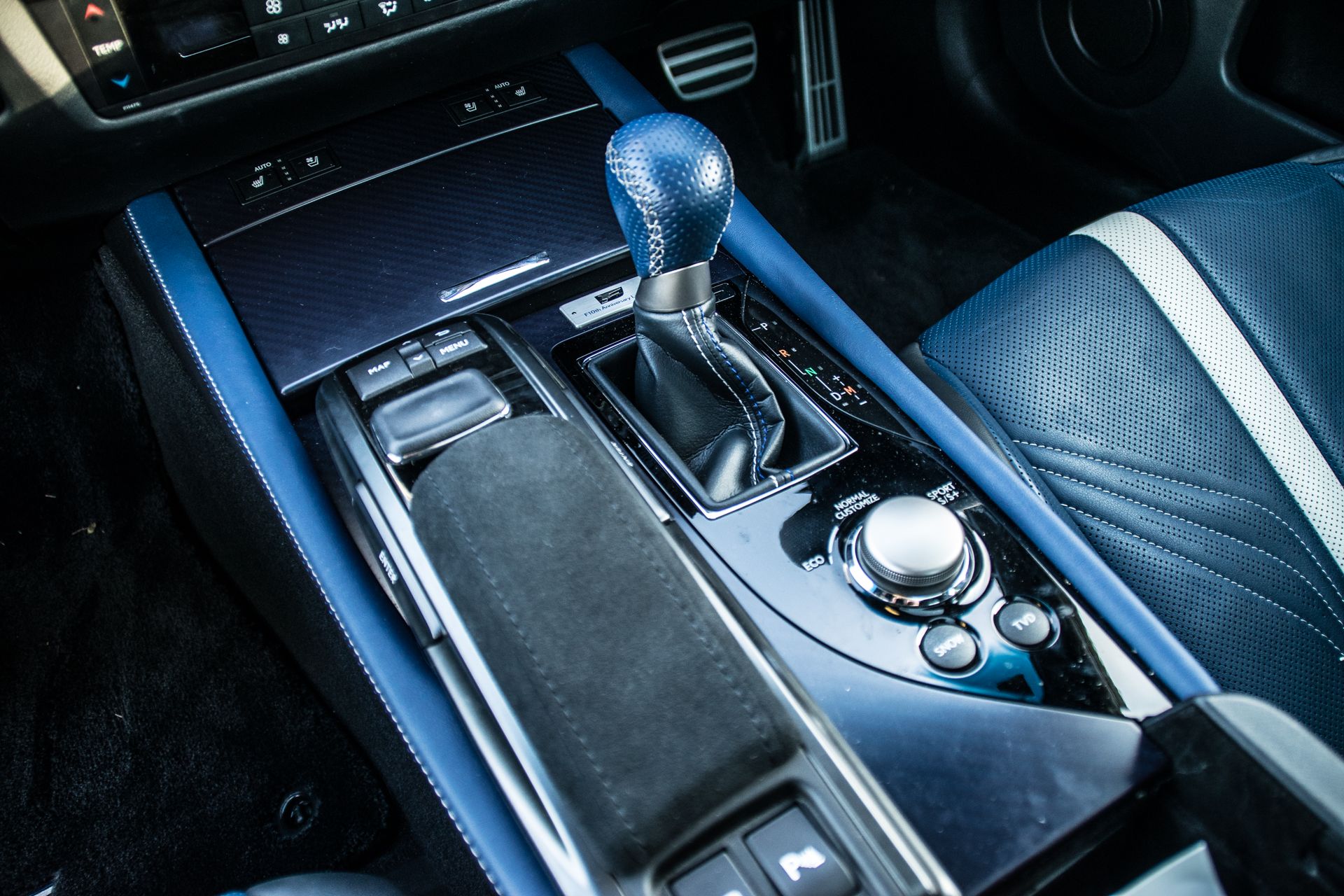
The check that matters most is service history. A full Lexus main-dealer record is worth paying extra for, because it keeps the hybrid warranty alive and proves the car has had its annual hybrid health check. Run a free DVSA recall lookup on the registration at gov.uk, even though the L10 has a clean sheet, and an HPI check for outstanding finance or write-off markers. Read the V5C against the VIN, confirm two keys, and on an F Sport or GS F inspect tyres, brakes and alloys closely as these wear faster and cost more. Sit in the car and use the infotainment before you commit; the pre-2016 mouse controller is a love-or-hate item. For the quieter four-cylinder cabin experience in saloon form, our Lexus ES used buyer’s guide covers the model that effectively replaced the GS, and buyers cross-shopping a tall hybrid should read our Lexus NX used buyer’s guide too.
Running costs that beat a German rival
This is where the GS wins the argument. Honest John Real MPG data has GS owners returning around 88% of the official figure, far better than the typical hybrid claim-to-reality gap, with 300h owners averaging about 45.7 mpg and 450h owners about 38.7 mpg in real use. Servicing at a Lexus main dealer is competitive and the cars rarely throw the surprise bills that haunt an equivalent BMW 5 Series or Audi A6 at the same age and mileage, where air suspension, turbo and DPF repairs lurk. Road tax sits in a sensible band for the hybrids thanks to the low CO2, the brakes last longer because regenerative braking does much of the slowing, and insurance groups are reasonable for the 300h and 450h. The GS F is the exception: it is a V8 super-saloon, so budget accordingly for fuel, tyres and insurance, but even then it undercuts the running costs of a used M5. For a sense of how strong Lexus residual logic runs across the range, our Lexus LS 500h used guide tells the same depreciated-flagship story.
Cited specs: GS 300h, GS 450h and GS F
| Spec | GS 300h | GS 450h | GS F |
|---|---|---|---|
| Engine | 2.5 4-cyl hybrid | 3.5 V6 hybrid | 5.0 V8 |
| System power | ~220 PS | 345 PS | 477 PS |
| 0-62 mph | ~9.2 s | 5.9 s | 4.6 s |
| Combined mpg (official) | up to 64.2 | 46.3 | ~25.2 |
| CO2 (g/km) | from 104 | 141 | 260 |
According to What Car?’s used Lexus GS reliability verdict, there have been no official UK recalls for the 2012 to 2018 GS, and Lexus has repeatedly finished top of the title’s brand reliability survey, which is the strongest single data point a used buyer can lean on.
How the GS fits a UK premium shortlist
For a UK buyer comparing a 2015 GS 300h against a same-money BMW 5 Series or Audi A6 of the same year, the calculation is straightforward. The German cars drive a touch sharper and have bigger boots and a deeper used parts network, but they also carry the repair bills and the slightly nervier reliability that make a five-year-old German executive saloon a roll of the dice. The GS counters with a near-spotless reliability record, lower real-world running costs, rolling battery warranty cover with main-dealer service, and a cabin that still feels special. You browse the used buying guides on CDE precisely to find the car that costs you least in surprises, and on that test the GS scores unusually well. It is not the obvious badge, and that is exactly why it is the value play.
Our take
A Lexus GS used as a daily executive saloon is one of the smartest low-anxiety buys in the UK premium-used market, and our recommendation is specific. If you cover serious mileage and want the cheapest running costs, buy a 2016-on GS 300h with full Lexus history at £12,000 to £18,000. If you do fewer miles and want effortless pace, stretch to a 450h and enjoy a 345 PS V6 that will outlast most rivals. If you want a usable, dependable V8 for super-saloon money, the GS F is a genuine left-field hero, just budget for fuel and tyres. The risk that would flip our advice is a car with gaps in its Lexus service record, because that breaks the rolling hybrid battery warranty and removes the very thing that makes the GS safer than a German alternative. The strongest buy here is the one with boring paperwork and a clean recall sheet, not the showiest spec.
Is a Lexus GS used a reliable buy in 2026?
Should I buy the GS 300h or the GS 450h?
How long does the Lexus GS hybrid battery last?
How much does a used Lexus GS cost in the UK?
What should I check before buying a used Lexus GS?
Is the Lexus GS better value than a BMW 5 Series or Audi A6?
How we researched this guide
Every pick here is shortlisted from hands-on testing and time spent living with the hardware by the CDE desk, then sanity-checked against current UK pricing, manufacturer specs and real-world performance before it makes the cut. We never rank for commission — affiliate links don't change the order.
Buyer action
Where to check next
Use this as the final check before paying a deposit, signing finance paperwork or relying on a headline monthly figure.
Editorial standards
More on Used Buying Guide

Buying Guides
BMW Z4 G29 used: which roadster engine to buy

Buying Guides
BMW 4 Series G22 used: which engine and year to buy
Buying Guides