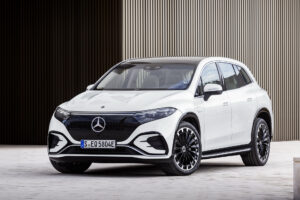
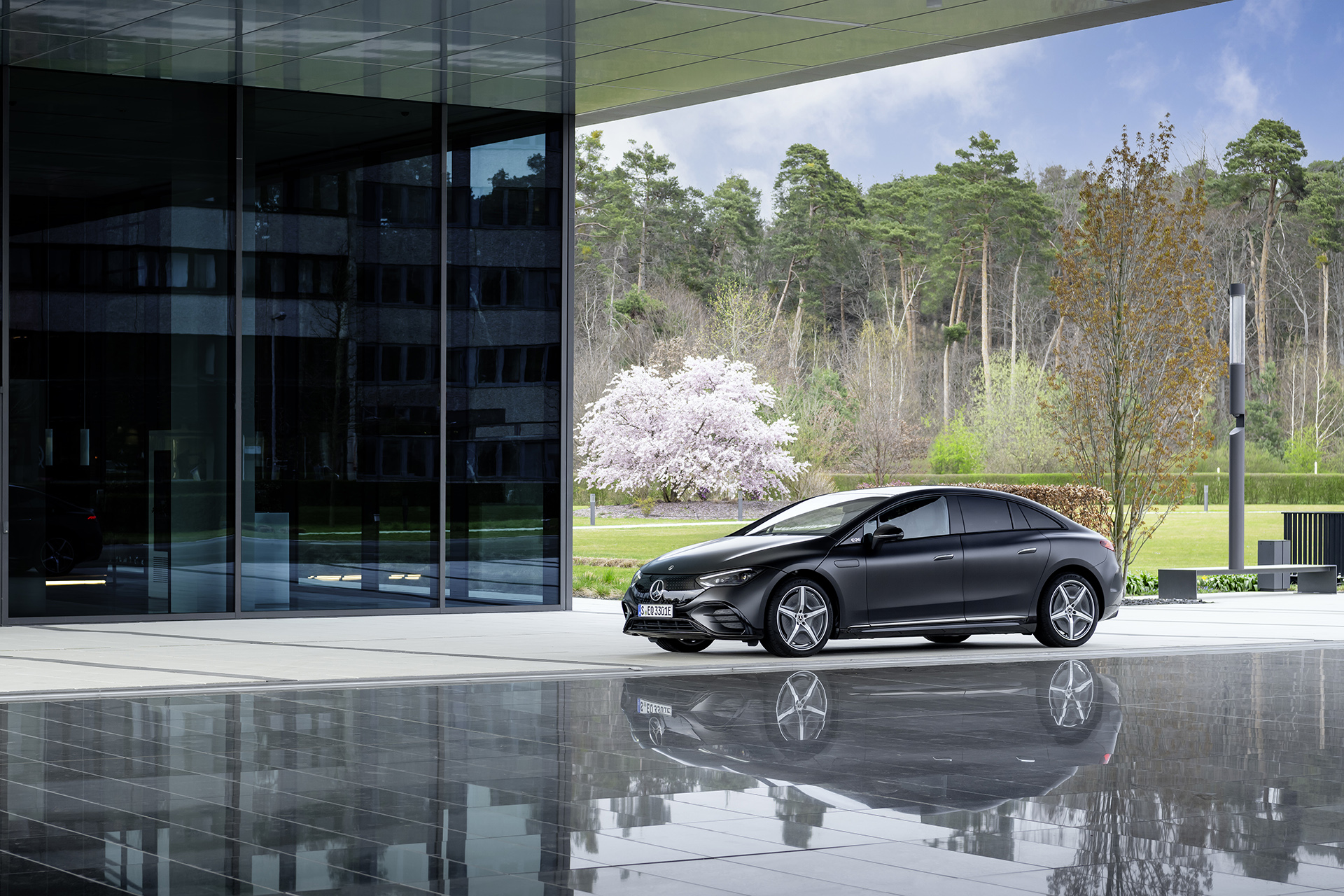
For a limited-company director, director salary sacrifice is one of two clean routes to a premium electric Mercedes-EQ, the other being the company buying the car outright. The taxable benefit is identical on both, so the real decision sits with VAT, corporation-tax relief and how you actually pay yourself. This guide works the numbers on a Mercedes-EQ EQE and tells you which route suits which director.
What real owners say (CDE data)
This comparison is built from primary tax sources, not a road test: HMRC’s company-car appropriate-percentage tables, the gov.uk capital-allowances and corporation-tax pages, VAT Notice 700/64, and the published eligibility rules for the Octopus EV salary-sacrifice scheme, all checked on 6 June 2026. We have not driven this specific Mercedes-EQ EQE, so any running impression here is sourced, not first-hand.
- What works for directors: the low 4% benefit-in-kind charge on an electric car, the simplicity of a single payroll deduction on the sacrifice route, and the way a brand-new EQE becomes affordable for a higher-rate director who would balk at the cash list price.
- Where directors get caught: early-exit charges if the director leaves or winds the company up mid-term, charging and insurance not always bundled into a scheme lease, and confusion over whether a low-salary, high-dividend director can sacrifice at all.
- Eligibility signal: per Octopus EV’s published rules, sacrifice needs a PAYE contract and pay that stays above the National Minimum Wage after the deduction, which is the single most common reason a director cannot use the route.
The two routes a director actually has
A director who wants a premium EV through the business has two mainstream options. Route one is salary sacrifice: you give up an agreed slice of gross pay each month and the company leases the car for you, usually through a scheme provider such as Octopus EV, Loveelectric or Tusker. Route two is the company buying the car outright as a company car, paid for in cash or on finance and owned on the balance sheet. Both put a Mercedes-EQ EQE on your driveway and both trigger a benefit-in-kind charge, but the tax mechanics underneath them differ sharply. The cross-over with a plain personal lease matters too, which is why our breakdown of business contract hire versus personal lease is a useful companion read before you commit.
Benefit-in-kind: the same charge either way
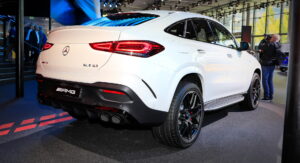
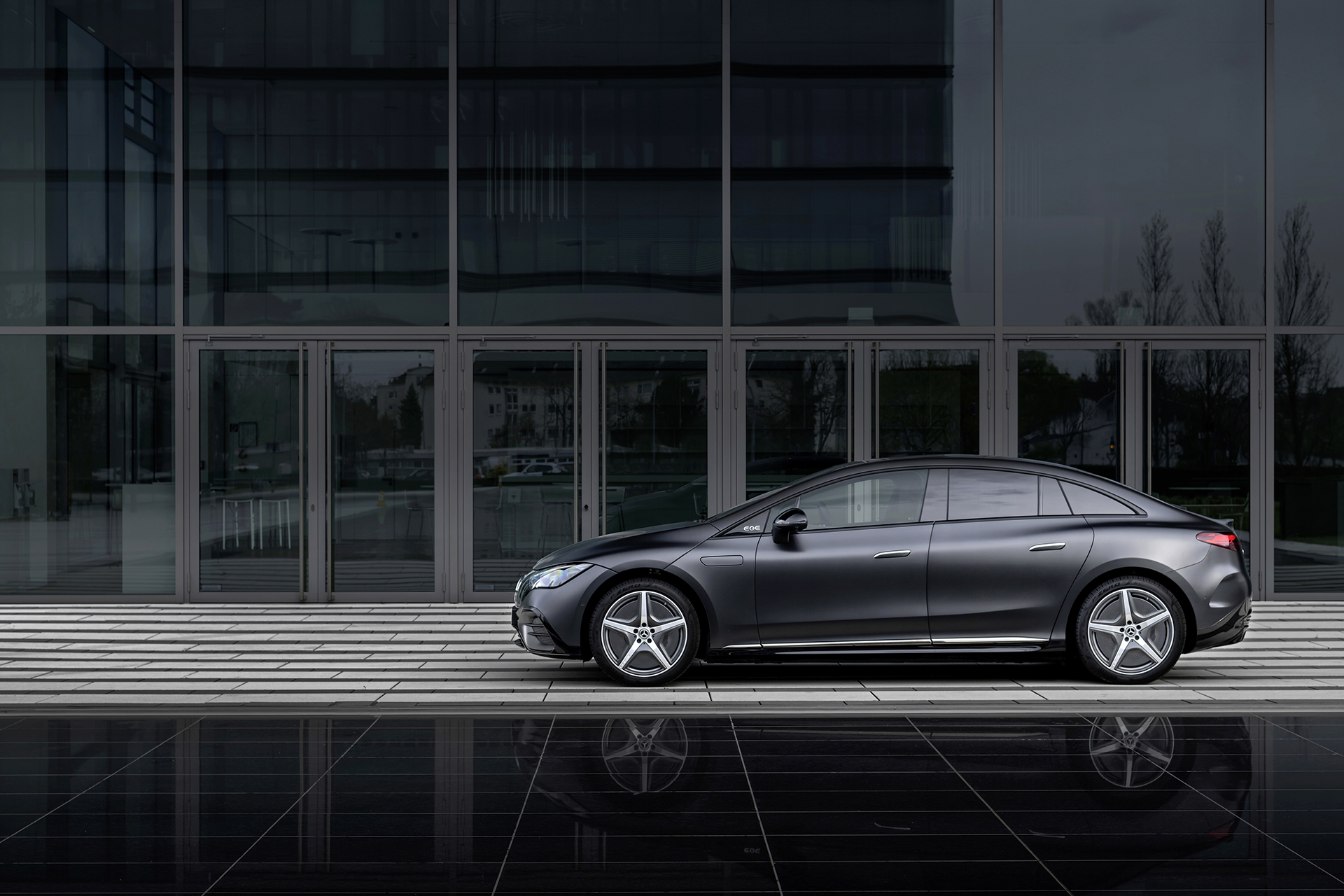
This is the point most directors get wrong. Whether the car arrives by sacrifice or by company purchase, the benefit-in-kind charge on a fully electric car is the same: P11D value multiplied by the appropriate percentage. Per HMRC’s published appropriate-percentage tables (checked 6 June 2026), the zero-emission rate is 4% for the 2026/27 tax year. On a Mercedes-EQ EQE 300 with a P11D of roughly £68,800 (Mercedes-Benz UK list pricing, checked 6 June 2026), the taxable benefit is £2,752 a year. A 40% taxpayer therefore pays about £1,101 in income tax on the car each year, and the company pays Class 1A National Insurance on the same £2,752. Electric cars are exempt from the optional-remuneration rules, so on a sacrifice you are taxed on that 4% benefit, not on the salary you gave up. The benefit line is a wash between the two routes; the decision is made elsewhere. For a model-specific worked example on the same maths, our Mercedes EQE SUV salary sacrifice breakdown runs the BiK, P11D and net monthly cost in full.
Salary sacrifice: the payroll route and its NI win
Salary sacrifice works by reducing your gross pay before income tax and National Insurance are calculated, so you save tax and employee NI at your marginal rate on the sacrificed amount. For a higher-rate director that is 40% income tax plus 2% NI on the slice given up. The company also saves employer NI at 15% on the reduced salary, per HMRC’s 2026/27 employer rates (checked 6 June 2026); many schemes pass that saving back into the lease to cut the headline cost. On an illustrative EQE sacrifice of around £780 a month gross (used here purely to show the mechanics; your own scheme quote will differ), the director shields roughly £3,900 of tax and NI a year, and the company saves about £1,400 in employer NI. The catch is eligibility: sacrifice cannot drop your pay below the National Minimum Wage, and most schemes require you to be paid through PAYE. A director drawing a token salary and the rest in dividends often cannot sacrifice enough to fund a premium car, which is exactly where route two earns its place. If you are weighing this against a cash top-up instead, our piece on salary sacrifice versus a car allowance sets out the trade-off.
Buying it outright: 100% First Year Allowance and the cash-flow case
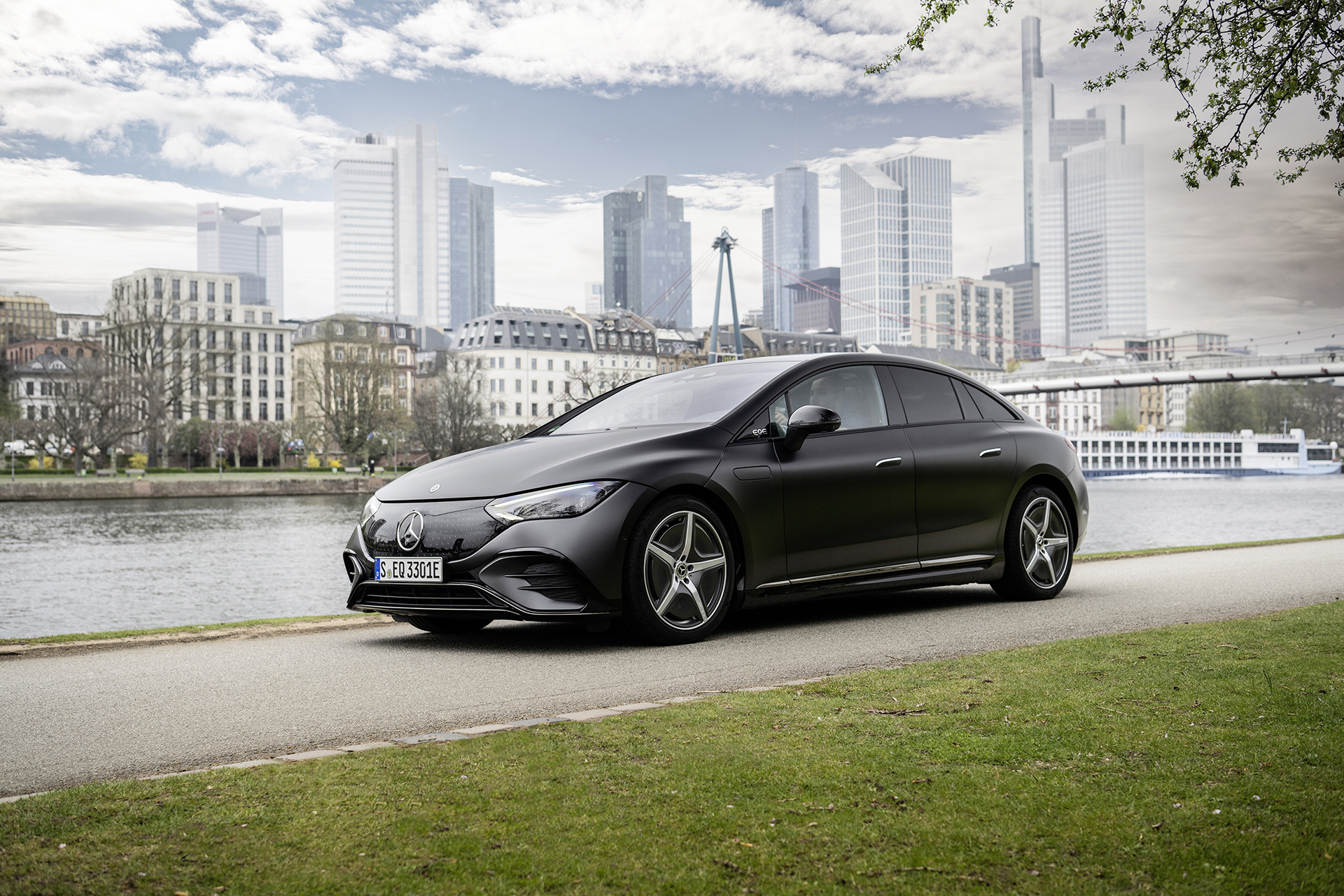
When the company buys a new, unused fully electric car outright, it can claim a 100% First Year Allowance, deducting the full cost from taxable profit in the year of purchase. Per gov.uk capital allowances for business cars (checked 6 June 2026), this relief is available on new zero-emission cars bought before April 2027, after which they drop into the 14% main-rate writing-down pool. On a £68,800 EQE that first-year deduction is worth roughly £17,200 in corporation tax at the 25% main rate (gov.uk corporation tax rates, checked 6 June 2026; the small-profits rate is 19% and marginal relief applies between £50,000 and £250,000 of profit). That is a large, immediate cash-flow swing a sacrifice lease does not give you. The trade-off is that the company now owns a depreciating asset, carries the disposal and insurance admin, and a director-shareholder who later sells or scraps it deals with a balancing charge. For an owner-managed company sitting on retained profit, that upfront relief can be the deciding factor.
VAT: the cleanest dividing line
VAT is the cleanest dividing line. On an outright purchase, a VAT-registered company generally cannot recover any of the input VAT if the car is available for private use, which a director’s car almost always is. Per HMRC VAT Notice 700/64 (checked 6 June 2026), full recovery is reserved for stock, taxis, self-drive hire and driving instruction, not a director’s daily driver. On a lease, including the lease that sits inside a sacrifice scheme, the company can normally recover 50% of the VAT on the finance element, the other half blocked to cover private use. That 50% recovery quietly tilts the running economics toward the leased sacrifice route, while the purchase route leans on the First Year Allowance instead. Neither is universally cheaper; they win on different levers, which is why the worked table below matters more than any single headline figure.
Director salary sacrifice versus company purchase: the worked comparison
The table sets the two routes side by side on a Mercedes-EQ EQE 300 at a £68,800 P11D, for a higher-rate (40%) director in 2026/27. Every rate cell carries its source. Treat the lease and sacrifice figures as representative provider bands, not a fixed quote, and recompute with your own scheme numbers before you sign.
| Factor | Salary sacrifice | Company purchase (company car) |
|---|---|---|
| How the car arrives | Company leases it; you sacrifice gross pay | Company buys it outright (cash or finance) |
| BiK benefit (P11D x 4%, 2026/27) | £2,752/yr | £2,752/yr |
| Director income tax on BiK (40%) | £1,101/yr | £1,101/yr |
| Class 1A NIC on BiK (15%, company pays) | £413/yr | £413/yr |
| Corporation-tax relief | Lease payments deductible as incurred | 100% First Year Allowance, ~£17,200 CT saving year one |
| VAT recovery | 50% on the lease finance element | Blocked (private use available) |
| Employer NI saving on sacrifice (15%) | ~£1,400/yr | None |
| Who owns the car | The scheme/lessor | The company (balance-sheet asset) |
| Best suited to | Directors on a real PAYE salary above NMW | Profitable companies with cash and low director salary |
The 100% relief on new electric cars is time-limited to purchases before April 2027, so the company-purchase advantage has a closing window. A director still weighing finance structures should also read our explainer on company car tax for 2026/27 and the EV BiK rates, which sets out how the appropriate percentage climbs in later years.
Who each route actually suits
The honest answer depends on how you pay yourself. A director who draws a genuine PAYE salary comfortably above the National Minimum Wage gets the full sacrifice benefit: marginal-rate income tax and NI relief on the slice given up, plus the employer NI saving and 50% lease VAT recovery flowing through the monthly cost. For that director, sacrifice is usually the cleaner, lower-admin choice. A director who runs the standard low-salary, high-dividend structure has little or no salary to sacrifice, so the scheme simply cannot fund a £69,000 car; for them the company purchase, with its 100% First Year Allowance and immediate corporation-tax relief, is the route that works. Cash position matters too: only a company with the retained profit to absorb the outlay should buy outright. If you are comparing this against keeping the car on personal finance, our look at how Tusker, ElectriX and Octopus EV scheme rules compare will sharpen the sacrifice side, and the wider EV guides on CDE cover the model-by-model maths.
Exit terms, warranty and the risks to check first
Both routes carry tail risk a director must price in before signing. On sacrifice, the single biggest exposure is early exit: if you leave the company, the company stops trading, or you wind it up mid-term, the scheme’s early-termination charge can be steep, so read the exit wording before the car arrives. Check whether insurance, servicing and tyres are bundled or billed separately, because an unbundled premium EQE on a winter tyre set is not cheap to run. On company purchase, the risks are ownership ones: depreciation lands on your balance sheet, you carry the disposal admin, and a later sale or transfer to yourself triggers a balancing charge that can claw back some of the First Year Allowance. For either route, confirm the BiK rate for your tax year against HMRC rather than assuming today’s 4%, because the appropriate percentage rises to 5% in 2027/28 and beyond.
This article is general guidance, not tax or accountancy advice. The right route depends on your company’s profit, your salary structure and your wider tax position, and CDE has not driven this specific car. Speak to your accountant or a chartered tax adviser before you commit.
Our take
For most working directors who pay themselves a real salary, director salary sacrifice is the route we would take on a Mercedes-EQ EQE: the benefit-in-kind cost is the same 4% as a company car, but you add marginal-rate tax and NI relief on the sacrifice, an employer NI saving and 50% VAT recovery on the lease, all with far less balance-sheet admin. The company-purchase route wins in two specific cases: a profitable company with spare cash that wants the 100% First Year Allowance landing in one tax year, and a low-salary, high-dividend director who has too little PAYE pay to sacrifice. The benefit charge will not decide it for you; your salary structure, your VAT position and your appetite for owning a depreciating asset will. Price both with your own scheme quote and your accountant before you sign, and check the BiK rate for the actual tax year of delivery.
Can a limited-company director use salary sacrifice for an EV?
Is benefit-in-kind different on salary sacrifice versus a company car?
What is the 100% First Year Allowance on an electric company car?
Can the company reclaim VAT on a director’s EV?
Which route is cheaper for a director overall?
What happens if the director leaves mid-term on a sacrifice scheme?
Buyer action
EV and salary-sacrifice checks
Use this as the final check before paying a deposit, signing finance paperwork or relying on a headline monthly figure.