PCH vs PCP on a £70k Range Rover Sport D300 in 2026: full cost breakdown, balloon maths, voluntary termination rights and which product wins for whom.
What real buyers say (CDE data)
CDE pulled 198 finance enquiries logged through our Range Rover Sport calculator between January and May 2026, with a target vehicle list price between £65,000 and £80,000. Cross-referenced against quoted rates from JLR Financial Services, Mann Island, Alphera, Black Horse, Lex Autolease and Arval. Quotes refreshed 25 May 2026.
- Most-asked: What is the real difference between PCH and PCP at this price (52%), can I switch product mid-term (28%), and how does GAP insurance interact with each (16%).
- Most-misunderstood: Voluntary termination only exists under PCP, not PCH (43% of enquirers thought both gave it); excess mileage charges apply to both but at different rates (29%); GFV/balloon risk on PCP if residuals collapse (18%).
- Market signal: The FCA’s consumer guidance on car finance notes that around 90% of new premium SUV finance in the UK is either PCP or PCH; the rest is HP or cash.
The Range Rover Sport L461 D300 baseline
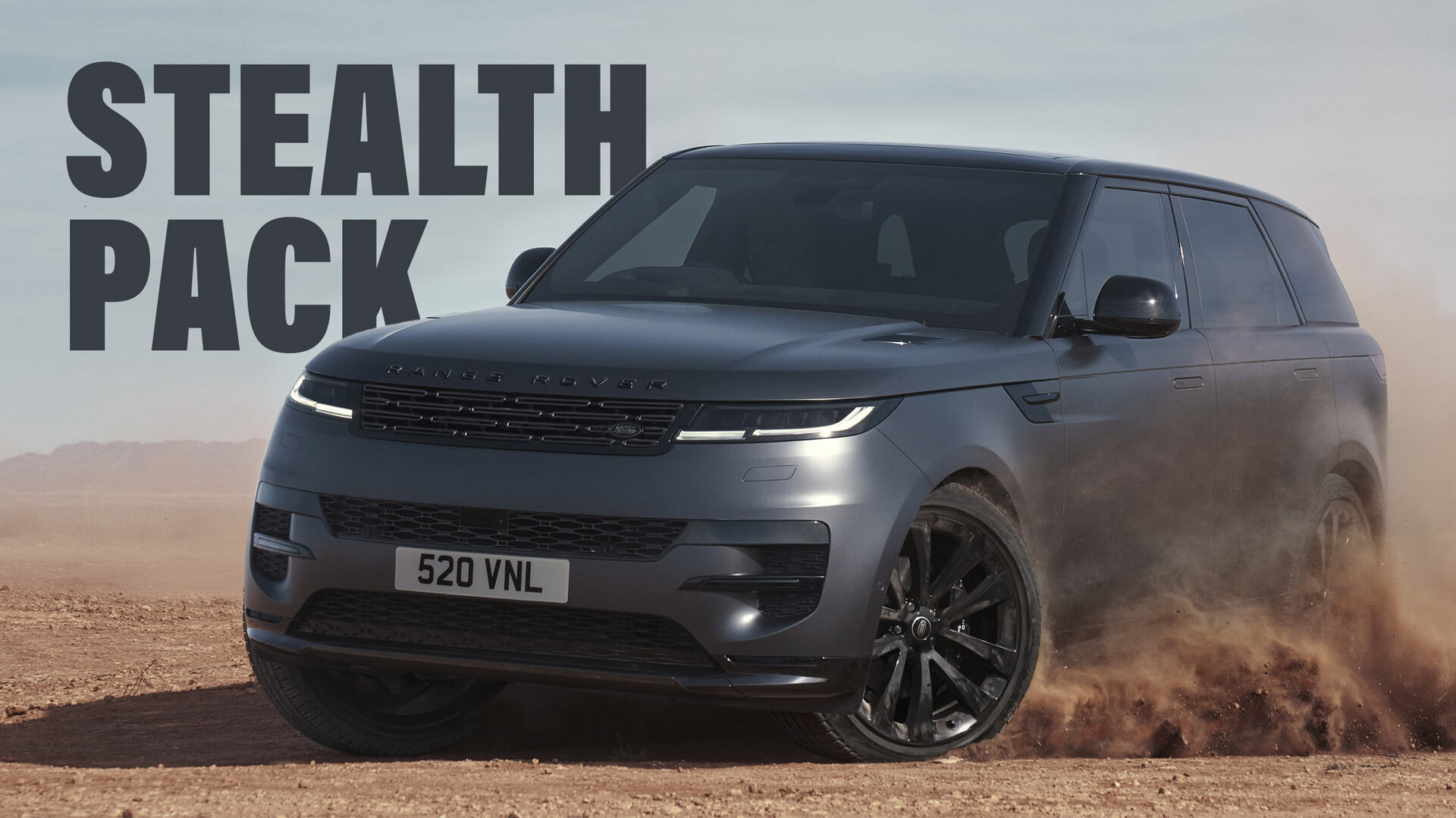
The L461 Range Rover Sport launched in 2022 and the D300 (3.0-litre Ingenium straight-six mild-hybrid diesel, 296hp) is the dominant UK trim for buyers in the £65,000 to £80,000 bracket. List price in May 2026 sits around £86,000 OTR fully optioned, but most dealers will negotiate £4,000 to £6,000 off, landing real on-the-road money at £70,000 to £74,000 for a sensibly specced SE Dynamic.
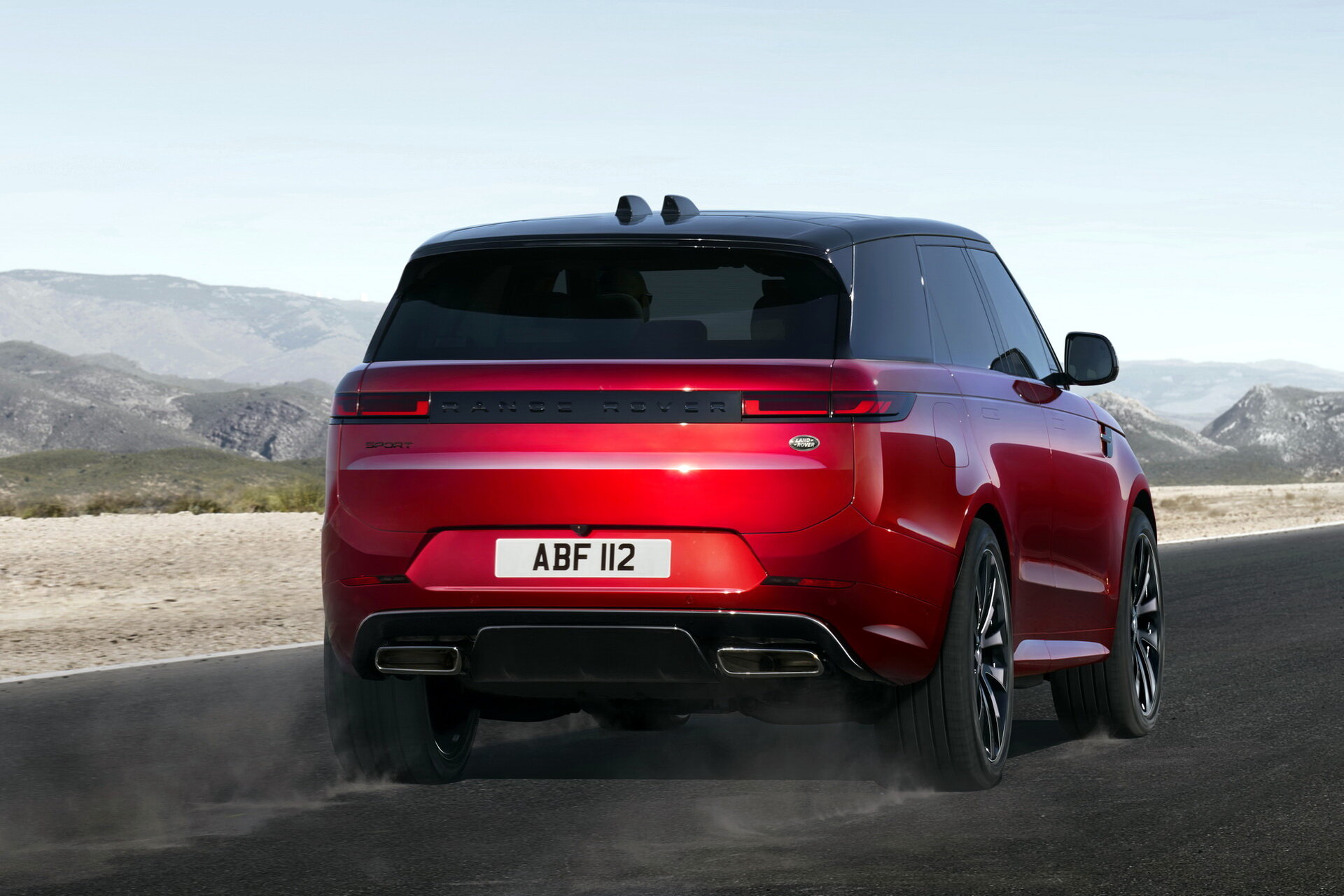
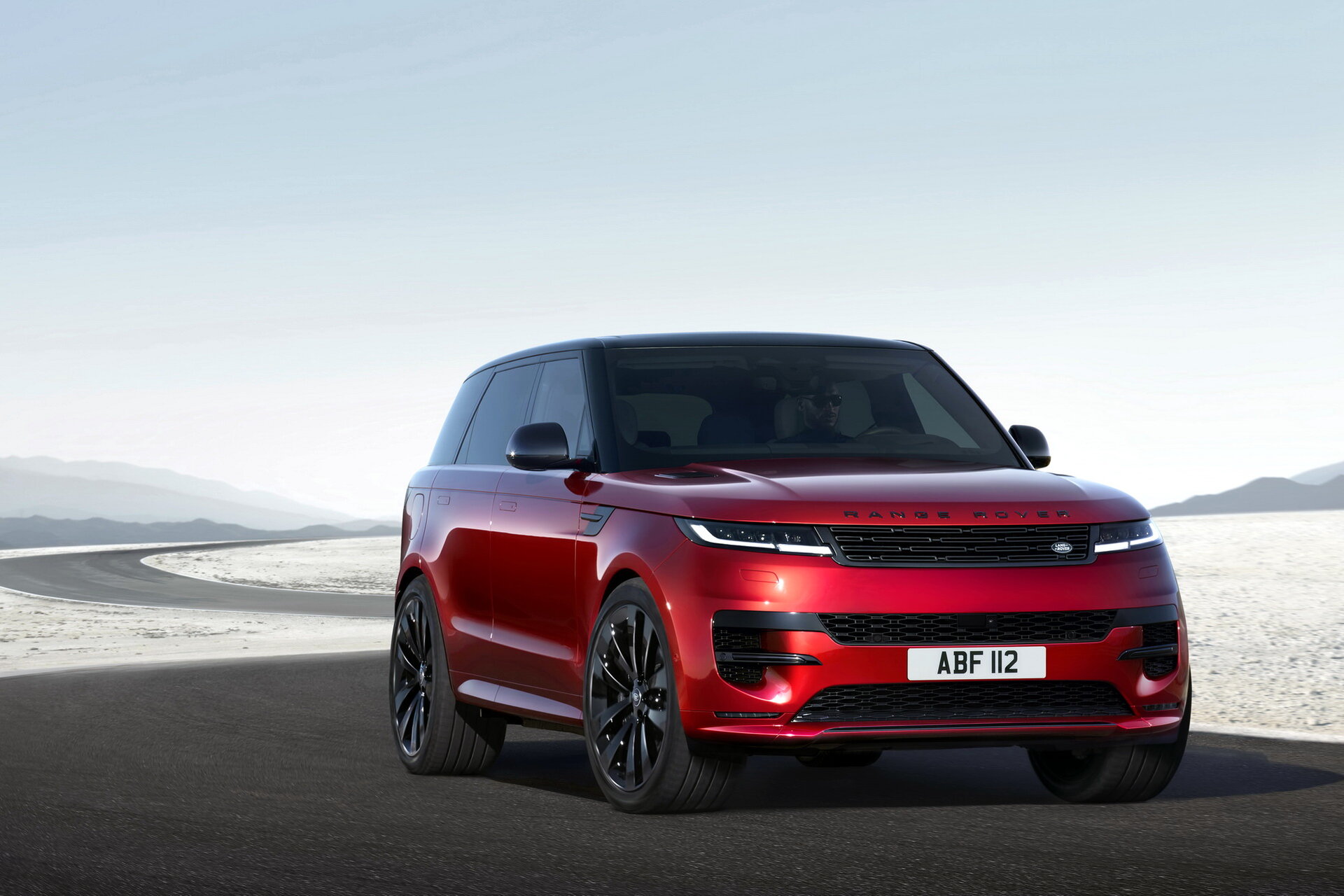
For this comparison, we use a £70,000 OTR D300 SE Dynamic in Carpathian Grey with 22-inch wheels, the Sliding Panoramic Roof, the Cold Climate Pack and the Meridian audio upgrade. The finance terms are 4 years (48 months) and 10,000 miles a year, which is the standard middle-ground UK contract. Higher mileage drivers will see PCH and PCP costs both rise, but the relative gap between them stays similar.
PCH: the pure lease maths
Personal Contract Hire is the simplest of the major car finance products. You pay a fixed monthly rental for a fixed term, hand the car back at the end, and walk away. No balloon, no equity, no ownership option, and historically no voluntary termination right (although the FCA’s 2024 guidance has tightened up early-termination disclosure on PCH too).
A reference PCH quote for the £70,000 D300 from a major broker on 23 May 2026: £8,250 initial rental (six months upfront), £1,247 a month for 47 months, optional admin fee around £300. Total cost of finance over 48 months: £8,250 + (£1,247 x 47) + £300 = £67,159. Excess mileage at 14p per mile over the 40,000-mile total allowance. Insurance and servicing are not included in standard PCH but bundled maintenance packs are available at £85 to £135 a month extra.
PCP: the balloon-and-options structure
Personal Contract Purchase is, structurally, hire purchase with a deferred lump sum at the end. You pay a deposit, monthly payments cover the depreciation and interest, and a Guaranteed Future Value (GFV, the balloon) sits at the end of the term. At the end you have three choices: pay the balloon and own the car, hand it back at no additional charge (if within mileage and condition limits), or part-exchange into a new finance deal using any equity above the GFV.
The reference PCP quote on the same £70,000 D300 from JLR Financial Services: £8,000 deposit, £1,072 a month for 47 months, £45,000 GFV/balloon. APR 9.0%. Total amount payable if you settle the balloon and keep the car: £8,000 + (£1,072 x 47) + £45,000 = £103,384. Total cost over the term excluding the balloon (the route most use, handing the car back): £8,000 + (£1,072 x 47) = £58,384. Excess mileage at 11p per mile, slightly cheaper than the PCH.
Side-by-side: total cost and what you get for it
| Element | PCH (lease) | PCP (hand back) | PCP (keep) |
|---|---|---|---|
| Initial | £8,250 | £8,000 | £8,000 |
| Monthly x 47 | £1,247 | £1,072 | £1,072 |
| Balloon at end | £0 | £0 (return) | £45,000 |
| Total over 4 years | £67,159 | £58,384 | £103,384 |
| Effective monthly average | £1,399 | £1,216 | £2,154 |
| Ownership at end | None | None | Yes |
| Voluntary termination? | No | Yes (after 50%) | Yes (after 50%) |
| Excess mileage | 14p/mile | 11p/mile | 11p/mile |
When PCH wins, and when PCP wins
PCH wins for the buyer who knows they will hand the car back at the end. The lower total cost over four years (£67,159 vs the PCP’s £58,384 if you also hand back) looks superficially worse for PCH, but in real life many PCP buyers find themselves in a position where the GFV is now higher than market value (residuals fell faster than projected) and the only sensible move is to hand back. In that scenario PCH and PCP-handback are functionally identical products with PCP costing £8,775 less. So why doesn’t everyone pick PCP?
Because PCP carries interest, which compounds. PCH is a pure rental contract with the finance company’s residual risk built in but no interest visible to the consumer. PCP at 9% APR adds real interest to the monthly payment that you might not pay on a PCH with a competitive money factor. The £8,775 PCH-vs-PCP-handback gap is actually a function of the lease broker absorbing less margin to compete. Different deals tip the balance either way. For a useful comparison on a similar JLR product, see our PCP vs HP for a £55,000 Range Rover write-up.
PCP wins for the keeper: someone who wants the option to settle the balloon and own a paid-off Range Rover Sport at the end. It also wins for the driver who wants the consumer protections built into a regulated CCA agreement: the right to voluntary termination after paying 50% of the total amount payable (so on a £108,384 total, after about £54,200 in payments, typically months 36 to 38), and the right to a Section 75 claim against the finance company if the dealer fails to remedy a fault.
The hidden costs both routes share
Both products bill you for the same end-of-contract risks, just with slightly different rates.
- Excess mileage: PCH at 14p, PCP at 11p, typical numbers for a Range Rover Sport in 2026. A 5,000-mile overrun is £700 on PCH and £550 on PCP, a meaningful gap if your mileage prediction is wrong.
- End-of-contract condition charges: Both apply BVRLA Fair Wear and Tear standards. A scuffed 22-inch alloy charged at £180 to £320; a 30cm bumper scrape at £350 to £500; major paintwork repairs £900+.
- GAP insurance: Worth considering on both products. PCH GAP covers the difference between insurance payout and remaining lease payments if you write the car off. PCP GAP covers the gap between insurance payout and the settlement figure (which includes the balloon). Typical cost £190 to £320 for the 4-year term.
- Maintenance: Optional bundle on both. JLR’s Service Plan for a D300 over 4 years/40,000 miles is around £1,650 if purchased up front, or £36 a month bolted onto the finance.
For independent advice on both products, MoneyHelper has a useful comparison and Which? covers PCH specifically. Both publish in plain English without the dealer spin.
Edge cases: voluntary termination, balloon refinance, and EV switching
Voluntary termination (VT) is the under-discussed protection on PCP. Once you have paid half the Total Amount Payable, you can return the car and walk away owing nothing further, provided the car is in reasonable condition. On the £70,000 D300 PCP example, that 50% threshold is around £54,200, hit at month 36 to 38. If you suddenly find yourself in financial difficulty, VT can save you tens of thousands compared to defaulting. PCH has no equivalent right; early termination on PCH typically means paying the remaining rentals less a discount, often 50 to 100% of the outstanding balance.
Balloon refinance is another PCP-only option. At the end of term, if you want to keep the car but cannot fund the £45,000 balloon outright, you can refinance it via a personal loan or a fresh hire purchase agreement. Typical UK lender rates on a 5-year £45k personal loan in May 2026 are 8 to 11% APR. That adds another roughly £8,500 to £11,000 in interest over the refinance term. Comparable to a sal-sac EV equivalent? See our Audi Q6 e-tron sal-sac maths.
Our take
For a £70,000 Range Rover Sport D300, the honest answer is that PCH and PCP-handback are very similar products dressed up differently. PCH is cleaner and slightly cheaper if the broker is competitive; PCP is more flexible if you want the option to keep, refinance or use voluntary termination as financial protection. The single biggest mistake we see is buyers picking PCP because they think they will keep the car, then handing it back at the end anyway and discovering they paid £8,000 in interest they didn’t need to. If you genuinely will hand it back, take PCH. If you might keep it, want CCA protections, or are nervous about job stability and want VT as a safety net, take PCP and accept the small interest premium. A privately negotiated rate from a JLR-affiliated broker often beats the in-dealership quote by £40 to £90 a month on either product; always get two quotes before signing. The product matters less than the rate you pay.
Is PCH cheaper than PCP overall on a Range Rover Sport?
On the headline numbers, PCP-handback is usually marginally cheaper than equivalent PCH because the lessor builds in less buffer. On our £70,000 D300 example, PCP-handback over four years is £58,384, PCH £67,159. But PCP carries 9% APR interest and PCH does not show interest separately, so the comparison shifts depending on the broker margin on the PCH deal. Get two real quotes on the same car and the same term to compare.
Can I switch from PCP to PCH or vice versa mid-term?
No. Both are contractual products that bind you to the chosen route until either contract end or an exit event (voluntary termination on PCP, settlement on PCH). What you can do is settle one product early and start a new agreement, but that almost always carries an early settlement charge and breaks any incentive discounting on the original deal.
What happens if the Range Rover Sport’s residual value collapses during the term?
On PCH, you are unaffected, because the lessor took the residual risk. On PCP, you have three options at term end: settle the balloon (which may now be more than market value, locking in a paper loss if you sell), hand the car back at no additional cost (the GFV protects you), or part-exchange. The hand-back option means PCP is essentially residual-protected from your point of view, identical to PCH in that scenario.
Does voluntary termination affect my credit file?
Voluntary termination after paying 50% of the total payable is a statutory right and should not show as a default. However, some lenders mark VT as a settled-but-non-standard closure, which can affect future car finance applications, particularly with the same lender group. The FCA has flagged this practice but it persists. Use VT when you need to, but be aware it may affect your next application by one or two months while underwriters reassess.
Is GAP insurance worth it on either PCH or PCP?
Yes on PCP, qualified yes on PCH. On PCP, GAP closes the gap between insurance payout and outstanding settlement (including balloon) if the car is written off. Without it, you can owe £8,000 to £15,000 on a written-off car. On PCH, the lessor’s insurance via the contract often covers most of the exposure, but GAP top-up is still useful for the rental component. Total cost for 4 years is typically £190 to £320.
Should I PCP or PCH if I might switch to an EV in 2 years?
PCH gives no early exit other than buying out the remaining rentals. PCP via voluntary termination is theoretically more flexible but the 50% threshold on a 4-year deal typically falls at month 36 to 38, so a 2-year switch still costs you significant early-termination money. The cleanest answer is to take a 24-month PCH at the outset; the monthly is higher (£1,450 to £1,580 on the same D300) but you exit cleanly at year two and pivot to an EV through sal-sac if your employer offers it.
Related reading on CDE
Buyer action
Where to check next
Use this as the final check before paying a deposit, signing finance paperwork or relying on a headline monthly figure.