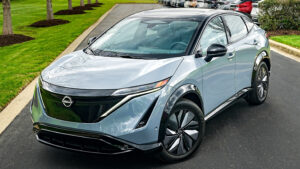

I keep coming back to one worked example when people ask me whether the Hyundai Ioniq 5 is still worth doing through salary sacrifice in 2026, the tax year that locked the company-car Benefit-in-Kind rate on EVs at 4% from April 2026, and it’s the current higher-rate illustration published by Amber Car Leasing. Strip it back and the headline is this: a gross monthly sacrifice of £691.80 including VAT, against a net salary reduction of £430.17 once the tax and National Insurance relief lands. That gap — £261.63 a month cheaper than the equivalent personal lease — is the whole reason these schemes exist, and it’s why I still think the Ioniq 5 is one of the easier recommendations I make.
But “easier” isn’t the same as “do it without thinking”, so let me walk through where the money actually comes from, where the catch is, and who I’d tell to wait.

Where that £261 a month actually comes from (Hyundai Ioniq 5)
The mechanics are unglamorous but they matter. In that same Amber illustration the tax and NI saving is £290.56 a month, and the Benefit-in-Kind charge you pay back is just £14.46 a month. Net it all off and you’re paying £430.17 from gross salary for a car that would cost you more out of taxed income on a normal lease.
The reason the BiK number is so small is the company-car tax treatment of electric cars. From April 2026 the BiK rate on EVs is 4% of list price, as Hyundai sets out on its own salary sacrifice page. Four per cent is still a long way below where petrol and diesel company cars sit, and it’s the single biggest lever making an Ioniq 5 cheaper through your payroll than through your bank account.

Hyundai’s own rule-of-thumb savings, on the same page, scale with your tax band: roughly 30–40% versus a personal lease for a 20% taxpayer, 40–60% for a 40% taxpayer, and 50–60% for a 45% taxpayer. I’d treat those as the upper end of a range rather than a promise — they assume you’d otherwise have leased privately, and they say nothing about what you’d pay if your real alternative is keeping the car you already own. But directionally they’re right, and they explain why the benefit gets more attractive the more tax you pay.
What you’re actually choosing between
The Ioniq 5 isn’t one car, it’s a price ladder, and the trim you pick changes the maths more than people expect. List prices run from £40,695 to £57,755 depending on battery and spec. The entry 125kW Advance with the 63kWh battery starts at £40,695; the 168kW Premium 84kWh is from £46,755; the 168kW Ultimate 84kWh from £50,255; and the 239kW N Line S 84kWh AWD tops out from £56,755. Those figures are confirmed against Hyundai’s pricing structure and listings such as New UK Cars.

Because BiK is a percentage of list price, every step up that ladder costs you twice — once in the bigger sacrifice, and again in a slightly larger taxable benefit. My instinct for most salary-sacrifice drivers is the 84kWh cars: the bigger battery is the version of this car you’ll actually be glad of in February, and at 4% BiK the tax penalty for going from Advance to Premium is small in cash terms. The N Line S AWD is a lovely thing, but it’s a £56k list price you’re now paying 4% of every year, and I’d only sign for it if the performance genuinely matters to you. If you want to sanity-check a specific trim’s monthly figure, broker quotes like Gateway2Lease are a useful second reference point against whatever your employer’s scheme provider quotes.
The bit that makes me uneasy: the grant
Here’s where I’d slow you down. There’s a £1,500 Electric Car Grant doing the rounds for the Ioniq 5 under the scheme’s Band 2, with eligibility said to be tied to the base variant being priced under £37,000 and some cover extending to higher-spec versions up to around £42,000 where the base car is compliant. Those figures get repeated a lot, but I want to be straight with you: I’d treat them as claims to verify, not numbers to bank.

Read them carefully and you’ll see the tension I see: the cheapest Ioniq 5 I can point to is £40,695, which sits above the £37,000 base threshold that’s described. I haven’t been able to confirm the exact price-cap wrinkles from a primary government source, so I’m not going to tell you the grant is banked — I’d treat it as a “ask your scheme provider to confirm in writing before you sign” item rather than a number to build your budget around. On salary sacrifice the grant often flows through to the lease cost anyway rather than landing in your pocket, so it’s a nice-to-have, not the reason to do the deal. If it applies, great. If it doesn’t, the £261-a-month gap stands on its own.
Who I’d tell to sign — and who I’d tell to wait
If you’re a 40% or 45% taxpayer with secure earnings, you’ve got somewhere to charge, and your employer runs a credible scheme, the 2026 Ioniq 5 is close to a no-brainer at these numbers — I’d pick an 84kWh Premium, confirm the grant question in writing, and sign. The 4% BiK rate is the gift here, and salary sacrifice is the most efficient way most people will ever access a £45k EV.
I’d genuinely hesitate, though, if your job feels shaky or you’re near a big life change. Salary sacrifice reduces your gross pay, which can nibble at mortgage affordability calculations and statutory pay, and early-exit terms if you leave the employer are the part of these schemes that bites hardest. And if you’re a basic-rate taxpayer whose only real alternative is running a cheap car you already own, the percentage saving is smaller and the case is far less clear-cut — that’s the one group I’d tell to do the sum properly before getting excited. For everyone in between, the Ioniq 5 in 2026 is still doing exactly what made it a salary-sacrifice favourite in the first place: turning a 4% tax rate into a few hundred quid a month back in your pocket.
Figures cited are illustrative 2026/27 tax-year examples from the sources linked and are not a finance offer. Salary sacrifice is an arrangement with your employer, not a credit product, and what you actually save depends on your tax band, your employer’s scheme terms and your own circumstances. Confirm your own numbers with your scheme provider before committing.
Buyer action
Where to check next
Use this as the final check before paying a deposit, signing finance paperwork or relying on a headline monthly figure.