
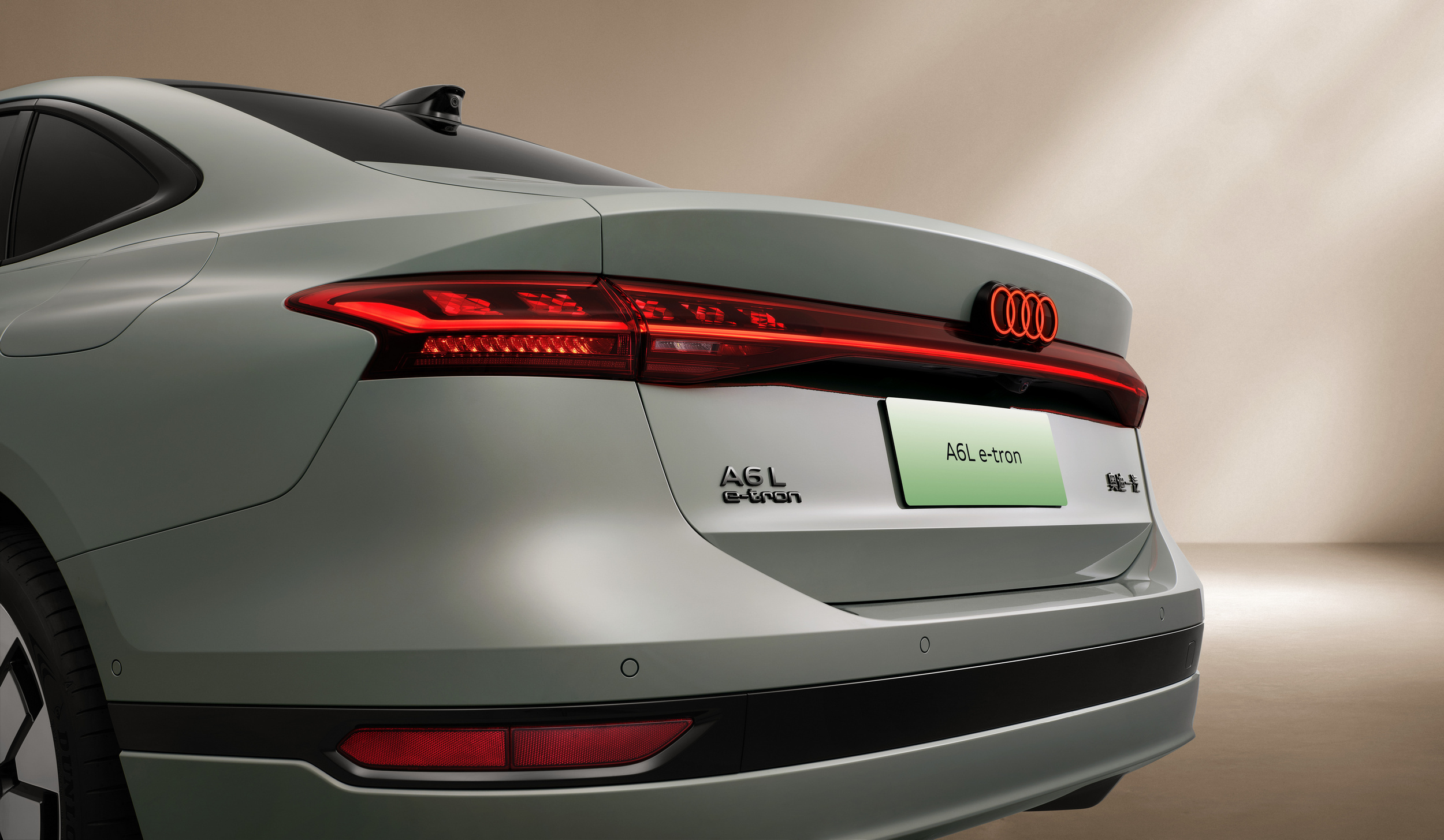
Hire purchase is the plainest way to finance a used premium car: a deposit, a fixed term, equal monthly payments, and the keys are yours outright at the end. There is no balloon, no guaranteed future value gamble, and no mileage penalty waiting in the small print. On a £40,000 used Audi A6 or Range Rover it usually costs more per month than PCP, but you finish owning an asset rather than handing it back, and your voluntary termination rights under the Consumer Credit Act 1974 are a genuine safety net.
What real owners say (CDE data)
CDE read across MoneyHelper and FCA consumer-finance guidance, the What Car and Carwow hire purchase explainers, and PistonHeads and r/UKPersonalFinance threads where premium buyers compare HP against PCP on cars in the £30,000 to £60,000 band, checked early June 2026. We did not arrange this finance ourselves, so treat the figures as illustrative rather than a quote.
- Most-praised aspects: certain ownership at the end, no balloon shock, no mileage caps, and the simplicity of one fixed monthly figure that never moves.
- Most-criticised aspects: higher monthlies than PCP for the same car, money tied up in a depreciating asset early in the term, and confusion about when the car legally becomes yours.
- Reliability signal on the advice itself: the consumer-protection rules owners lean on, the one-third repossession bar and the 50% voluntary termination right, are statutory under the Consumer Credit Act 1974, not lender goodwill, which is why they come up so often in owner threads.
How hire purchase actually works on a used premium car
Hire purchase splits the price of the car into a deposit and a run of equal monthly payments, with interest added across the term. You put down a deposit, often around 10%, then pay the rest over one to five years. The finance company legally owns the car until the final payment clears, at which point ownership passes to you, sometimes after a small option-to-purchase fee (What Car’s hire purchase guide notes deposits near 10% and typical interest of roughly 4% to 8%, What Car, accessed 6 June 2026). Because the agreement is secured against the car, it is the vehicle that backs the debt, not just your signature.
That structure is the whole appeal for a used buyer. Unlike a personal loan, the rate is usually tied to a specific car and a specific dealer or lender, and unlike the guaranteed future value at the heart of a PCP, there is no large optional final payment to settle. You are buying the car, in full, in instalments.

Deposit, term and the fixed monthly: setting the numbers
Three levers set your monthly cost: the deposit, the term length and the APR. A bigger deposit and a shorter term cut the total interest you pay but raise the monthly figure; a longer term does the opposite and quietly increases what the car costs overall. For a premium used car most buyers land on a three or four year term, because that keeps the monthly affordable without dragging interest out across a fifth year on a car that is already several years old.
The deposit also shapes your exposure. Put down a strong deposit and you reduce the early-term gap between what you owe and what the car is worth, which matters if you ever need to sell or settle early. If you are weighing how much cash to commit up front, the trade-offs in our premium car deposit strategy guide apply to HP just as cleanly, the maths of front-loading versus keeping cash back is the same.
A worked example on a £40,000 used Audi A6
Take a clean used £40,000 Audi A6 or comparable premium saloon. Put down a £4,000 deposit (10%), financing £36,000 over 48 months. At a representative 8.9% APR, the kind of rate a strong-credit buyer might be offered on used premium HP, the monthly payment lands at roughly £893, for a total of about £46,900 paid including the deposit. Drop the APR to 5.9% and the monthly falls to about £843; stretch the same 8.9% deal to 60 months and the monthly eases to around £744 but the total climbs because you are paying interest for an extra year.
Those figures are illustrative, computed from the deposit, balance and APR above, not a quote. The FCA is explicit that a representative APR is exactly that: representative. It is the rate offered to at least 51% of accepted applicants, and it is not guaranteed to you (FCA car finance guidance, accessed 6 June 2026). Your actual rate depends on your credit profile, the car, and the lender, so treat any advertised monthly as a starting point, not a promise.
HP versus PCP: the same car, two very different shapes
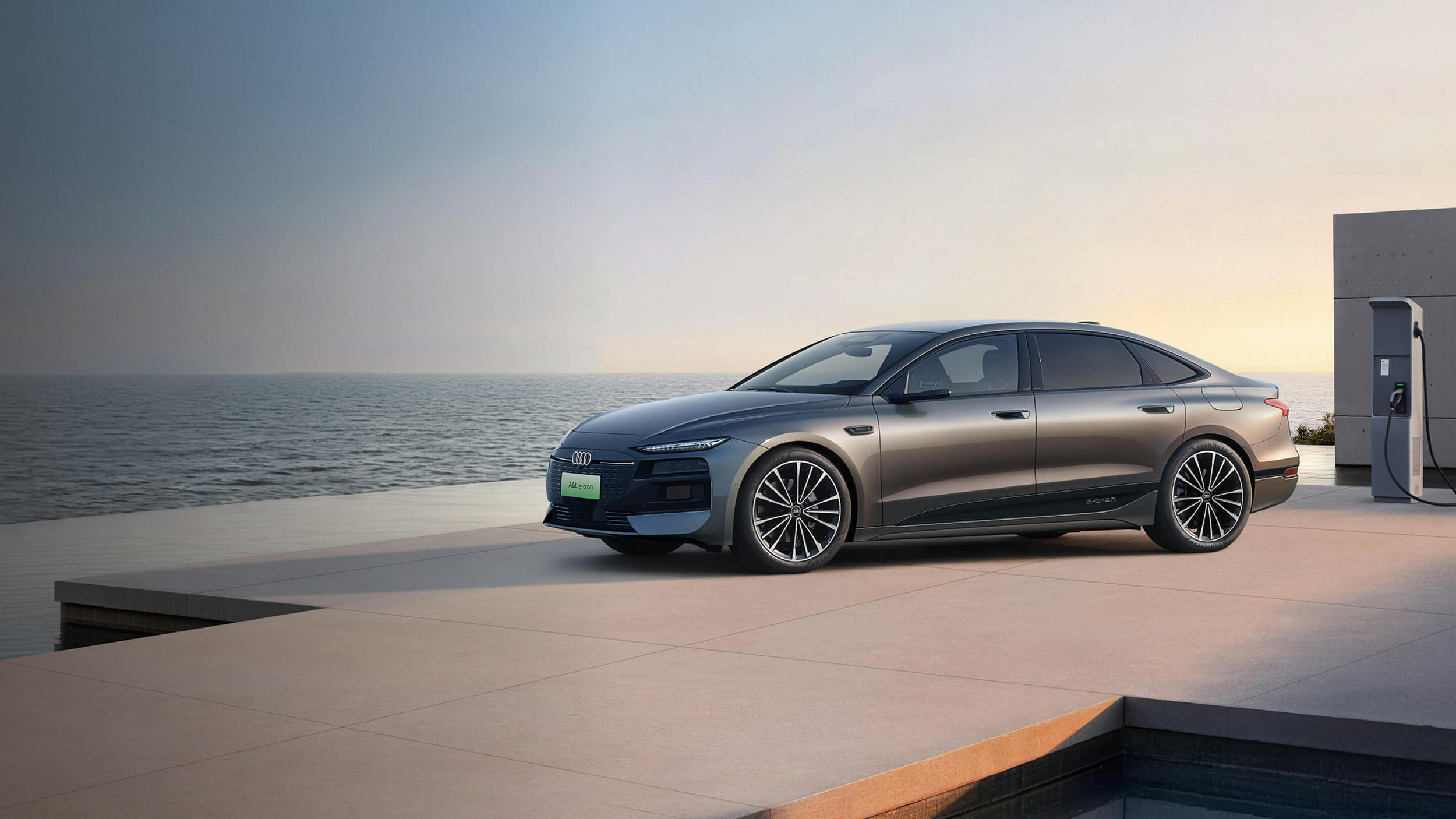
On the same £40,000 car, PCP defers a big chunk of the value into a final optional payment, the balloon or guaranteed future value, so your monthly payments are lower because you are only funding the depreciation plus interest. HP funds the whole car, so the monthly is higher but every payment builds equity and there is no shock at the end. The table below compares the two on identical figures.
| Criteria | Hire purchase (HP) | PCP |
|---|---|---|
| £40,000 used car, 10% deposit, 48 months, 8.9% APR | About £893/month, you fund the full car | Lower monthly, a large optional final payment is deferred |
| Ownership at the end | Yours outright after the final payment | Only if you pay the balloon / GFV |
| Final lump sum | None (small option-to-purchase fee only) | Large balloon payment to keep the car |
| Mileage limits | None | Yes, excess-mileage charges apply |
| Equity through the term | Builds steadily, you own more each month | Builds slowly, value sits in the deferred balloon |
| Ending early | Voluntary termination at 50% paid (CCA 1974) | Voluntary termination at 50% paid (CCA 1974) |
| Best suited to | Keepers who want to own the car | Changers who swap every three to four years |
If you are genuinely torn between the two formats on a specific car, our deeper PCP versus HP breakdown on a £55,000 Range Rover runs the full numbers, and the PCP versus HP comparison on a used Audi A7 shows how the gap narrows as the deposit grows.

You own it at the end, and what that means before then
The headline benefit is ownership, but the timing matters. Until the final payment clears, the finance company is the legal owner, so you cannot sell or modify the car without their permission, and the agreement is secured against the vehicle. Once the last payment lands, the car is unambiguously yours, with no further decision to make and nothing left to settle.
That clean finish is why this route suits the long-term keeper. If you intend to run an A6 or a Range Rover well past the finance term, paying down the whole car and then owning it outright avoids the cycle of rolling negative equity into the next deal that catches out serial PCP changers. It also means any equity you build is genuinely yours to roll into the next car rather than value locked inside a deferred balloon.
Voluntary termination: your 50% right under the Consumer Credit Act
This is the protection that makes regulated finance safer than a private sale gone wrong. Under the Consumer Credit Act 1974, on a regulated agreement you generally have the right to end the deal early once you have paid, or brought your payments up to, 50% of the total amount payable. You hand the car back in fair condition for its age and mileage and walk away, with nothing further to pay beyond any arrears or damage charges. If you have not yet reached the halfway point, you can pay the shortfall up to 50% and then terminate.
There is a second statutory shield. Once you have paid at least one-third of the total amount payable, the car becomes protected goods, and the lender cannot repossess it without a court order. These are general rights set out in statute, not advice on your specific agreement, so check your own paperwork and the wording with the lender. We cover how this plays out in disputes in our explainer on voluntary termination rights when a balloon is refused, and gov.uk sets out the underlying law (Consumer Credit Act 1974, sections 99 to 100, legislation.gov.uk).

When HP beats PCP, and when it does not
HP wins when you want the car for the long haul, when you cover high mileage that would trigger PCP excess charges, or when you simply dislike the idea of a five-figure balloon hanging over the final year. It also tends to carry slightly lower interest than PCP on a like-for-like used deal, and it removes the guaranteed future value guesswork that can leave a PCP buyer with no equity if residuals fall.
PCP wins when monthly cash flow is the binding constraint and you genuinely intend to change cars every three to four years, because the deferred balloon keeps the monthly low and hands you flexibility at the end. A personal loan can beat both if you can secure a sharp unsecured rate and want to own the car from day one, a route we weigh in our personal loan versus PCP comparison for a premium car. For the wider picture, our car finance guides sit alongside the consumer-protection backdrop of the FCA motor finance redress scheme, both worth a read before you sign.
Running costs and the checks before you sign
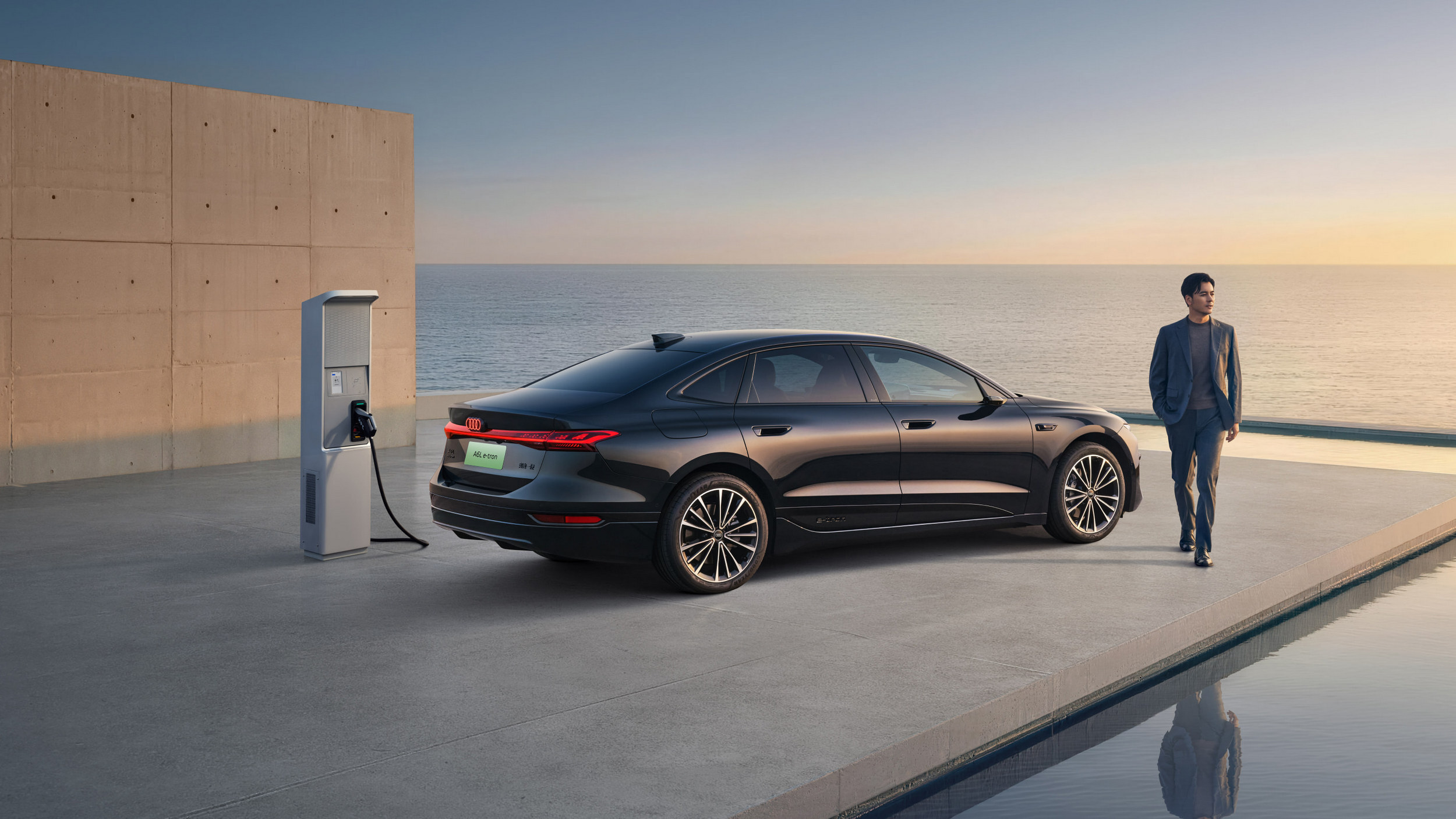
Finance is only part of the bill. On a used premium saloon or SUV, budget for servicing at main-dealer or specialist rates, insurance that reflects the car’s group, and the road tax band for its emissions. Because this route has no mileage cap, high-mileage drivers avoid the per-mile penalties that bite on PCP, but they should still factor heavier tyre and brake wear into the ownership sums. Confirm the full service history, run a provenance check, and read the agreement for the option-to-purchase fee and any arrangement charges before you commit.
Compare the representative APR across more than one lender or dealer, because the same car can carry very different rates. Check whether settling early triggers an interest rebate (it usually does on regulated agreements) and ask in writing what an early settlement figure would look like at the halfway point, so the voluntary termination route is clear before you ever need it.
Our take
For a UK buyer who plans to keep a used premium car, hire purchase is the honest choice. You pay more each month than PCP, but every payment is buying the car rather than renting its depreciation, and you finish with an asset and no balloon to settle. On our £40,000 Audi A6 example the gap to PCP is real but not punishing, and the absence of mileage caps suits anyone who actually drives. The Consumer Credit Act 1974 backstop, protected goods at one-third paid and voluntary termination at 50%, gives this route a safety net a cash purchase cannot match. Our view: pick it if you are a keeper or a high-mileage driver, push for the shortest term you can comfortably afford to cut total interest, and get the representative APR in writing from more than one source before you sign. Choose PCP only if low monthly cost and changing cars often genuinely matter more than ownership.
This article is general guidance, not financial or legal advice, and CDE has not driven or financed this specific car. Figures are illustrative and depend on your circumstances and the lender; check current rates and your own agreement, and take regulated advice before making a decision.
Is hire purchase a good way to buy a used premium car?
What is the difference between hire purchase and PCP?
Can I end a hire purchase agreement early?
When do I actually own a car on hire purchase?
Is the representative APR the rate I will get on hire purchase?
Can the lender repossess a car on hire purchase?
Buyer action
Where to check next
Use this as the final check before paying a deposit, signing finance paperwork or relying on a headline monthly figure.