EU 2035 ICE ban scrapped for a 90 per cent emissions target: what European car buyers should know about PHEVs, EREVs, residuals and grants.
CDE may earn a commission when you click affiliate links. This does not change what we recommend.
What the EU 2035 ICE ban replacement actually says
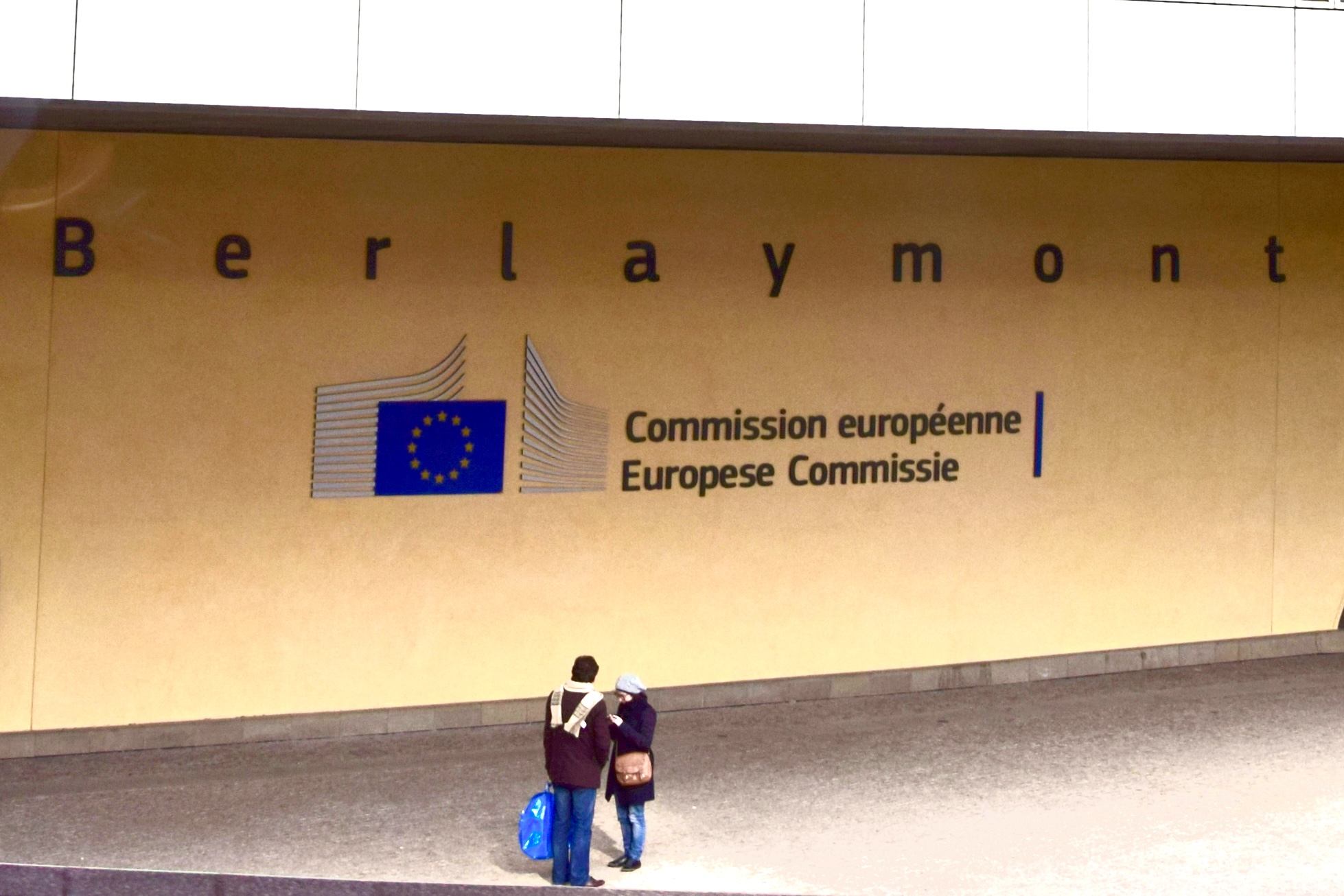
The original 2023 legislation set a hard 100 per cent CO2 reduction target on new car and van sales from 2035, in practice a ban on selling new petrol or diesel passenger cars in the EU from that date. The Commission’s December 2025 proposal, now being negotiated in trilogue between the Commission, the Parliament and the Council, replaces that with a 90 per cent fleet-wide CO2 reduction target from 2035 onwards. The remaining 10 per cent of fleet emissions can be offset using EU-produced green steel or climate-neutral fuels (e-fuels, biofuels). Final adoption is expected in 2026.
According to Automotive Logistics’ summary of the EU 2035 ICE ban replacement (as of 2026-05-23), the practical shift is structural: technologies effectively excluded from 2035 under the old rules, namely PHEVs, mild hybrids and extended-range electric vehicles (EREVs), are now classed as transitional and can still be sold beyond 2035 as part of a compliant fleet. EU-built small EVs may receive “super credits” to encourage affordable European-made battery cars.
Why the Commission moved: pressure, demand softening, fleet competitiveness
Three forces pushed the Commission to soften the EU 2035 ICE ban. First, formal pressure from Germany, Italy, the Czech Republic, Poland, Bulgaria, Hungary and Slovakia, member states whose national motor industries argued that the 2035 cliff edge was non-financeable. Second, slower-than-forecast EV demand growth in the EU passenger car market through 2024 and 2025, with the SUV-heavy German market and the price-sensitive Southern European markets both well behind earlier EV-adoption curves. Third, fleet competitiveness against Chinese EV imports priced below European new-car averages, a concern raised by ACEA and most of the large groups (as of 2026-05-23).
The shift mirrors what we have written about the global EV adoption slowdown: UK and European buyers are not rejecting electrification, but the steep early-adopter curve has flattened and policymakers are responding to the slower trajectory.
Volkswagen pragmatic, Stellantis sharply critical
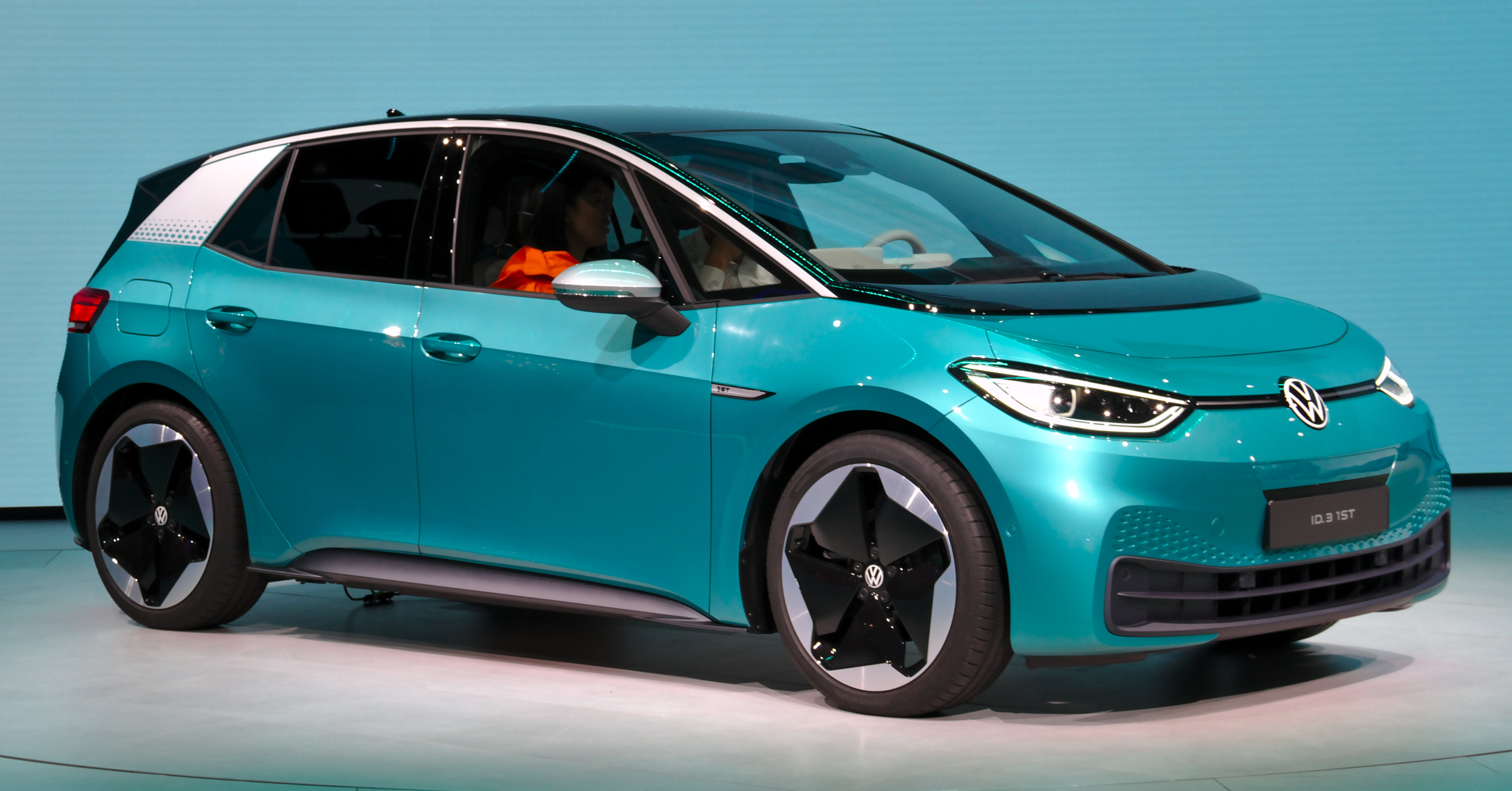
The two largest European-headquartered groups read the same package very differently. Volkswagen called the proposal pragmatic and economically sound overall (VW public statement, December 2025), reflecting a manufacturer that has already sunk capital into the ID. series and prefers a compliance pathway it can finance. Automotive News’ summary of the industry divide (as of 2026-05-23) captures the split clearly.
The proposals do not meaningfully address the issues that the industry is facing right now. The package fails to provide a viable trajectory for the light commercial vehicles segment, which is in a critical situation.
Stellantis public statement on the EU 2035 ICE ban replacement (December 2025), via Automotive News (as of 2026-05-23).
What it changes for UK car buyers
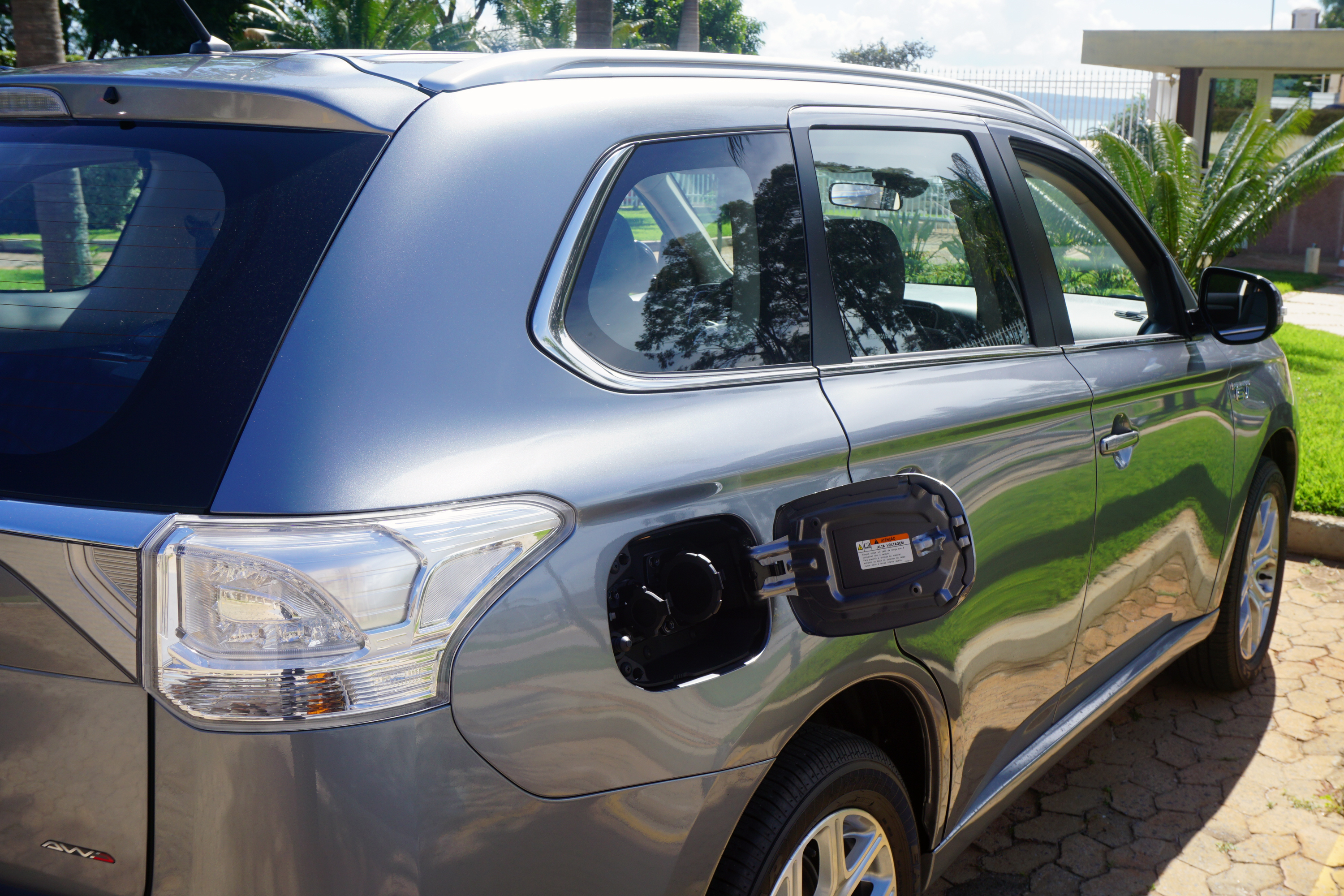
For a UK buyer weighing up an ICE, a PHEV, an EREV or a full EV today, the EU 2035 ICE ban replacement matters for two reasons. The first is supply: the majority of cars sold new in the UK come off EU production lines, so what the Commission rules tomorrow shapes what a UK dealer can order the day after. The second is residual value. A 2026 PHEV bought today on a PCP or salary-sacrifice deal should now have a credible secondary market through 2032 to 2035, which was not the case under the old 100 per cent EU target. That is a real shift for residuals in the £30,450 to £43,500 PHEV bracket, where lease-and-return is the dominant ownership model.
That said, the 90 per cent fleet target plus the green-steel and e-fuel offset rules still pull the new-car average sharply toward zero-tailpipe sales. The direction of travel is unchanged: a full EV will be the dominant new-car category by 2035, with PHEVs and EREVs filling the bridge segments (towing, long-distance company-car fleets, rural users without home charging). On the UK side, the bigger short-term levers on a buying decision are still the BIK rate on company EVs, employer salary-sacrifice schemes, FCA-regulated PCP and HP finance terms, and the UK’s own ZEV mandate setting the supply mix. Our recent comparison of small crossovers applies the same trade-off logic to a different segment.
Our take
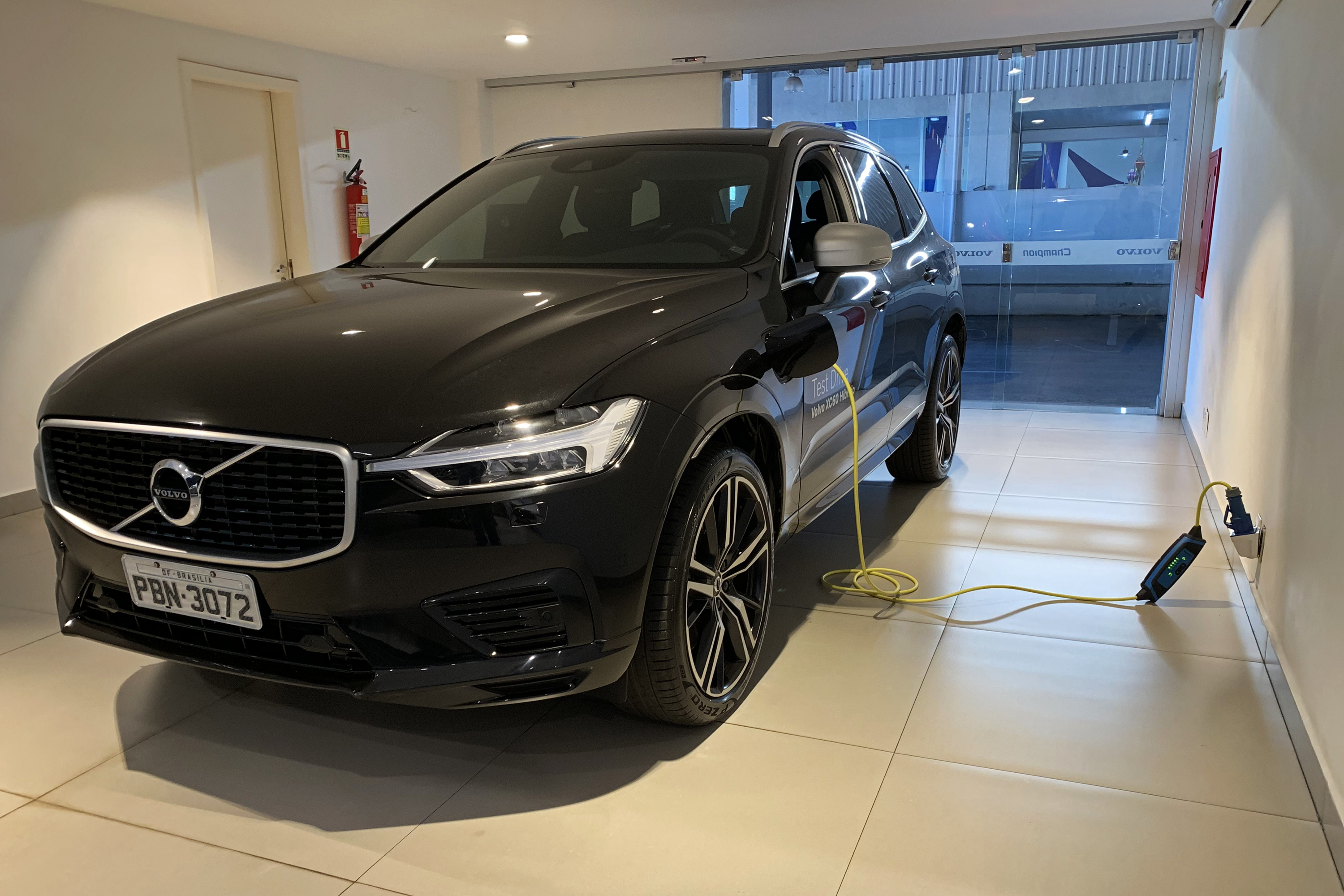
The EU 2035 ICE ban replacement is, in our view, a political win for the German and Italian incumbents and a partial loss for the European charging-and-battery investment thesis. The 90 per cent target with offset options is still demanding, but it removes the 2035 cliff edge that was pushing fleet planners into accelerated EV procurement. We think the practical buyer takeaway is calmer than the headlines suggest: a UK buyer in 2026 can choose a well-priced PHEV or EREV without fearing a 2035-shaped collapse in residual value, while a full EV remains the lower running-cost choice for high-mileage urban drivers with home charging and a favourable BIK rate. The risk is that the package softens demand pressure enough to slow EU-built EV scale-up, leaving Chinese imports to fill the gap in UK showrooms too. Watch the 2026 trilogue carefully: amendments by the European Parliament could still narrow the offset rules.
Is the EU 2035 ICE ban completely cancelled?
Can I still buy a plug-in hybrid after 2035 in the EU?
What did Volkswagen and Stellantis say about the EU 2035 ICE ban replacement?
How does this affect UK EV buyers and incentives?
Related reading on CDE
MCDE Editorial
Buyer action
Where to check next
Use this as the final check before paying a deposit, signing finance paperwork or relying on a headline monthly figure.