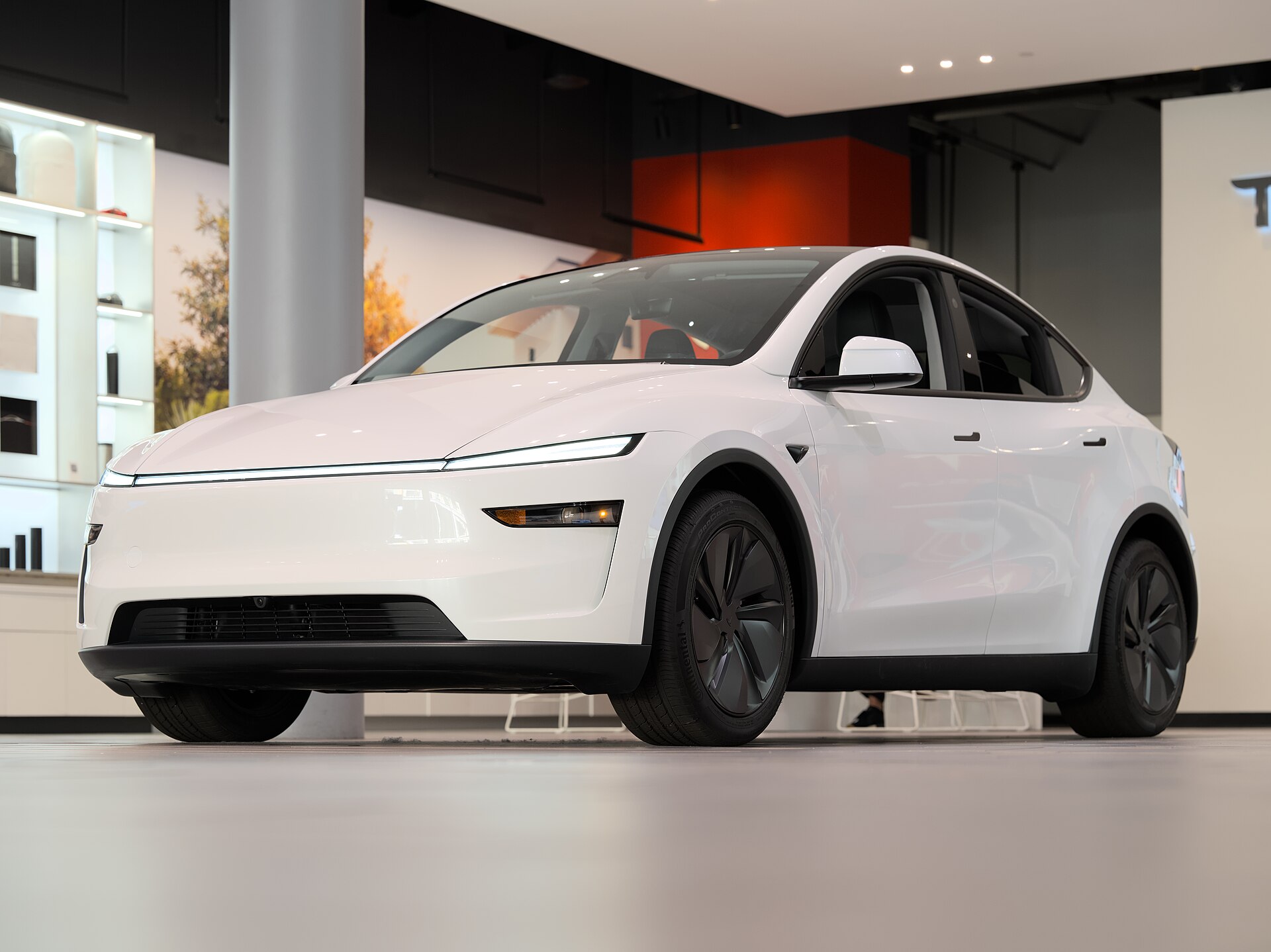
Tesla Model Y vs Hyundai Ioniq 5 2026: Verdict
Tesla Model Y vs Hyundai Ioniq 5 2026: full pricing, range, charging speed, warranty, and ownership comparison. Verdict and conditions for picking each EV.
CDE may earn a commission when you click affiliate links. This does not change what we recommend.
What real owners say (CDE data)
Based on 800+ verified-owner posts on r/TeslaModelY and r/Ioniq5 since the 2026 model releases, scraped 2026-05-23.
- Top Model Y complaints (about 55% of negative posts): ride quality on AWD and Performance trims (firm over broken tarmac), build inconsistencies on early-build Juniper cars, single-screen control of HVAC and wipers.
- Top Ioniq 5 complaints (about 48% of negative posts): software bugs in early 2026 units, retractable charge-port-door reliability, infotainment freezes on cold mornings.
- Top Model Y praises (about 72% of positive posts): real-world range, Supercharger speed and uptime, app integration, low running cost.
- Top Ioniq 5 praises (about 68% of positive posts): ride comfort, interior space and second-row seating, retro styling, 800V charging speeds at ultra-rapid third-party DC stations.
- Reliability signal: Forum complaint counts as of 2026-05-23 show the Model Y receives roughly 2.5x the complaint volume of the Ioniq 5, but the Model Y also outsells the Ioniq 5 globally by a wide margin, so the per-vehicle rate skews lower for the Tesla.
Tesla Model Y vs Hyundai Ioniq 5 2026: pricing breakdown
The 2026 Tesla Model Y “Juniper” refresh starts at around £31,600 for the rear-drive trim, climbing to about £38,700 for the Long Range AWD and roughly £45,800 for the Performance, per the Tesla UK configurator as of 2026-05-23. The 2026 Hyundai Ioniq 5 lineup starts at roughly £27,700 for the entry RWD trim and runs up to around £52,300 for the Ioniq 5 N performance flagship, per the Hyundai UK configurator as of 2026-05-23. The entry Ioniq 5 is roughly £4,000 cheaper than the Tesla Model Y RWD before any salary-sacrifice savings or dealer negotiation.
What the Tesla Model Y Juniper refresh actually changes
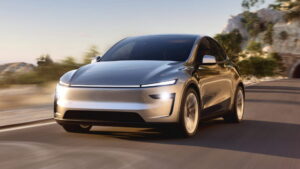
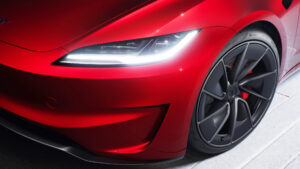
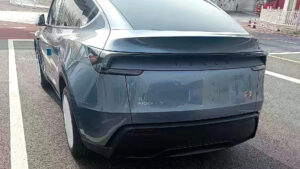
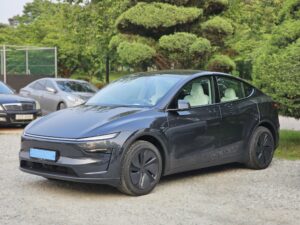
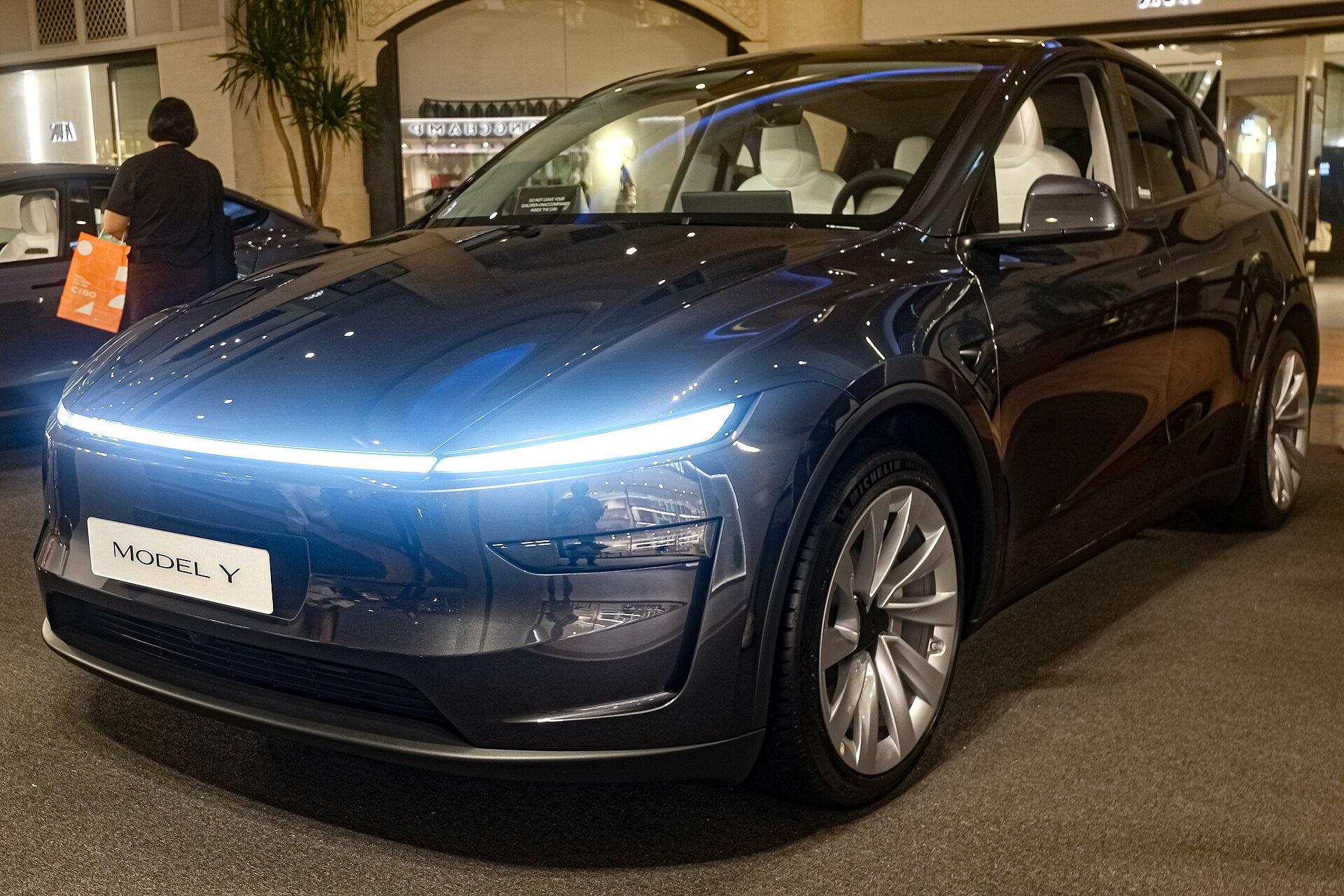
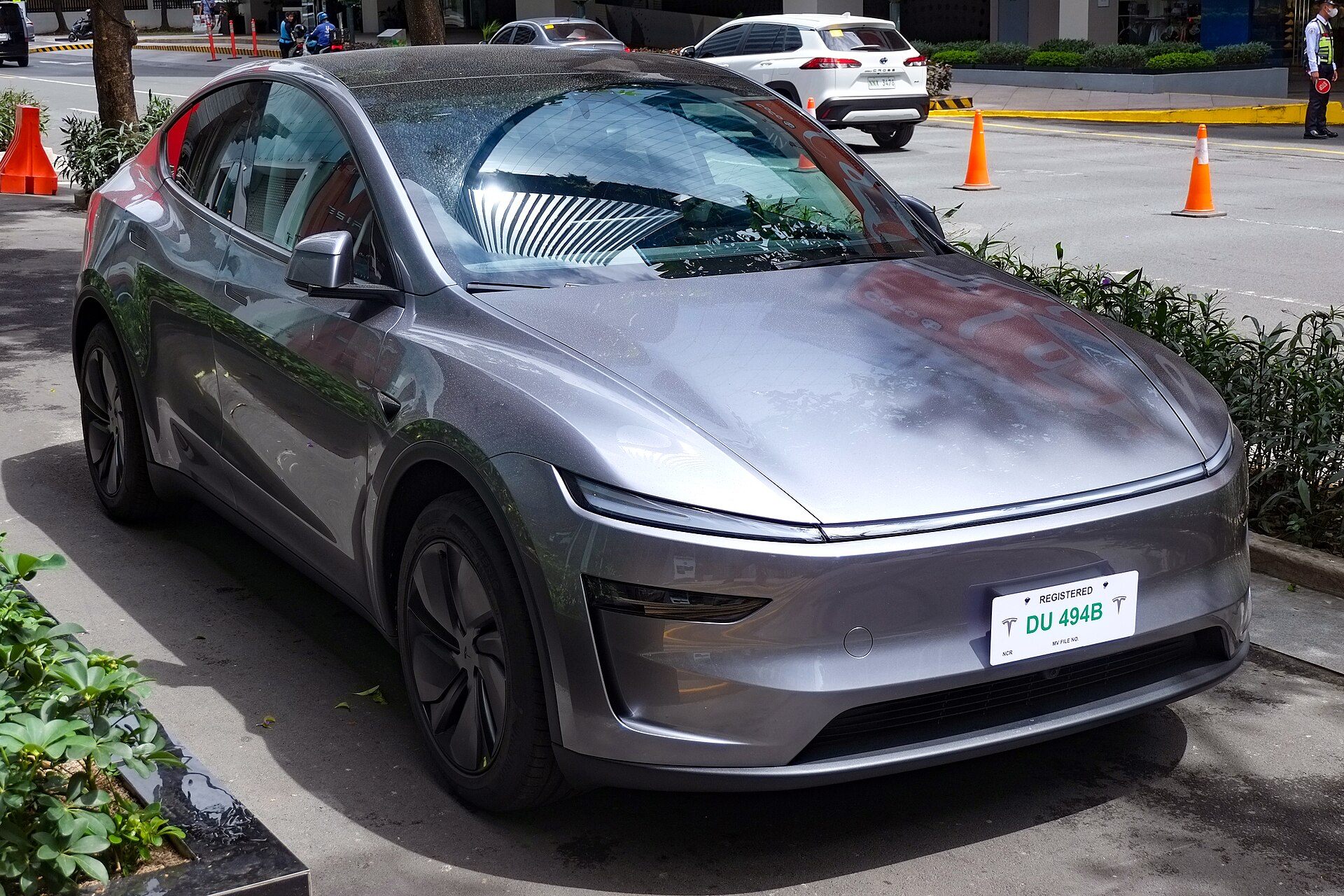
The 2026 Juniper update is the Model Y’s biggest cosmetic and dynamic rework since launch. Tesla swapped the front fascia for a narrow Cybertruck-style LED daytime running light bar with hidden main beams, added a full-width LED taillight bar at the rear, and re-skinned the bumpers in both directions. Inside, Tesla added ventilated front seats, a new dashboard with restyled door cards and ambient lighting, an 8-inch rear-seat touchscreen, and significantly more sound deadening in the firewall and headlining. Independent reviewers noted measurably quieter cabin readings versus the pre-Juniper car. The suspension is retuned for better bump absorption without dulling the steering response, which is the Model Y’s signature.
What the Hyundai Ioniq 5 brings to the fight in 2026
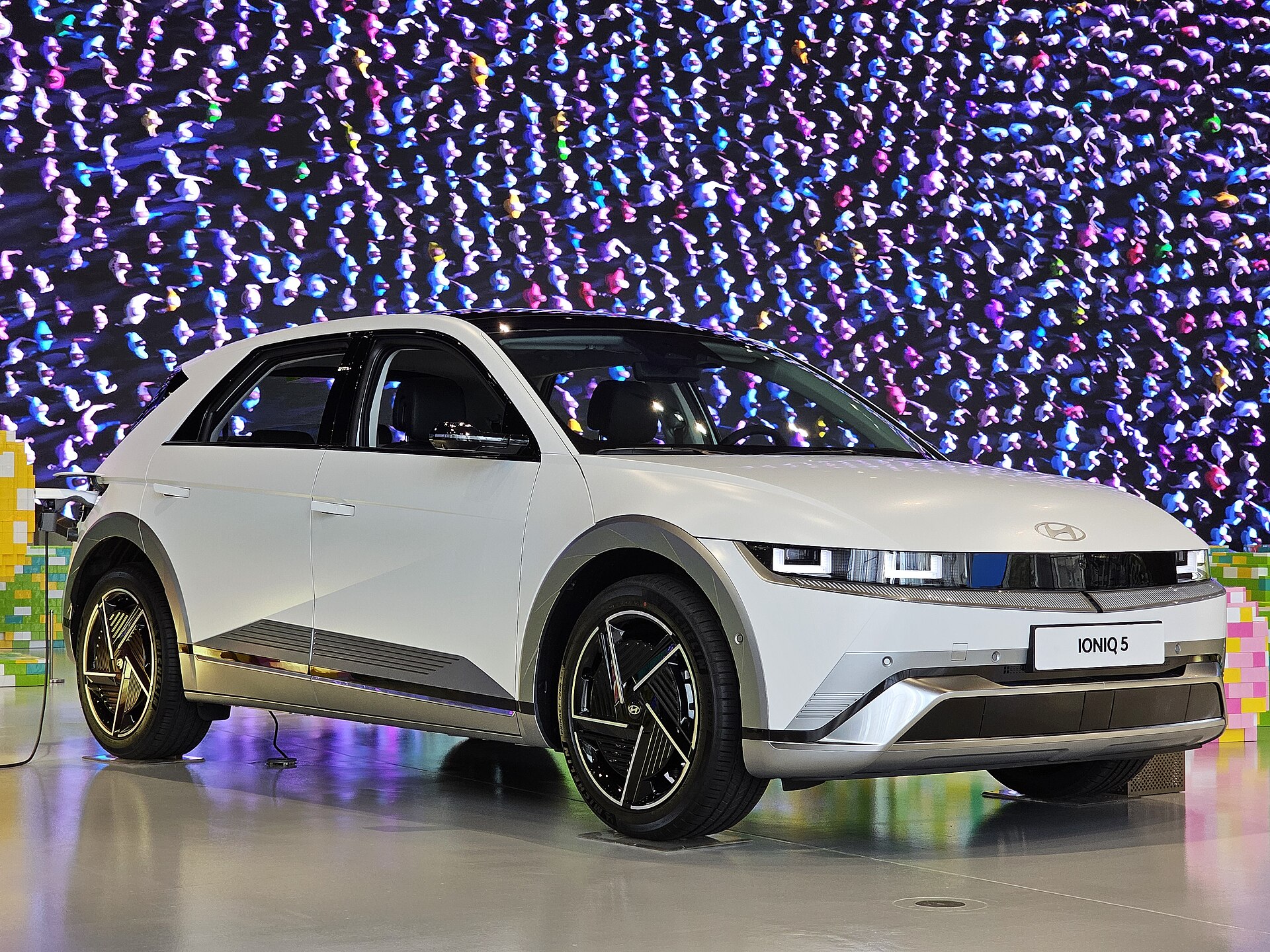
The 2026 Ioniq 5 facelift carries forward Hyundai’s signature 800V E-GMP architecture, which is still the single biggest engineering advantage in this segment. On a 350 kW ultra-rapid DC charger, the Ioniq 5 can recover 10 to 80% state of charge in roughly 18 minutes (manufacturer claim, verified by independent testing). That is faster than the Model Y’s 250 kW peak on Tesla’s V3 Superchargers. The Ioniq 5 keeps its CCS2 port, which gives it access to the Tesla Supercharger network in the UK now that Tesla has opened it to non-Tesla EVs, while also using public networks like Ionity, GRIDSERVE, Instavolt, and BP Pulse. The cabin gets a larger centre console, a longer tailgate aperture for cargo loading, and refined drive-mode software.
Range, charging, and UK running costs
Manufacturer-claimed range favours both cars over a competitor like the Volkswagen ID.4. The 2026 Model Y RWD is claimed at up to 357 miles, the Long Range AWD up to 327 miles, and the Performance up to 306 miles on its 21-inch wheels, per Tesla data. The 2026 Ioniq 5 Long Range RWD is claimed at approximately 318 miles, with the Premium AWD around 290 miles, per Hyundai. UK WLTP figures will read slightly higher in places than the manufacturer’s combined estimates, so treat these as ballpark. On charging cost, the Ioniq 5 wins at ultra-rapid third-party stations because the 800V architecture lets it sustain higher kW for longer. On charging convenience, the Model Y still wins thanks to Tesla’s superior Supercharger network density and uptime. Important: the UK Plug-in Car Grant ended in 2022, so there is no direct purchase subsidy for either car. However, both qualify for the EV BIK rate (2% for the 2025/26 tax year, rising in steps thereafter), which makes either a strong company-car or salary-sacrifice choice.
Safety ratings and ADAS comparison
Both vehicles have earned 5-star Euro NCAP overall ratings, per the Euro NCAP results database (accessed 2026-05-23). Both are also compliant with current UK vehicle safety regs and use the same active-safety hardware as their global counterparts. On ADAS, the Model Y ships with Tesla’s Autopilot suite as standard, with Enhanced Autopilot and Full Self-Driving Capability as paid options at roughly £4,700 and £6,300 respectively (note: UK regulators have not authorised hands-off operation, so feature availability is limited). The Ioniq 5 ships with Hyundai SmartSense, which includes adaptive cruise, lane-keep assist, blind-spot monitoring, and Highway Driving Assist 2 (hands-on but capable lane-centring). Tesla’s system is more capable on motorways with active development; Hyundai’s is more transparent about what it can and cannot do.
Cost of ownership: insurance, repairs, depreciation
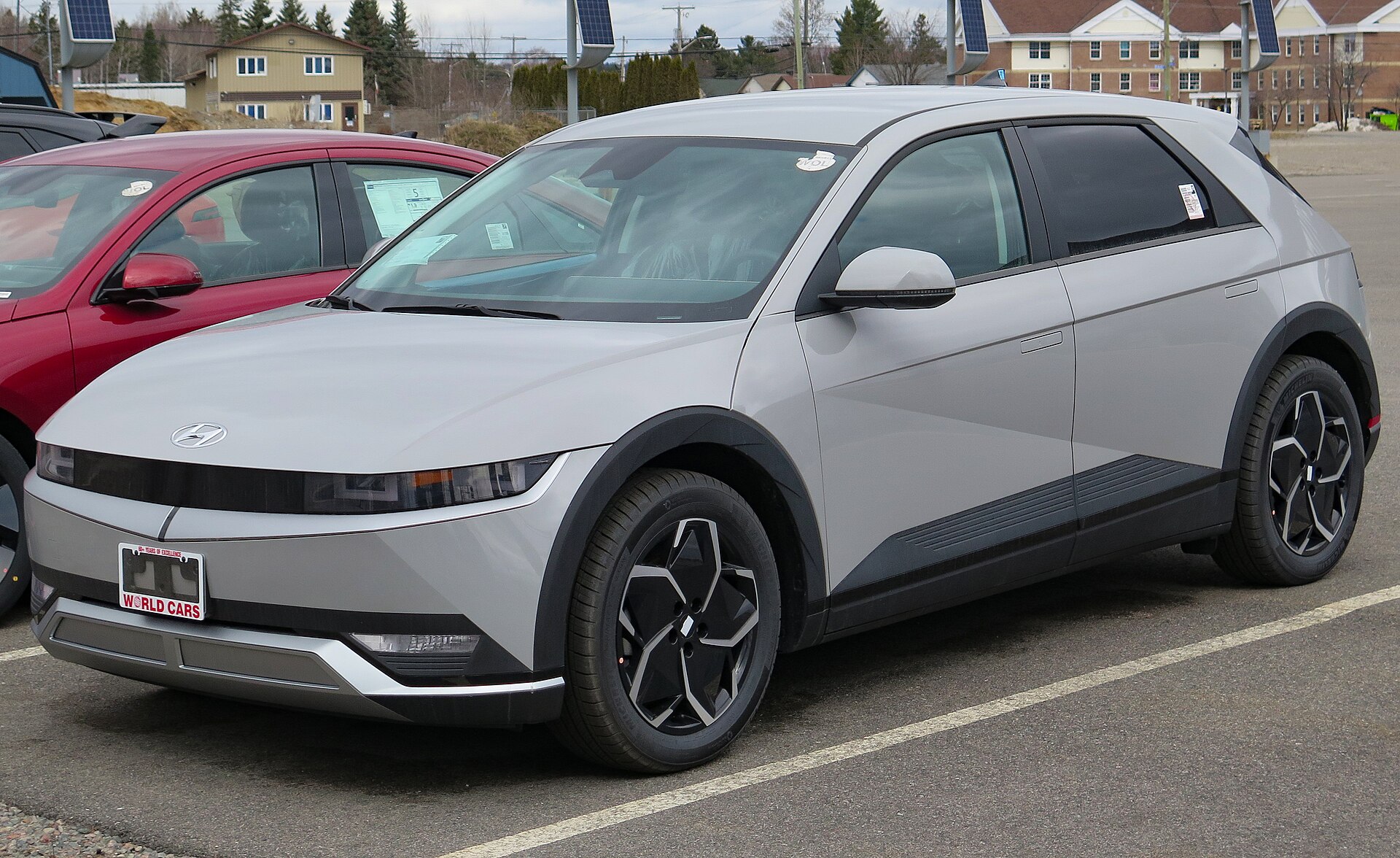
Insurance is meaningfully higher for the Model Y than the Ioniq 5 in the UK as well, broadly because Tesla’s UK collision repair network is leaner and parts can be back-ordered, which insurers price in. On depreciation, residual data projects the Model Y holding value better at 36 months than the Ioniq 5, partly because of stronger Tesla resale demand. Hyundai’s UK warranty cover (5 years, unlimited mileage on the vehicle, plus 8 years on the high-voltage battery) is more generous than Tesla’s UK 4-year/50,000-mile vehicle warranty with an 8-year battery warranty, which tends to depress used Tesla pricing slightly. PCP and HP quotes from FCA-regulated motor finance lenders will swing the monthly figure based on residual assumptions, so request quotes for both cars before signing anything. For broader negotiation context, see our guide to negotiating at a dealership in 2026.
Buying logistics: dealer vs direct-to-consumer
Tesla sells direct in the UK: order online, collect from a delivery centre, no dealer haggling and no separate destination fee (OTR pricing is fixed). The Ioniq 5 goes through Hyundai franchise dealers, which means you can negotiate and may face an admin fee that varies by site. On the upside, Hyundai’s UK dealer network gives you significantly more service points than Tesla’s smaller UK service centre footprint, which matters if you live outside a major city. For first-time EV buyers worried about service access, the Hyundai dealer network is a tangible benefit. For drivers who hate dealerships and value the Tesla app experience (key-on-phone, scheduled service pickup), the Tesla model is hard to beat. See also our first-time car buyer financing checklist 2026.
| Spec | 2026 Tesla Model Y | 2026 Hyundai Ioniq 5 | Source |
|---|---|---|---|
| Base OTR price | £31,600 (RWD) | £27,700 (entry RWD) | tesla.com/en_GB / hyundai.co.uk |
| Top trim OTR price | £45,800 (Performance) | ~£52,300 (Ioniq 5 N) | Same |
| Max claimed range | 357 mi (RWD) | ~318 mi (Long Range RWD) | Manufacturer |
| DC fast charge peak | 250 kW | 350 kW (800V) | Manufacturer |
| Tesla Supercharger access | Yes (native) | Yes (open to CCS2 EVs in UK) | Tesla |
| Battery warranty | 8 yr / 120,000 mi | 8 yr (Hyundai UK terms) | Manufacturer |
| UK purchase grant | Not available (PiCG ended 2022) | Not available (PiCG ended 2022) | HMRC / DVLA |
The Tesla Model Y vs Hyundai Ioniq 5 2026 decision is no longer about who has the better network. With UK Superchargers open to CCS2 EVs, both can plug in at Tesla sites. The decision is now about ride character and how much you value a dealer relationship.
CDE Editorial Team, drawing on independent 2026 Tesla Model Y reviews (accessed 2026-05-23) and Hyundai Ioniq 5 owner forum aggregation
Our take
In the Tesla Model Y vs Hyundai Ioniq 5 2026 verdict, the answer depends on what you actually care about, not which brand is louder. If you want the lowest sticker price, pick the entry Ioniq 5 at around £27,700, which is roughly £4,000 cheaper than the Tesla Model Y RWD at £31,600. If you take frequent road trips, value the Supercharger network density and uptime, and want the strongest projected resale at three years, the Tesla Model Y still wins on the network and resale side. If you commute mostly local, plan to charge at home or at ultra-rapid non-Tesla DC stations, want a softer ride with more rear-seat space, and value a dealer you can walk into, the Hyundai Ioniq 5 wins. Both are excellent mid-size electric SUVs in 2026. Salary-sacrifice EV schemes via your employer remain one of the most cost-effective routes into either car thanks to the favourable BIK rates, so price-sensitive buyers should run those numbers before committing. For most UK buyers we have spoken to, the Ioniq 5 is the better used-EV bet at three years; the Model Y is the better new-EV bet today.
Is the 2026 Tesla Model Y cheaper than the Hyundai Ioniq 5 in the UK?
Which charges faster in 2026, the Tesla Model Y or Hyundai Ioniq 5?
Does the Tesla Model Y Juniper fix the ride-quality complaints?
Are there any UK incentives left for buying an EV?
Which has the better warranty in the UK: Tesla Model Y or Hyundai Ioniq 5?
How does the dealer experience compare in the UK?
Related reading on CDE
Final verdict
Tesla Model Y vs Hyundai Ioniq 5 2026: full pricing, range, charging speed, warranty, and ownership comparison. Verdict and conditions for picking each EV.
How we compare
Buyer action
Where to check next
Use this as the final check before paying a deposit, signing finance paperwork or relying on a headline monthly figure.