News · 21 Aug 2012 · Car Deal Expert Editorial Team
Originally published 2012-08-21T17:22:44+00:00. This article is part of the CarDealExpert historical archive — see our latest UK car-finance, insurance and used-car coverage in the menu above.

Don’t like red lights? MIT just might have an app for that. Photo Credit: JD554/Wikimedia Commons/CC-BY-SA
No one likes red lights and having to wait for the darn things to change. However, researchers at the Massachusetts Institute of Technology might have an app for that, as they are working on a program for satellite navigation that would predict upcoming red lights.
Quest for fuel economy stymied by red lights
Red lights are a pain. Who wants to get stuck in traffic, waiting for the light to change? It’s one of the most frustrating things in motoring, especially when one knows full well the Sunday driver at the front of the line is not going to speed up quickly off the line out of courtesy, cars still stuck in line behind and making it that much more likely one will get stuck twice at the same light.
Not only are they annoying, but red lights also are a major threat to fuel economy. The engine is still running, meaning its still using fuel. Unfortunately, the only cars that offer stop-start technology are German, require much bigger loans on a car and because they’re German, are likely to suffer some sort of electronic failure at least twice per week.
However, according to the Telegraph, the Massachusetts Institute of Technology is working on a fix.
MIT has an app for that
Scientists at MIT are working on a program which might help motorists avoid red lights. Trials were conducted in Cambridge, Mass., and in Singapore, testing how well the program worked given different methods for determining red light intervals. Lights in Boston are timed, whereas Singapore uses traffic levels to determine red light intervals.
The way the program works by mounting a smartphone to the dash. An app takes pictures of traffic lights, according to the Daily Mail, which collects data about red light intervals. The data is aggregated and analyzed. Once the system has sufficient data, it starts warning the driver of upcoming red lights by sending a message through the app.
The system will tell a driver how long they have until the light changes and advise if slowing down is appropriate or where using side streets would be more appropriate. It will not, according to AutoBlog UK, advise drivers to speed.
Showing results
The study did show errors occurred, with miscalculations of red lights of one second, according to the Telegraph, up to 2.45 seconds, according to AutoBlog UK.
However, the potential benefits, aside from avoiding being trapped at a red light and thus reducing aggravation among motorists, include increased fuel efficiency. When stuck in traffic, the engine is still running, consuming fuel. Fewer red lights means less gas. It also could cut emissions.
[To Get The Perfect Deal For A New Or Used Car, Van, Truck or SUV Visit Spokane Cars For Sales Here.]
How long it takes before the program is available commercially is unknown, but the university is in contact with some “commercial partners.” Conceivably, it could appear in satellite navigation units in the near future.
From the current CDE newsroom
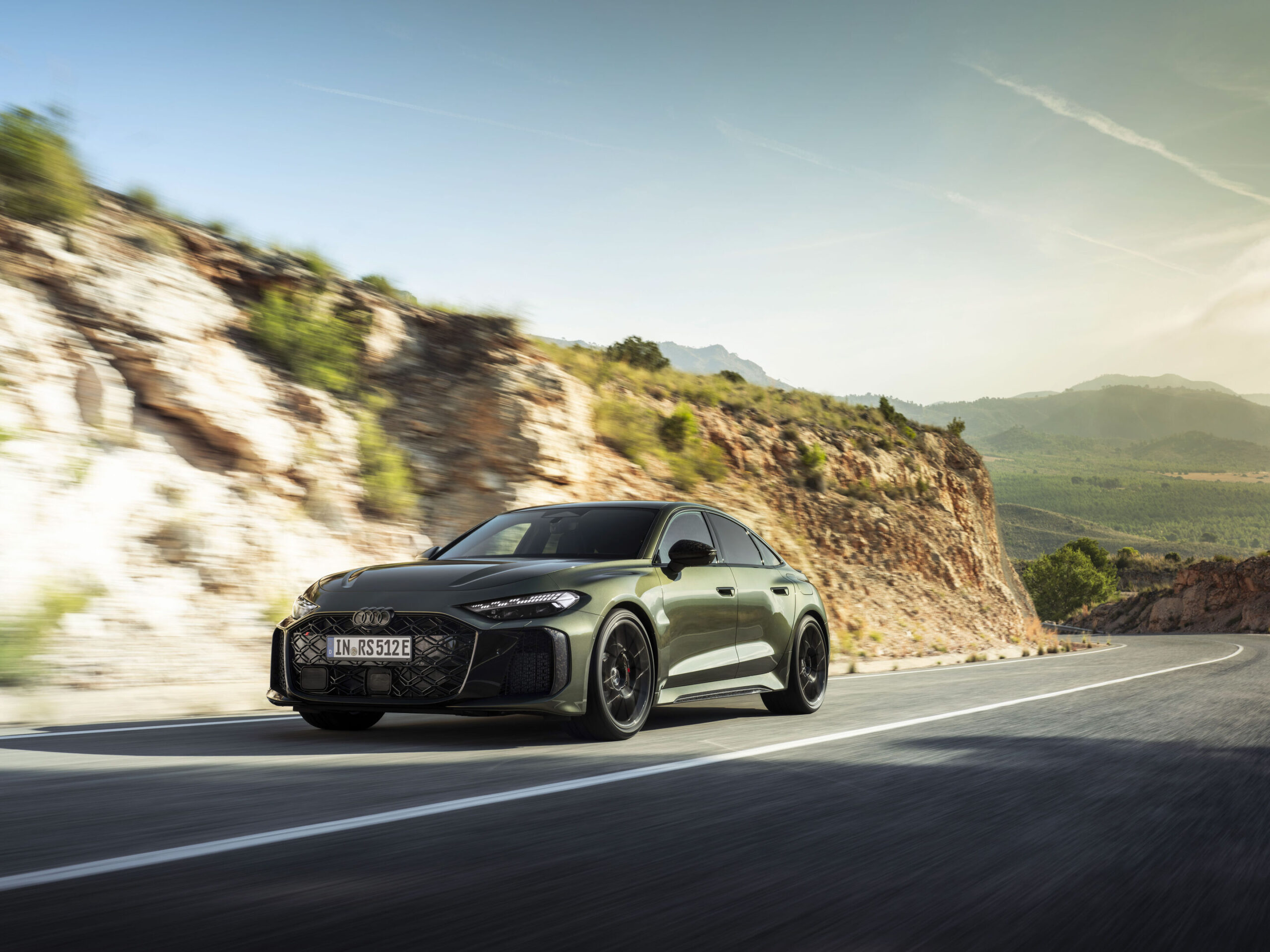 New Audi RS5 e-hybrid: 639PS plug-in, £89,400 and what UK buyers getAudi RS5 e-hybrid UK price from £89,400: 639PS plug-in V6, 50-plus EV miles and what new buyers get. Orders op...
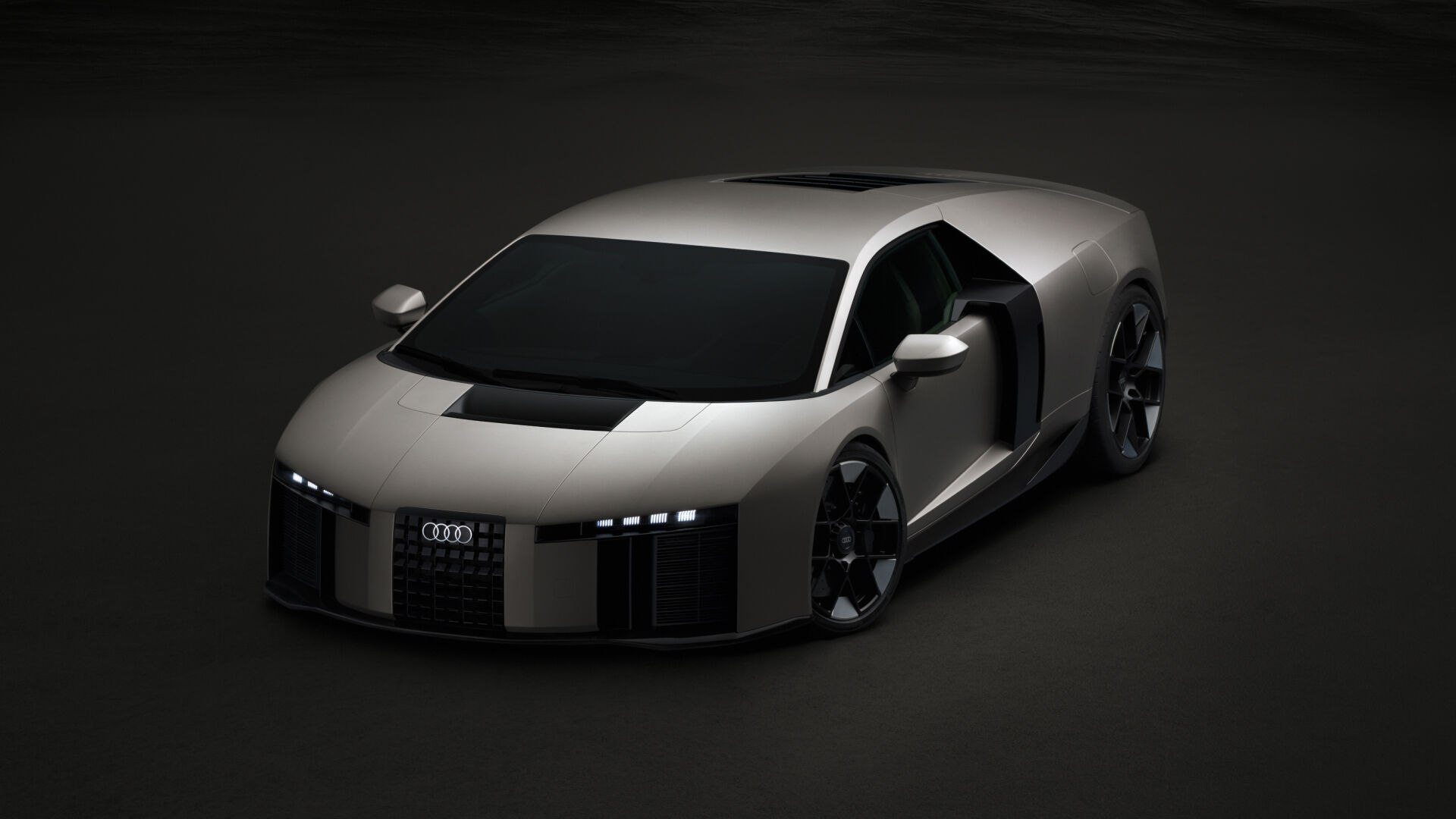 Audi Nuvolari revealed: the V8 successor to the R8Audi Nuvolari revealed: a 1,001 PS V8 hybrid successor to the R8, 499 units, deliveries from 2027. UK price no...
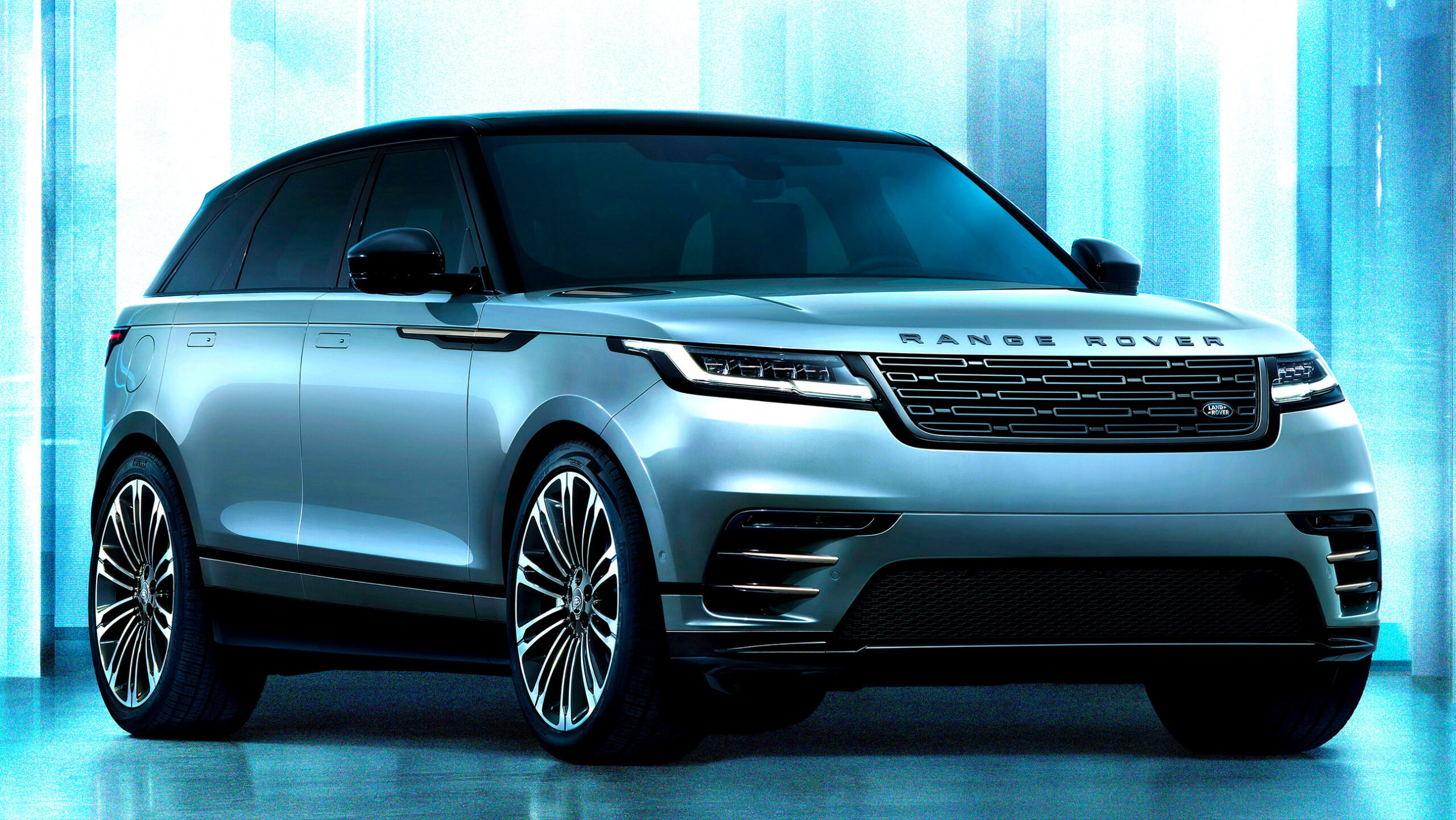 JLR mild-hybrid power-loss recall: what UK owners must checkJLR mild hybrid recall: which 2019-2024 MHEV Range Rover, Defender and Jaguar models are affected and how UK o...
Buyer action
Where to check next
Use this as the final check before paying a deposit, signing finance paperwork or relying on a headline monthly figure.