News · 1 Aug 2012 · Car Deal Expert Editorial Team
Originally published 2012-08-01. This article is part of the CarDealExpert historical archive — see our latest UK car-finance, insurance and used-car coverage in the menu above.
Picking the right coolant is a colorful affair
There’s yellow coolant in there. Don’t muddy the mix with orange, red or blue coolant unless you have no other choice. (Photo Credit: CC BY/schwartz.mark/Flickr)
It’s summertime, and the sun is making your car’s cooling system work overtime. If it has been a while since you last checked the fluid level in the radiator, then it’s high time you popped the hood. If you don’t have any coolant on hand, be sure to buy some. But when it comes to picking the right coolant, what color is best for your car – red, green or orange? Thankfully, easy answers are out there, reports Popular Mechanics.
Try not to mingle when picking the right coolant
Remember when picking the right coolant that not all antifreeze is the same. Early cooling system corrosion can occur if you make the wrong choice. Different types of antifreeze have different types of rust and corrosion inhibitors. Newer orange and red brands of antifreeze contain organic acids that can only be used in aluminum radiators. Older cars with copper and brass radiators work better with the green brands of antifreeze that do not have these acids. Other colors would cause early corrosion in non-aluminum systems. If you happen to be installing an aluminum radiator into a car, however, it is recommended that standard yellow, green or gold silicate antifreeze is used.
Don’t despair if you must use the wrong color
If you’re stuck and the only way to hit the road again is to use antifreeze of the wrong color, it isn’t the end of the world; it is only inadvisable in large amounts. Running low on coolant and causing your engine to overheat is much worse. Just keep in mind that mixing antifreeze types does shorten the overall life of the coolant. Thus, if the coolant manufacturer recommends replacing the coolant every 36,000 miles, mixing may reduce that figure to 30,000 miles.
Mix it right
Let’s say your radiator is empty. You’ll want a 50:50 mix of antifreeze and water. Why is this? Popular Mechanics writes that water itself would cool your engine fine, but it doesn’t have anticorrosion additives. Water boils over and it freezes, which makes additives important. Ethylene glycol coolant extends those boiling and freezing points effectively, but only if it is mixed with water. Too much ethylene glycol (70 percent of the mix, let’s say) won’t transfer heat away from the engine as effectively as water. That can cause overheating. A balanced (isotonic) mixture of water and ethylene glycol coolant gives your engine the best heat and cold protection
Disposing of the evidence
If you happen to be draining your radiator at home, don’t forget to dispose of the old antifreeze properly. Contact your local fire department for information as to how that should be done.
Sources:
Leaking coolant horror story: How to test for a blown head gasket
From the current CDE newsroom
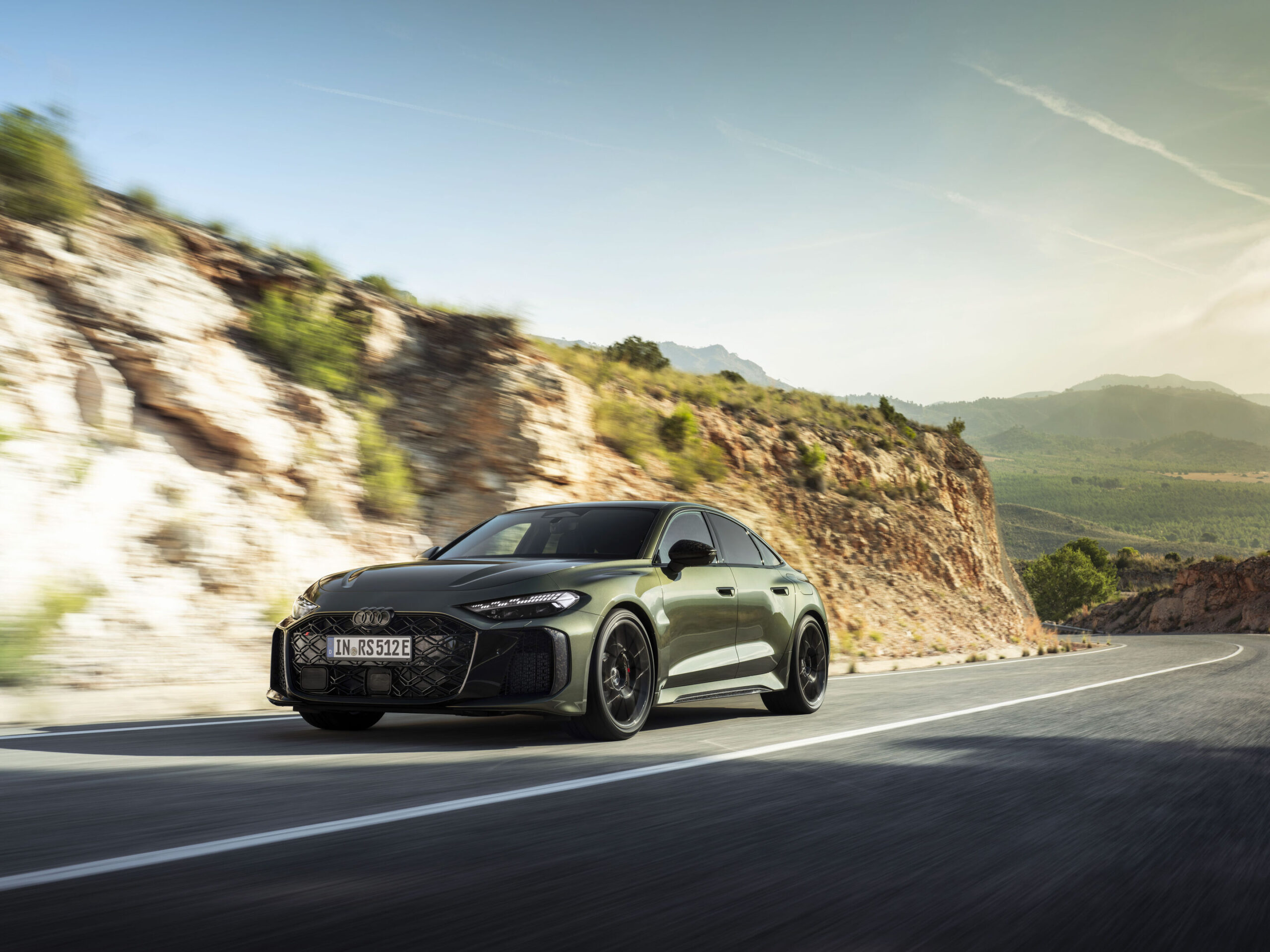 New Audi RS5 e-hybrid: 639PS plug-in, £89,400 and what UK buyers getAudi RS5 e-hybrid UK price from £89,400: 639PS plug-in V6, 50-plus EV miles and what new buyers get. Orders op...
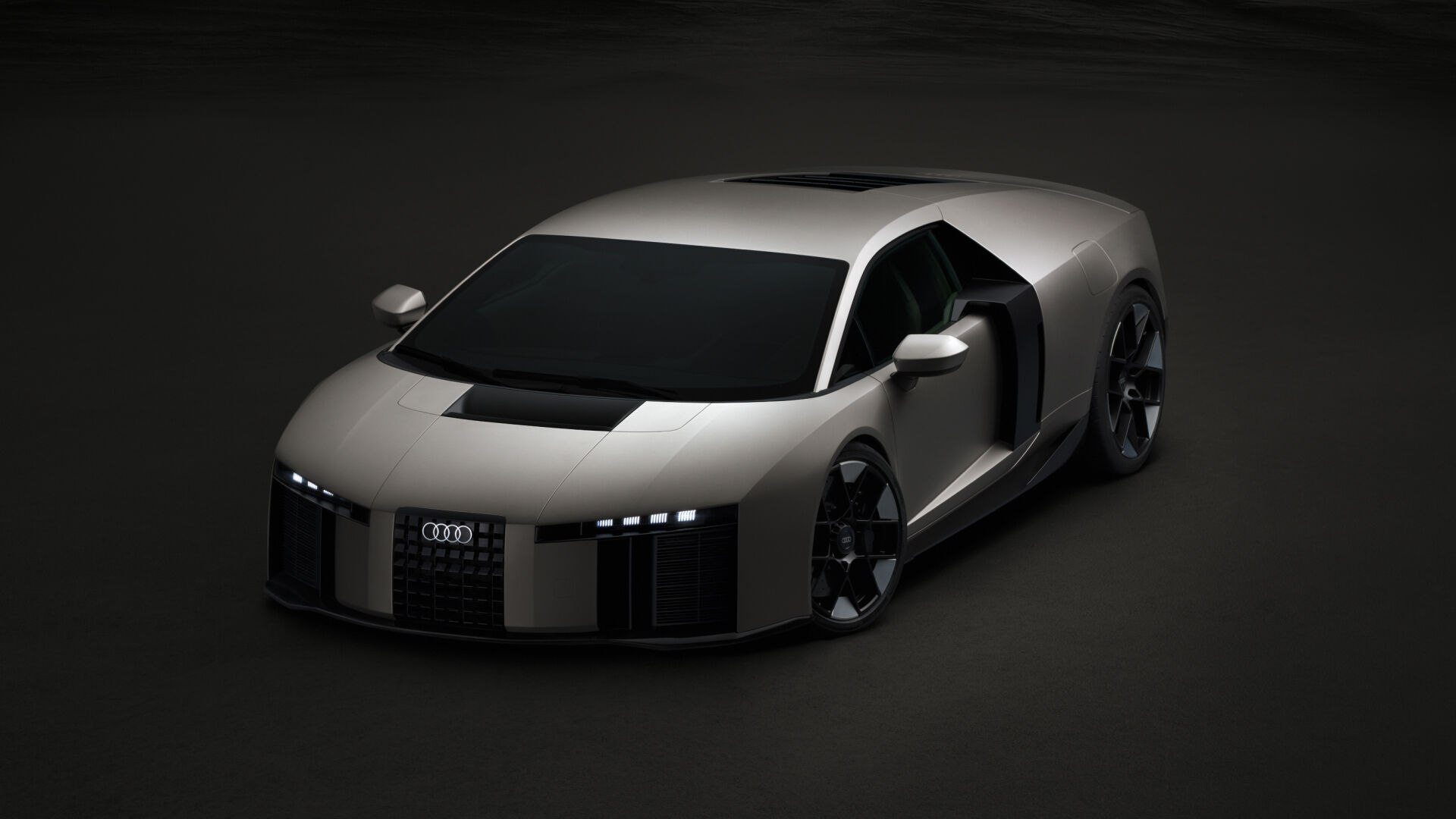 Audi Nuvolari revealed: the V8 successor to the R8Audi Nuvolari revealed: a 1,001 PS V8 hybrid successor to the R8, 499 units, deliveries from 2027. UK price no...
 JLR mild-hybrid power-loss recall: what UK owners must checkJLR mild hybrid recall: which 2019-2024 MHEV Range Rover, Defender and Jaguar models are affected and how UK o...
Buyer action
Where to check next
Use this as the final check before paying a deposit, signing finance paperwork or relying on a headline monthly figure.