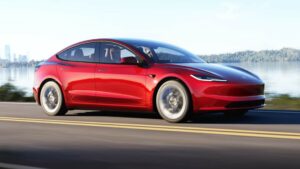
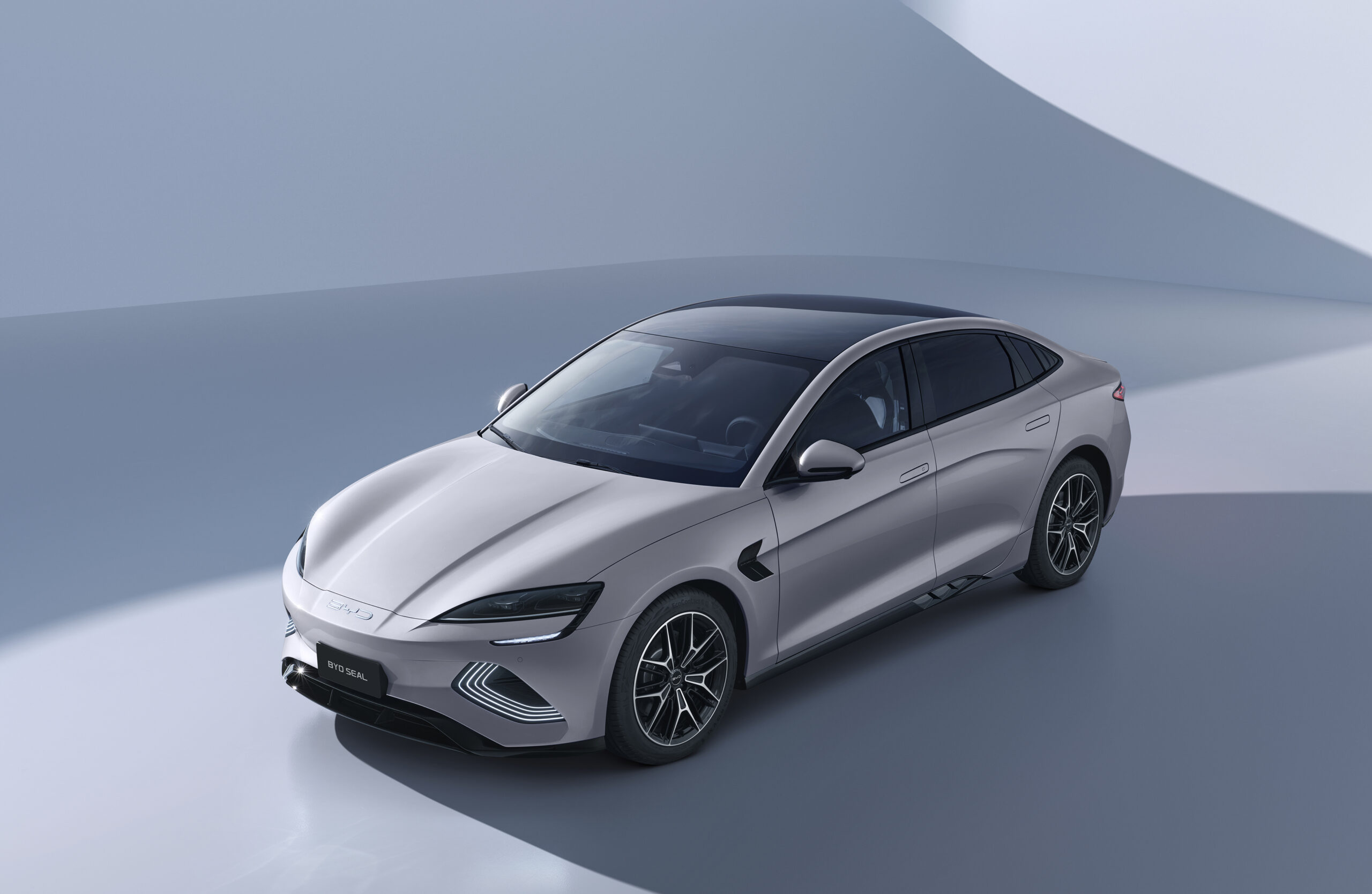
BYD Seal vs Tesla Model 3 is the salary sacrifice fight that defines 2026 for higher-rate UK taxpayers, because both cars sit in the 4% benefit-in-kind band that makes a premium EV cost a fraction of its list price through payroll. The Seal Design undercuts on net monthly cost; the Model 3 Long Range answers with 466 miles of range and the Supercharger network. We score both below and tell you which one we would put on a four-year scheme.
What real owners say (CDE data)
For this comparison we read owner discussion across the Speak EV forum, the MyBYD owners’ community and the r/TeslaUK and r/electricvehicles threads tagged for UK drivers, alongside the published Carwow and Autocar road tests and Fleet Alliance’s 2026 salary sacrifice pricing, checked on 9 June 2026. We did not drive either car for this piece; the judgements below weigh those sources against the manufacturers’ own UK specification pages.
- Most-praised aspects: Seal owners single out ride comfort, the quiet cabin and the standard kit list; Model 3 drivers praise real-world efficiency, the steering and Supercharger reliability.
- Most-criticised aspects: Seal feedback flags vague steering and a fiddly menu layout; Model 3 feedback flags the stalkless column, firm ride and a cabin some find too sparse.
- Reliability signal: both are recent designs with limited UK fault history; BYD’s blade LFP battery and the Model 3’s track record both read as durable, and neither carries an open DVSA recall on the current single-motor UK cars at the time of writing.
The two cars on paper, side by side
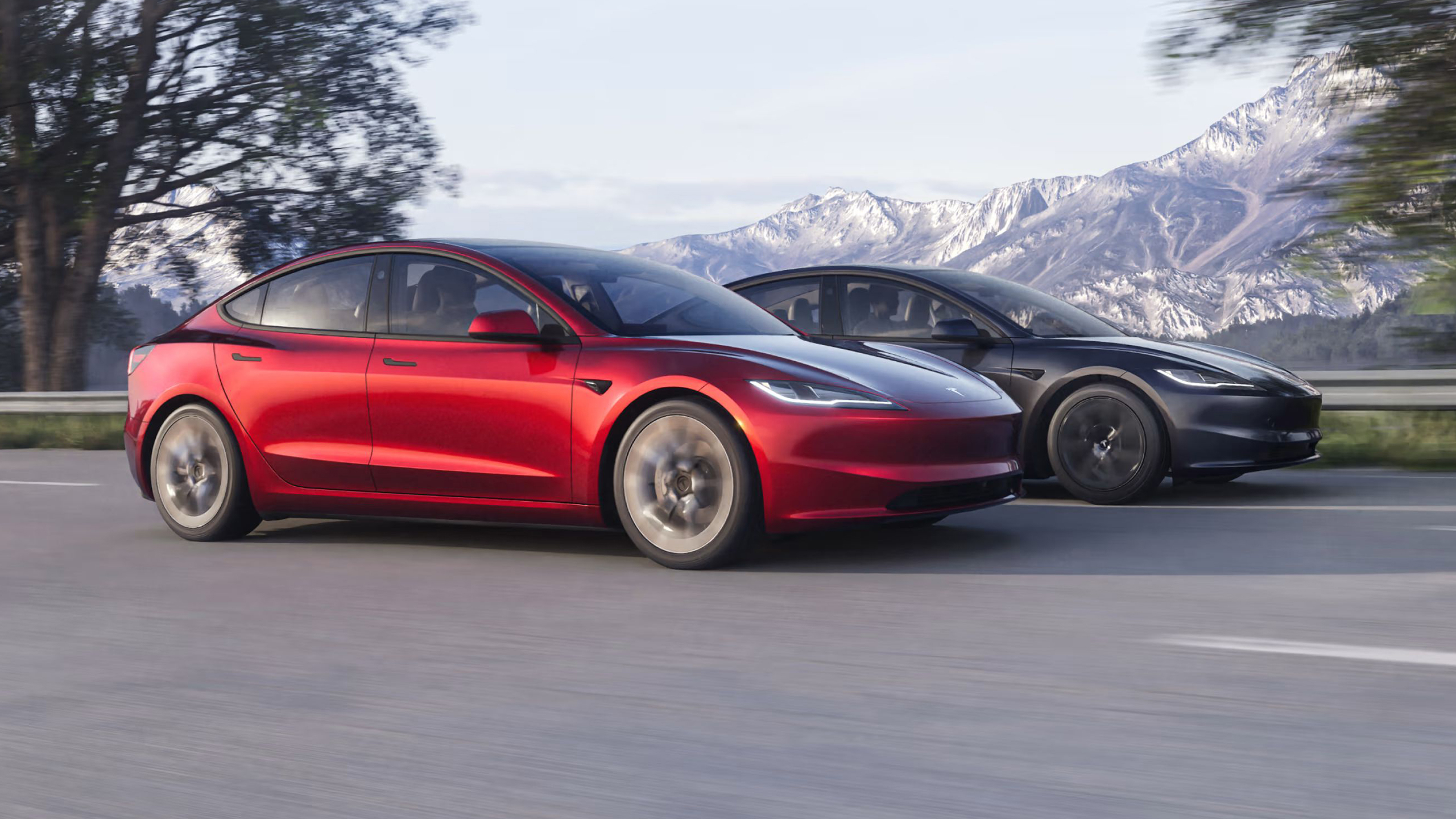
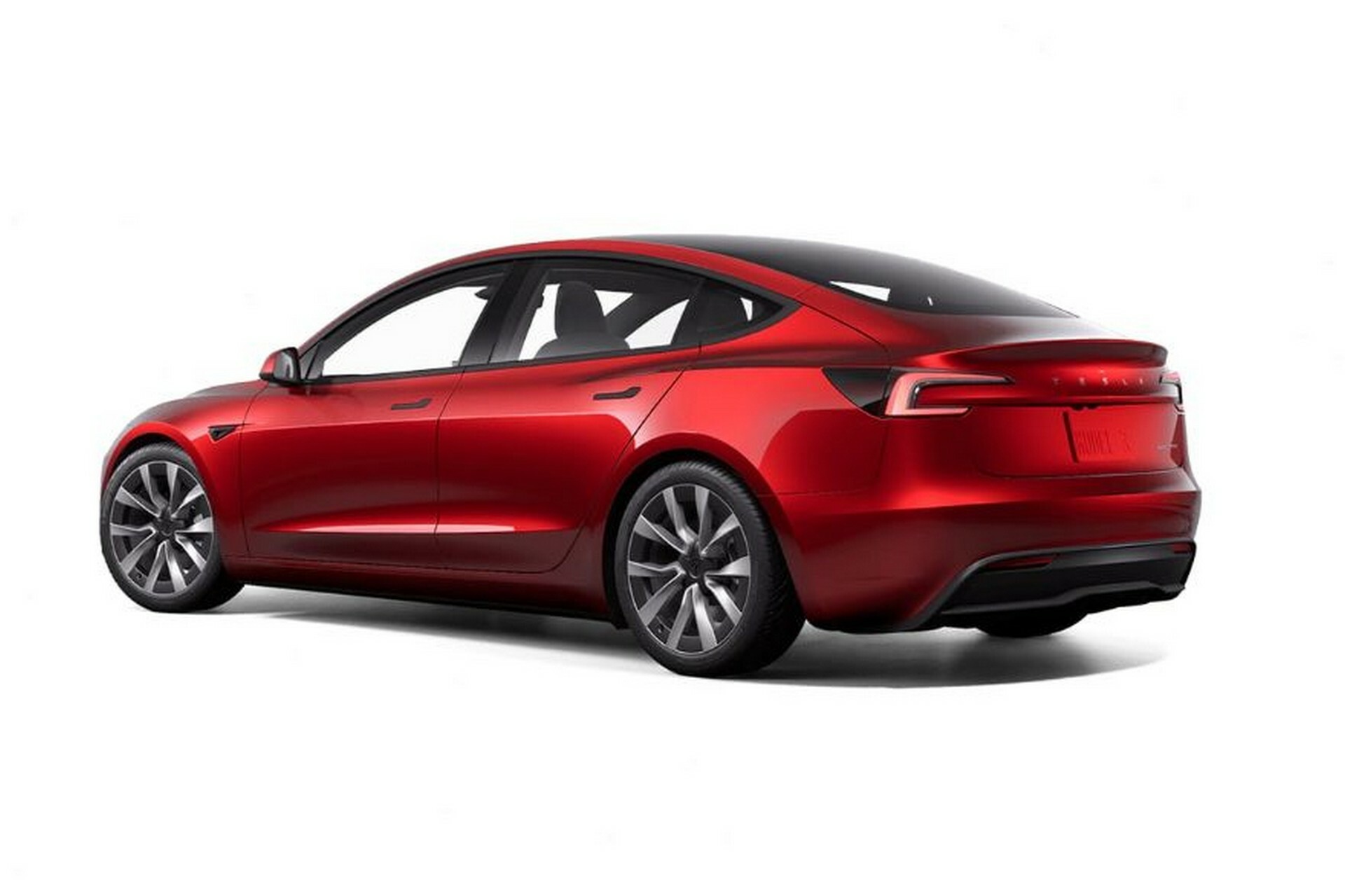
Start with the headline numbers, because a salary sacrifice decision lives or dies on list price (which drives the P11D figure), range and charging speed. The BYD Seal Design is the single-motor, rear-wheel-drive version with the big 82.5kWh blade battery; the Tesla Model 3 Long Range Rear-Wheel Drive is the efficiency champion of the Tesla range. Both are saloons of almost identical footprint, both are rear-driven, and both land in the same tax band. The table below pulls the core specs straight from each maker’s UK pages.
| Spec | BYD Seal Design | Tesla Model 3 Long Range RWD |
|---|---|---|
| OTR price (from) | £45,730 | £44,990 |
| Range (WLTP) | 354 miles | 466 miles |
| Battery (usable) | 82.5kWh LFP (blade) | ~75kWh |
| Power | 308bhp | 315bhp (235kW) |
| 0-62mph | 5.9 seconds | 5.2 seconds |
| Peak rapid charging | 150kW (10-80% in 37 min) | ~250kW on V3 Superchargers |
| Boot | 485 litres | 594 litres (plus frunk) |
| Warranty | 6yr / 93,750 miles | 4yr / 50,000 miles |
That single table already frames the argument. List prices are within a few hundred pounds of each other, so this is not a budget-versus-premium fight; the Seal is the better-equipped car as standard with a longer warranty, while the Tesla is quicker, charges faster and goes much further between plug-ins. If you are weighing this against an SUV instead, our look at how the best home EV chargers for 2026 compare matters more than the rapid figures, because most sal-sac drivers charge overnight at home.
How salary sacrifice makes both cars cheap
Salary sacrifice works by giving up a slice of gross pay in exchange for the car, so you save Income Tax and National Insurance on the sacrificed amount. The only tax you then pay is benefit-in-kind on the company-car value. For pure EVs the appropriate percentage is set low on purpose: per HMRC’s published appropriate-percentage tables, the zero-emission rate is 4% for 2026/27, rising to 5% for 2027/28. On a roughly £46,000 to £50,000 car that BiK charge is tiny next to the tax relief on the sacrifice, which is why a 40% taxpayer can run either of these for a few hundred pounds a month.
The mechanism, and the way schemes bundle insurance, servicing and tyres into the single gross deduction, is the same whichever badge you choose. We set it all out in our 2026/27 company car tax and EV BiK guide, and the scheme-rule differences (early exit, what is included) are covered in our Octopus EV versus Loveelectric comparison. Read both before you sign, because the provider rules matter as much as the car.
Round 1: net monthly cost and the BiK bill
This is where the Seal lands its biggest punch. Fleet Alliance reports a net salary sacrifice cost of about £475 a month for the BYD Seal 230kW Design on a typical higher-rate scheme, against roughly £783 a month for an equivalent personal contract hire, a saving of around £308 a month for a 40% taxpayer. With near-identical list prices the two cars start from a similar P11D figure and both sit in the 4% BiK band, so the Seal’s edge comes from the lease rate and bundled-cost package rather than the tax: BYD’s aggressive sal-sac pricing tends to land its monthlies a little under the Tesla’s. Both crush an equivalent petrol saloon on monthly outlay, but pound for pound the Seal is currently the cheaper car to put on payroll.
One caveat worth stating plainly: the BiK rate climbs to 5% in 2027/28 and keeps stepping up after that, so the net figure on a four-year scheme is not fixed for the whole term. That affects both cars equally, and we explain the trajectory and the traps in our piece on the hidden costs of an EV salary sacrifice in 2026. Round 1 winner: BYD Seal, on raw net monthly cost.
Round 2: range and real-world efficiency
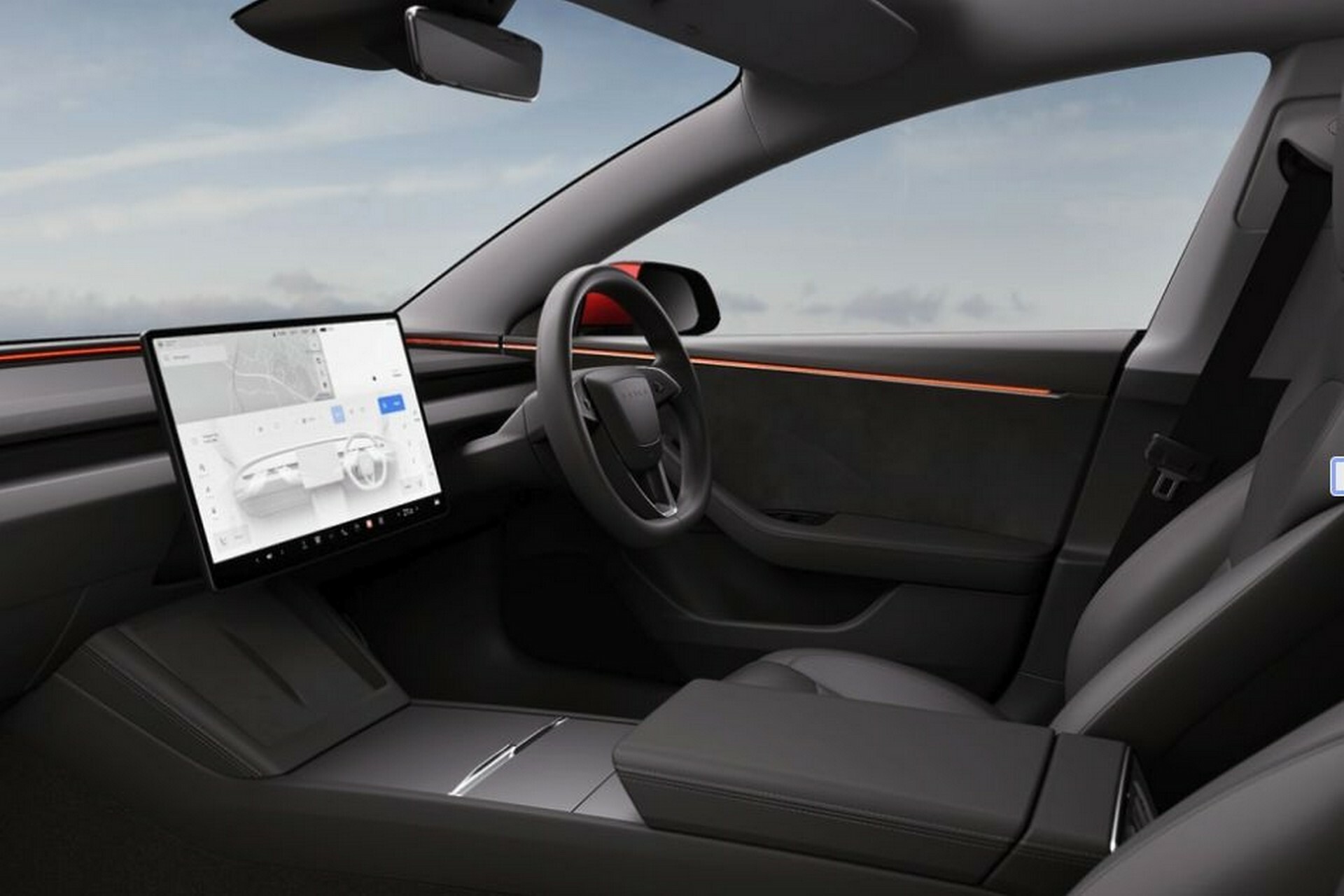
On the official WLTP figures the Tesla wins comfortably: 466 miles for the Model 3 Long Range against 354 miles for the Seal Design. That 112-mile gap is not a rounding error, it is the difference between two motorway charging stops and one on a long run north. Tesla’s efficiency advantage is structural, helped by the slippery body and a heat pump that has been refined over several model years, so the real-world deficit for the Seal tends to be a little worse than the headline numbers in winter. The Seal’s saving grace is that 82.5kWh blade battery, which gives it a usable everyday range that most commuters will never trouble.
If your week is school run, office and the odd weekend away, both cars are overkill and the gap barely registers. If you regularly drive 250 miles in a sitting, the Model 3 is the one that lets you do it with a single short stop. Round 2 winner: Tesla Model 3, on range and efficiency.
Round 3: charging and the Supercharger trump card
This is the round you cannot let the Seal win by default, because charging is where Tesla’s ecosystem still leads the market. The Model 3 peaks at around 250kW on a V3 Supercharger and, more importantly, plugs into the most reliable, best-mapped rapid network in the UK, with pricing and bays built around the car. The Seal tops out at 150kW and relies on the public network (Instavolt, Gridserve, BP Pulse and the rest), which is improving fast but is still more of a lottery on reliability and queueing. For a sal-sac driver who does occasional long trips, the Supercharger experience genuinely changes ownership.
Tesla has opened parts of its network to other EVs, but Model 3 owners still get the smoothest, plug-and-charge experience. The Seal’s slower peak also means longer top-ups on a journey, compounding the range gap. Round 3 winner: Tesla Model 3, decisively, on charging.
Round 4: interior, kit and everyday usability
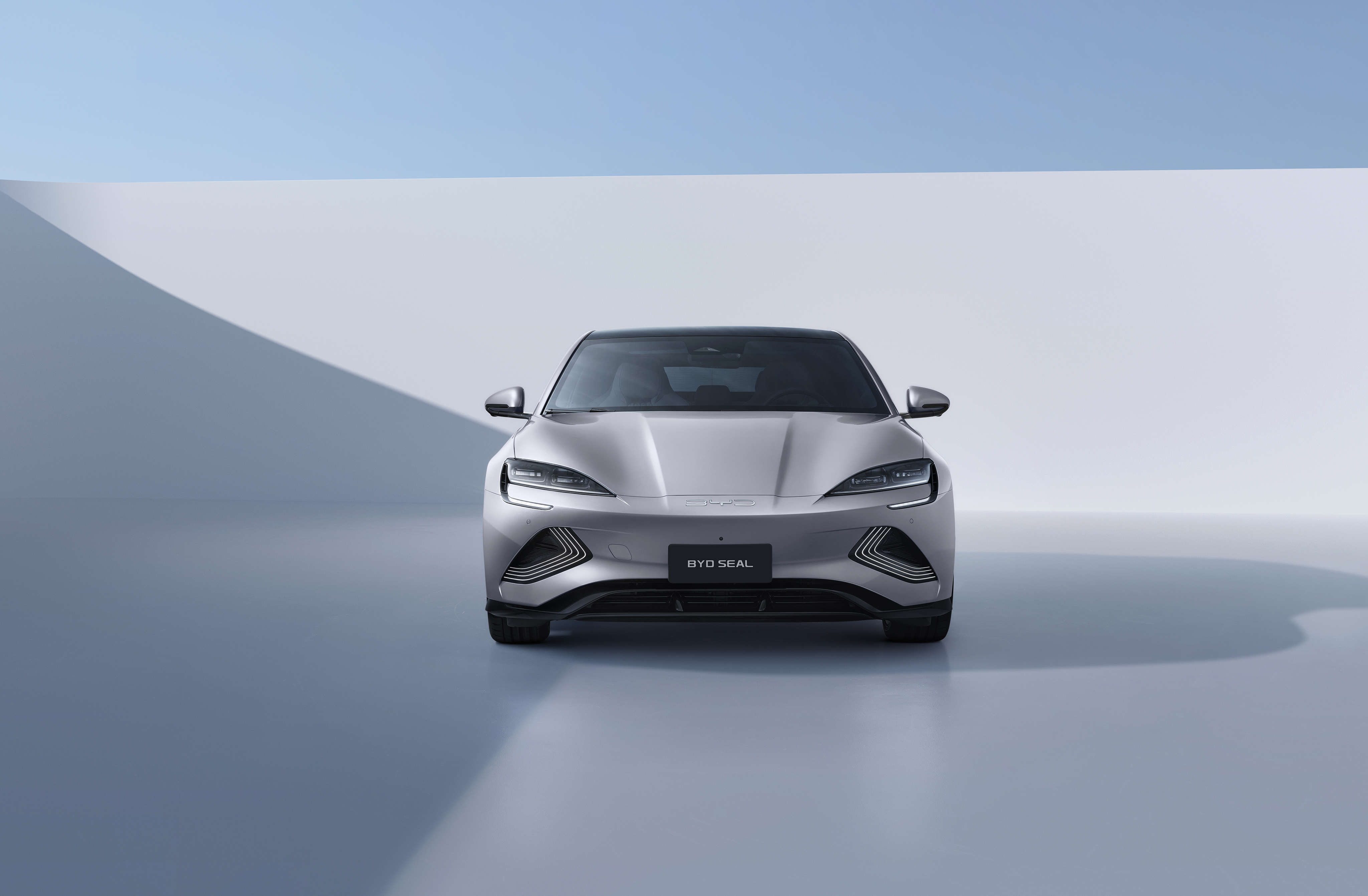
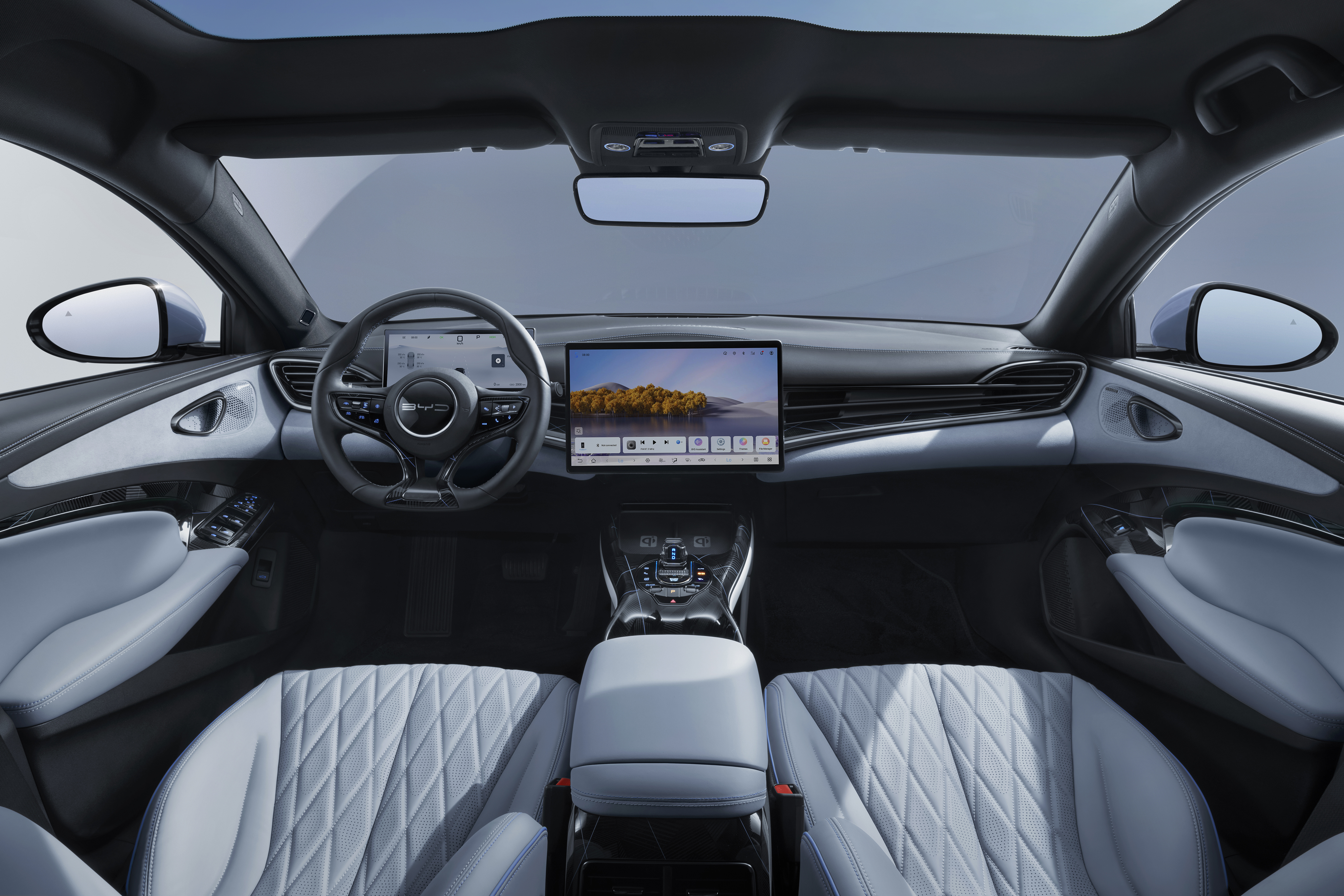
Here the Seal flips the script. BYD throws the kit book at the Design trim: a panoramic glass roof, a 12-speaker Dynaudio system, a rotating 15.6-inch screen, ventilated seats and a genuinely plush cabin are all standard, where Tesla keeps the Model 3 famously minimalist. The Seal also keeps physical stalks and a proper drive selector, which many drivers prefer to Tesla’s stalkless, touchscreen-led approach. Carwow’s head-to-head road test gives the design and cabin nod to the BYD on material feel, even if it rates the Tesla higher to drive.
The Model 3 fights back on space and software: a 594-litre boot plus a front trunk, the slicker infotainment and over-the-air updates that keep adding features. The Seal’s 485-litre boot is good but it has no frunk worth the name. If you value plush standard kit and conventional controls, the Seal is the nicer place to sit; if you value boot space and software polish, the Tesla edges it. Round 4 winner: BYD Seal, narrowly, on standard equipment and cabin comfort.
Round 5: residuals, warranty and scheme risk
Residual value matters less to you directly on a sal-sac car, because the provider carries the disposal risk, but it feeds straight into the monthly rental, so a stronger residual means a cheaper deal. Tesla still holds value better than most Chinese EVs in the UK used market, which helps keep its monthlies competitive. BYD is newer here and its residuals are less proven, a point we explore in our look at which premium EVs hold their value in 2026. On warranty, though, the Seal is far stronger: six years and 93,750 miles plus an eight-year battery warranty, against Tesla’s four years and 50,000 miles.
The other risk is the scheme itself. If you leave your employer mid-term, early-exit terms can bite hard, and that applies to both cars; understand the cover in our EV battery warranty explainer and treat the warranty length as a tiebreak only if you plan to keep the car at the end. Round 5 winner: a draw, Tesla on residual strength, BYD on warranty length.
Who should pick which, and the deal-breakers
Tally the rounds and it is close: the Seal takes net cost and cabin, the Model 3 takes range and charging, and round five splits. The deciding question is how you drive. A driver whose life is local, who charges at home and wants maximum kit for minimum gross sacrifice should take the Seal and pocket the difference. A driver who does regular long motorway runs, or who simply wants the most polished EV to live with, should pay the small premium for the Model 3 and its Supercharger access. Neither is a wrong answer; they are answers to different questions.
One more thing we would check before signing either: whether the provider bundles insurance, and at what excess, because a young or London-postcode driver can see that swing the net figure more than the car choice does. If you want to see how the same maths plays out on the Tesla specifically, our Tesla Model 3 salary sacrifice breakdown for 2026 runs the bands in detail.
BYD Seal vs Tesla Model 3: our salary sacrifice verdict
Our view on the BYD Seal vs Tesla Model 3 salary sacrifice question: the Seal is the better-value car on payroll and the more comfortable, better-equipped place to sit, and for the majority of UK drivers who charge at home that is the smarter sacrifice. We would take the Seal Design, accept the slightly shorter range, and enjoy the longer warranty and the £300-odd a month it saves over a personal lease. The Model 3 remains the better all-rounder and the one to choose if you drive long distances often, because the Supercharger network and the 466-mile range remove the only real friction in EV ownership. Walk away from either only if your scheme’s early-exit terms look punitive or your job feels shaky, because leaving mid-term is where sal-sac hurts. Check the insurance bundle, the BiK step to 5% from 2027/28, and the residual-driven monthly before you commit.
Our score: 8.5/10 (BYD Seal Design)
Our score: 8.7/10 (Tesla Model 3 Long Range)
Is the BYD Seal or Tesla Model 3 cheaper on salary sacrifice?
What is the EV benefit-in-kind rate for 2026?
Which has the longer range, the BYD Seal or Tesla Model 3?
Does the Tesla Supercharger network make the Model 3 the better buy?
What happens to my salary sacrifice car if I leave my job?
Which car has the better warranty?
Buyer action
EV and salary-sacrifice checks
Use this as the final check before paying a deposit, signing finance paperwork or relying on a headline monthly figure.