News · 1 Apr 2018 · Car Deal Expert Editorial Team
Originally published 2018-04-01T15:20:45+00:00. This article is part of the CarDealExpert historical archive — see our latest UK car-finance, insurance and used-car coverage in the menu above.
Vehicles with lots of gears make better use of available power, but there are trade-offs. Image: TonyAustin / Flickr / CC BY-SA
Making the most efficient use of fuel is the new name of the game in car manufacturing. At the 2011 auto show, Ford representatives confirmed that the company is researching seven- and eight-speed transmissions. These high-efficiency transmissions are already being used in BMW, Audi and Lexus vehicles.
The benefit of high-gear transmissions
Transmissions that use a high number of gears have been used in some applications for many years. Having more gears allows a machine to make more more efficient of available power, and it makes for a more adaptable transmission. Several different vehicle makers are starting to make use of this flexibility in vehicles. More gears means less fuel use and higher efficiency.
High-gear transmissions versus CVT
Continually variable transmissions, which are used in the Toyota Prius, are another tool used to achieve greater fuel efficiency. CVTs are different from multi-gear transmissions; they do not have single gears. Instead, they cycle continually through gear ratios depending on the load placed on the engine. Engines that use multiple gears tend to have slightly better pick-up and response time. While the difference for everyday drivers is relatively minimal, it is enough to be noticeable. In the high-competition arena of vehicle manufacturing, those minor differences could be enough to make or break the sale of a vehicle.
Balancing fuel efficiency and performance
Many vehicle makers are trying to use CVT and high-number gears to increase the efficiency of engines while maintaining performance. The theory is that American car buyers will not go green unless they are able to keep the high-power performance they are used to. The high number of orders for Nissan Leaf vehicles shows electric cars are growing in popularity, but trying to balance power and efficiency may not be nearly as popular as a move toward pure efficiency. As with all changes to the vehicle industry, though, it will take a long time for newer cars with improved fuel efficiency to displace the cars currently being driven.
From the current CDE newsroom
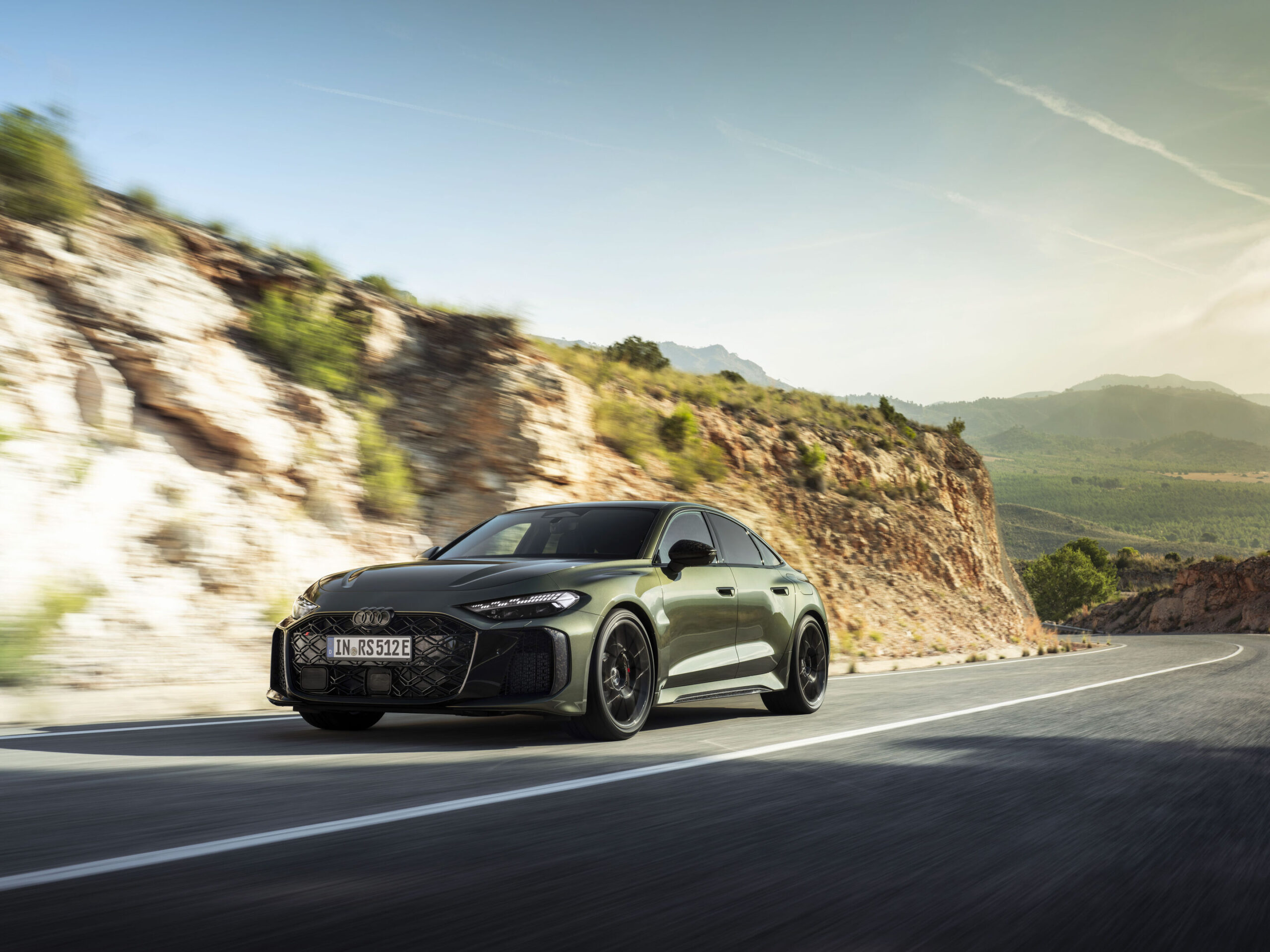 New Audi RS5 e-hybrid: 639PS plug-in, £89,400 and what UK buyers getAudi RS5 e-hybrid UK price from £89,400: 639PS plug-in V6, 50-plus EV miles and what new buyers get. Orders op...
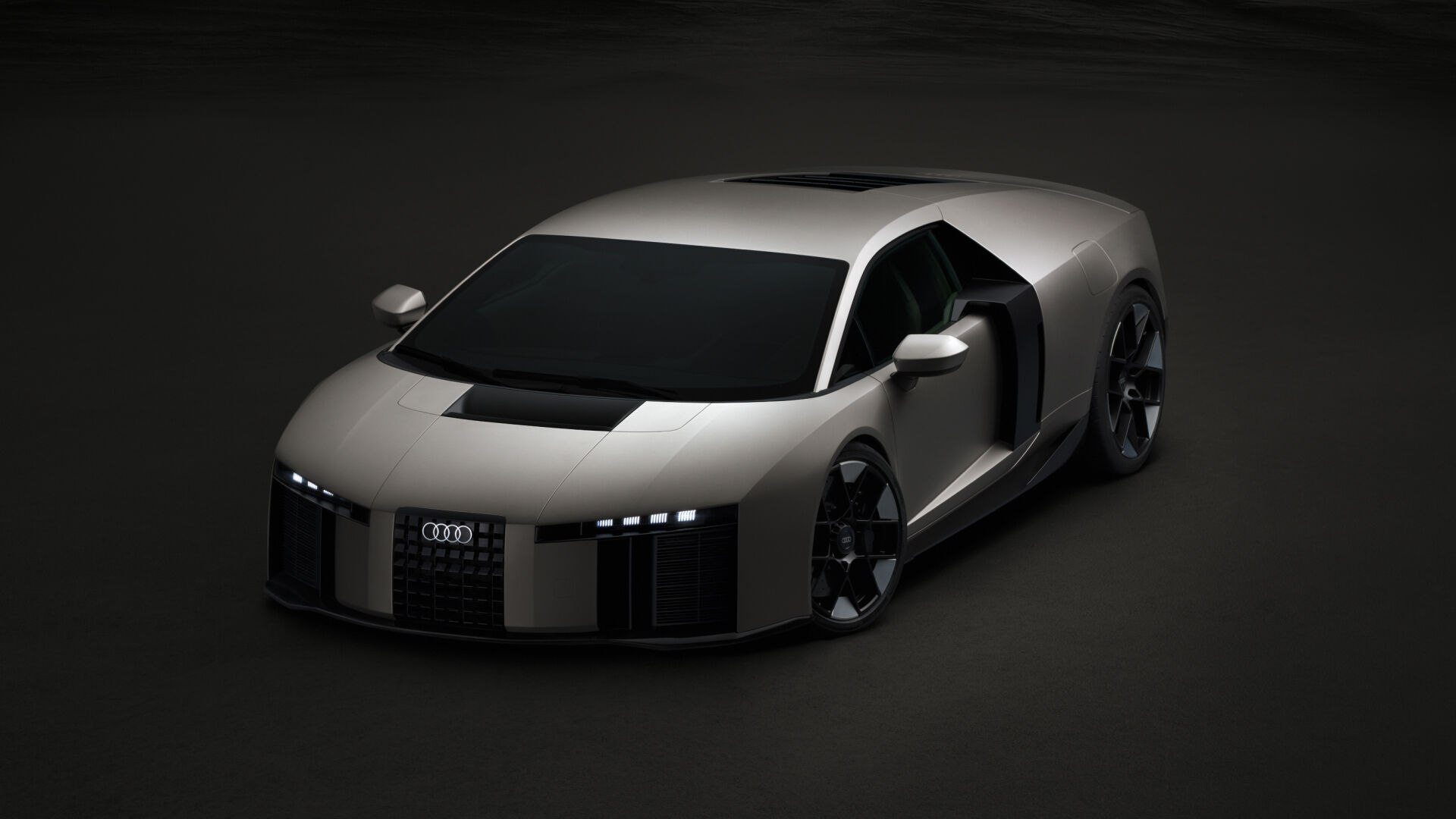 Audi Nuvolari revealed: the V8 successor to the R8Audi Nuvolari revealed: a 1,001 PS V8 hybrid successor to the R8, 499 units, deliveries from 2027. UK price no...
 JLR mild-hybrid power-loss recall: what UK owners must checkJLR mild hybrid recall: which 2019-2024 MHEV Range Rover, Defender and Jaguar models are affected and how UK o...
Buyer action
Where to check next
Use this as the final check before paying a deposit, signing finance paperwork or relying on a headline monthly figure.