News · 28 Sep 2017 · Car Deal Expert Editorial Team
Originally published 2017-09-28T17:54:59+00:00. This article is part of the CarDealExpert historical archive — see our latest UK car-finance, insurance and used-car coverage in the menu above.
Scottish whiskey by-products will power cars in the form of butanol, a biofuel that’s more efficient than ethanol. (Photo Credit: CC BY-SA/Andre Karwath/Wikipedia)
Scientists at Edinburgh Napier University’s Biofuel Research Center in Edinburgh, Scotland, have successfully used Scotch whiskey by-products to produce butanol biofuel, reports Cnet.com. These by-products – waste grains from the distillery process – can provide 30 percent more energy than traditional biofuels like ethanol when formulated into butanol, writes MIT Technology Review. That means more efficient burning and the potential for increased miles per gallon. Butanol is up to 25 percent more efficient than ethanol, writes Sky News.
Whiskey-based biofuel unburdened by ethanol’s limitations
Ethanol must be blended with traditional gasoline (and only in limited amounts), while butanol suffers from no such limitation. This is because butanol is already a key part of gasoline. Furthermore, as Technology Review reports, butanol is easier to transport through pipelines than ethanol, as it does not absorb water in the same manner as ethanol.
The powers that be love their corn
Thanks to the Renewable Fuel Standard, the U.S. corn industry enjoys large government subsidies for growing, tax credits and favorable tariffs to block foreign competition from undercutting on price. The Bastiat Institute indicates that the ethanol industry also has the ear of Congress, as its Fueling Freedom Plan calls for higher ethanol mix caps and more expensive engines to accommodate the new mix. The expense will fall squarely upon taxpayer shoulders.
Bastiat suggests that it is rather disingenuous for the ethanol lobby to suggest that the government has been holding them back, when so many taxpayer dollars have been committed to ethanol fuel research already. Using ethanol in lower percentages (10 percent or less) would boost octane, but it may be more prudent to explore the possibility of whiskey-based butanol if a more efficient fuel is truly desired. Research into cheaper methods of producing butanol would more worthy of taxpayer dollars.
Save as much as thousands of dollars on auto loans
[apply_button]
Sources:
Video news coverage of Scottish butanol production
From the current CDE newsroom
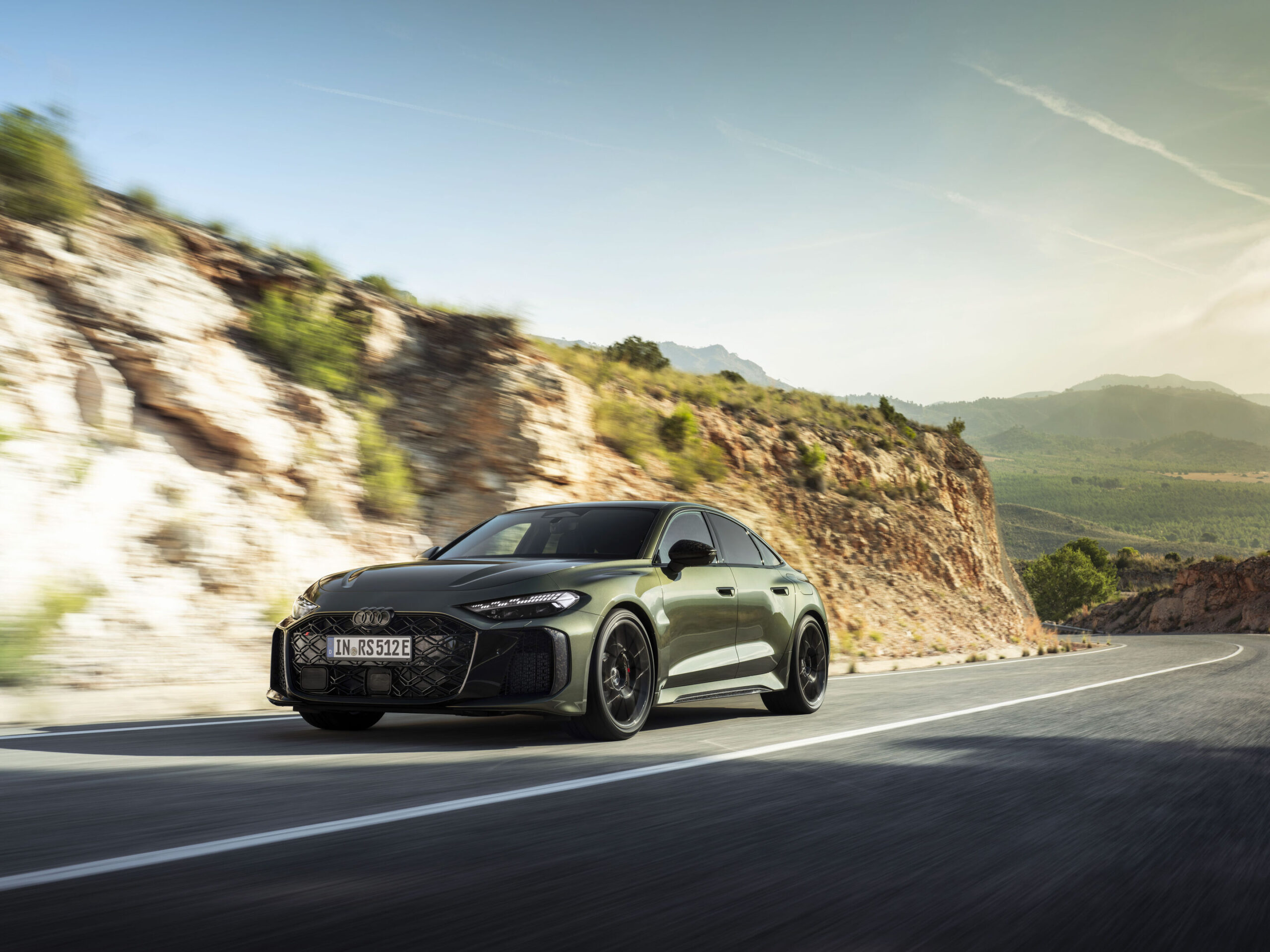 New Audi RS5 e-hybrid: 639PS plug-in, £89,400 and what UK buyers getAudi RS5 e-hybrid UK price from £89,400: 639PS plug-in V6, 50-plus EV miles and what new buyers get. Orders op...
 Audi Nuvolari revealed: the V8 successor to the R8Audi Nuvolari revealed: a 1,001 PS V8 hybrid successor to the R8, 499 units, deliveries from 2027. UK price no...
 JLR mild-hybrid power-loss recall: what UK owners must checkJLR mild hybrid recall: which 2019-2024 MHEV Range Rover, Defender and Jaguar models are affected and how UK o...
Buyer action
Where to check next
Use this as the final check before paying a deposit, signing finance paperwork or relying on a headline monthly figure.