News · 15 Sep 2016 · Car Deal Expert Editorial Team
Originally published 2016-09-15T05:03:27+00:00. This article is part of the CarDealExpert historical archive — see our latest UK car-finance, insurance and used-car coverage in the menu above.

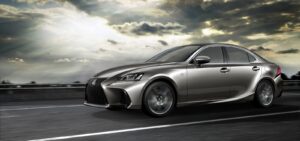
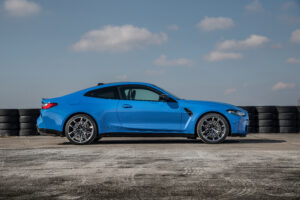
Emissions regulations are necessary, but possibly are misapplied on supercars. Image from Wikimedia Commons.
Emissions requirements are a controversial matter. Though the need for people to be better stewards of the environment is definitive, the compromises that are required for car makers to achieve them aren’t as well received. However, some of the biggest targets of emissions standards, supercars, are kind of pointless to go after.
High power means dirty tailpipes
During the past few years, many nations have been tightening emissions requirements, forcing car makers to produce cars emitting much less carbon dioxide and other pollutants. High-performance cars emit more carbon dioxide than the typical family sedan; large, powerful engines burn more fuel and thus produce greater emissions.
For instance, according to FuelEconomy.gov, a 2012 Aston Martin DBS with an automatic transmission emits 635 grams of greenhouse gases per mile. A 2012 Ford Focus, on the other hand, with an automatic transmission, puts out 287 grams per mile of greenhouse gases.
[Plenty of Mazdas have low emissions and there is a great Mazda selection in Valpariso, IN]
Compromises must be made
Supercar makers thus have to engineer their cars to fit emissions standards. For instance, Aston Martin, according to Automobile magazine, released a mini-car in 2011, the Cygnet, claiming its customers need a car more practical for city driving. However, most believe its a way to drastically reduce the CO2 emissions across the brand and thus fit emissions regulations. Not that the Cygnet is a bad car in any fashion.
Ferrari has gotten into the spirit. According to the Telegraph, Ferrari pledged in 2007 to reduce emissions across its entire range by 40 percent within five years. In 2010, the venerable car maker unleashed the High Emotion Low Emission system, which adds start-stop technology and other means of reducing emissions and increasing fuel efficiency, as an optional extra.
Little point in reality
Good stewardship of the environment is a definitive need; global warming is difficult to completely dismiss and the environmental damage done by many industries is atrocious. That said, it seems as though an exemption for supercars would be logical.
The reason is simple: so few “supercars” are sold. Aston Martin, according to BusinessWeek, sold 4,250 cars in 2010. Ferrari, according to AutoCar, sold 6,250 cars in that year. Pagani, according to CNN, sells about 20 cars per year. Even the domestic supercars don’t sell huge numbers, as Chevrolet, according to MotorTrend, sold 13,164 Corvettes in 2011.
Few can afford to buy them and few do. Thus, it makes little sense to have companies who make automotive engineering marvels to worry about fitting specifications. So few of them are on the road that it makes no difference.
From the current CDE newsroom
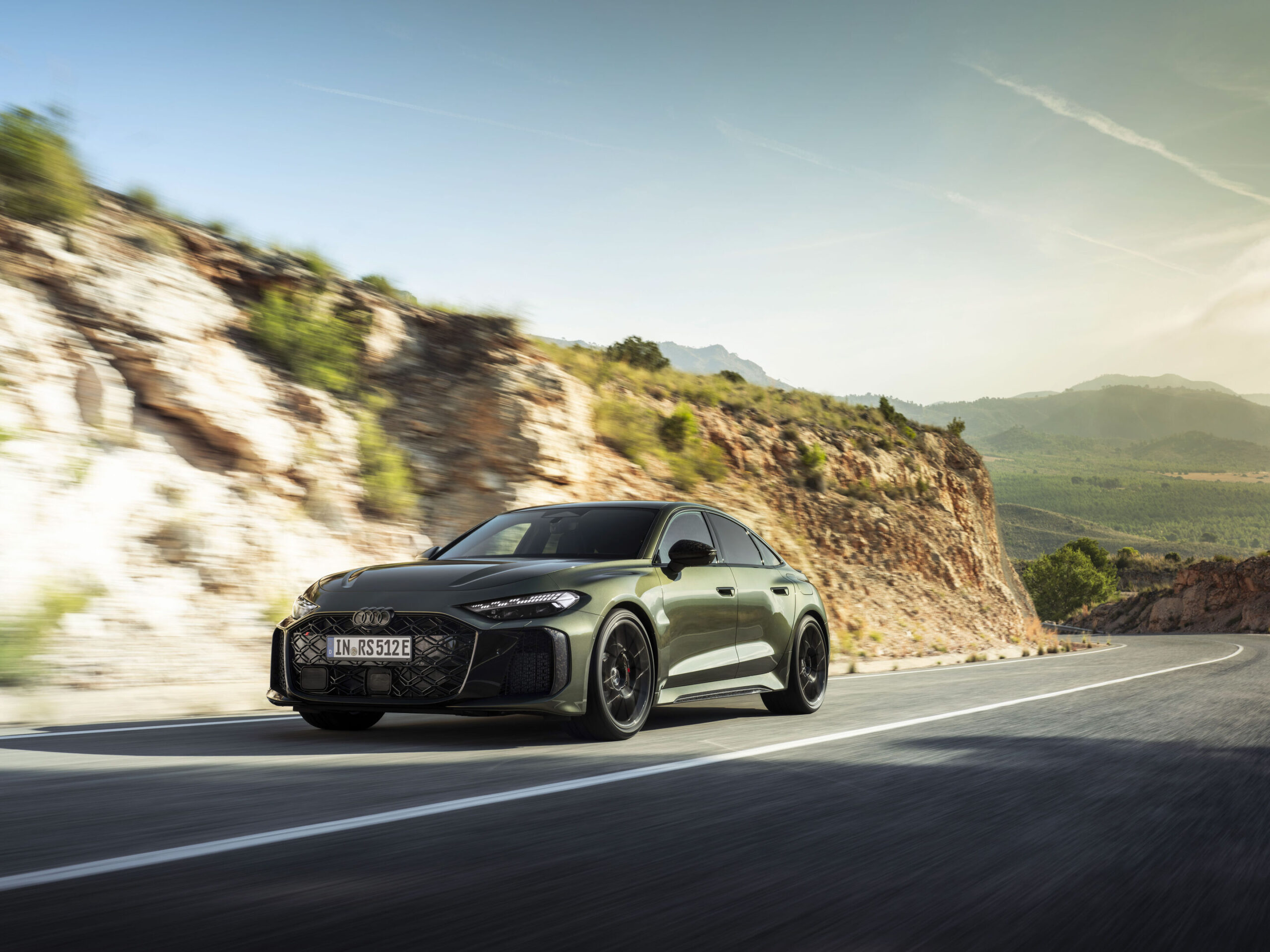 New Audi RS5 e-hybrid: 639PS plug-in, £89,400 and what UK buyers getAudi RS5 e-hybrid UK price from £89,400: 639PS plug-in V6, 50-plus EV miles and what new buyers get. Orders op...
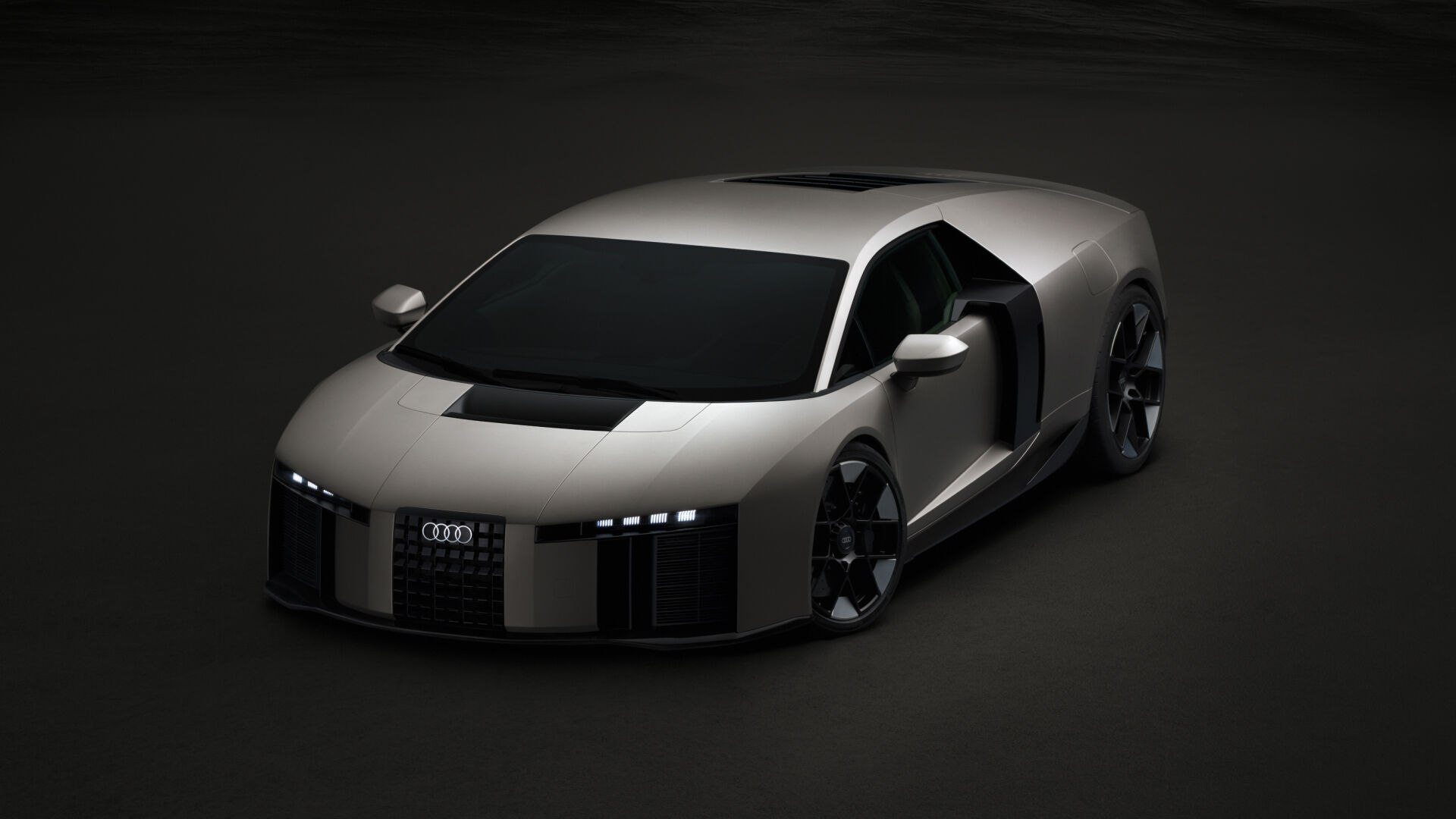 Audi Nuvolari revealed: the V8 successor to the R8Audi Nuvolari revealed: a 1,001 PS V8 hybrid successor to the R8, 499 units, deliveries from 2027. UK price no...
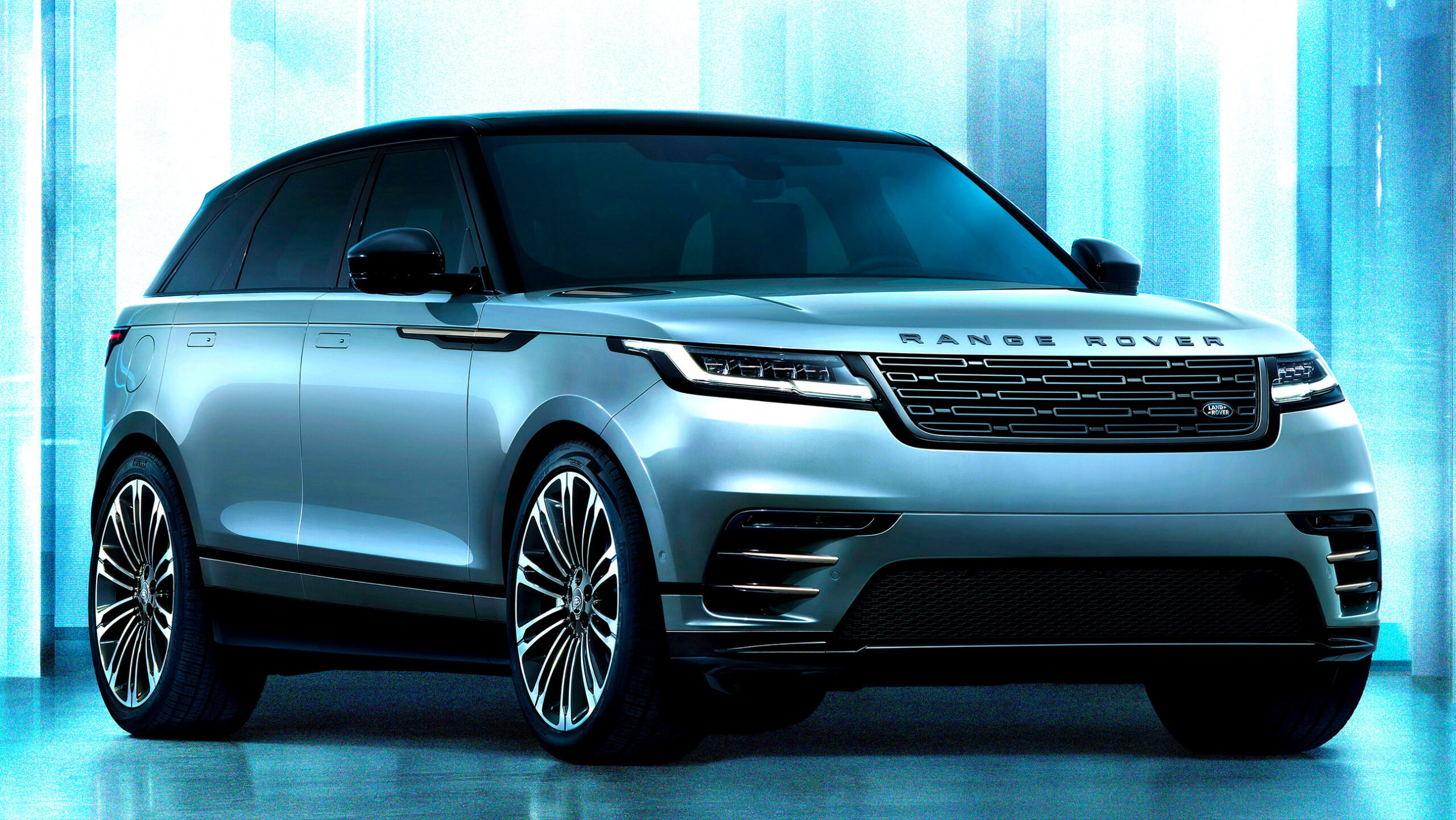 JLR mild-hybrid power-loss recall: what UK owners must checkJLR mild hybrid recall: which 2019-2024 MHEV Range Rover, Defender and Jaguar models are affected and how UK o...
Buyer action
Where to check next
Use this as the final check before paying a deposit, signing finance paperwork or relying on a headline monthly figure.