News · 11 May 2011 · Car Deal Expert Editorial Team
Originally published 2011-05-11. This article is part of the CarDealExpert historical archive — see our latest UK car-finance, insurance and used-car coverage in the menu above.

A warranty is always good protection when buying a used car from a dealer. Image from Flickr.
When you’re purchasing a used car, it is important to protect your investment – no matter who you buy it from. A warranty on a used car is a best-case scenario, but it is important to know that there are several different types of used car warranties. When you are purchasing a used car from a private party, warranty protections are very different than purchasing from a dealer. When you are buying from a dealer, which kind of warranty should you get, and what are your legal protections?
Buyer’s guide: warranty information
The Federal Trade Commission requires that all dealers that sell more than six cars a year must include a Buyer’s Guide on every car they sell. This Buyer’s Guide should give you basic information on the vehicle, including the warranties on the vehicle. This buyer’s guide is also a part of the sales contract. A buyer’s guide must include if the vehicle is being sold “as is” or under warranty. It also must tell you which percentage of costs of repair the dealer will pay under the warranty.
As-Is – No Warranty
The phrases “as-is, no warranty” and “with all faults” nullify any other warranties that may be implied on a vehicle. The only way a used car with an “as-is” notice might have a warranty is if the Buyer’s Guide indicates that there is one. In general, if there is an “as-is – no warranty” sale, there is no warranty whatsoever on a used vehicle.
Implied warranties
Implied warranties are unwritten, unspoken promises that a used car seller may make to a buyer. These implied warranties mean that a dealer is responsible if the purchased car “does not meet reasonable quality standards.” However, the words “as-is” or “with all faults” on contracts or the buyer’s guide nullify implied warranties. If you do get a warranty on your used car, then implied warranties – for a particular purpose or in general – are included. If they are specifically excluded, then the implied warranty is also null and void.
Manufacturer Warranty
On some used vehicles, the warranty the manufacturer provides may still be in effect. If this is the case, you should call the manufacturer’s regional office with the VIN number. The office should be able to tell you what is still included on the warranty. The car dealer should provide you a copy of all the car’s warranty documents.
Written warranties
A used car salesperson may offer you a warranty with your vehicle. If this is the case, you should get the warranty in writing. Be sure that the written warranty includes a time frame, what repairs the dealer will or will not pay for, and if there is a preferred mechanic that the dealership warranty might cover. There are 14 major systems in a vehicle – you should make sure the warranty outlines exactly which of these systems are or are not covered.
When you are purchasing a used car from a dealer, it is important to know exactly what warranty you are getting. Get everything in writing, and don’t be afraid to ask questions.
From the current CDE newsroom
 New Audi RS5 e-hybrid: 639PS plug-in, £89,400 and what UK buyers getAudi RS5 e-hybrid UK price from £89,400: 639PS plug-in V6, 50-plus EV miles and what new buyers get. Orders op...
 Audi Nuvolari revealed: the V8 successor to the R8Audi Nuvolari revealed: a 1,001 PS V8 hybrid successor to the R8, 499 units, deliveries from 2027. UK price no...
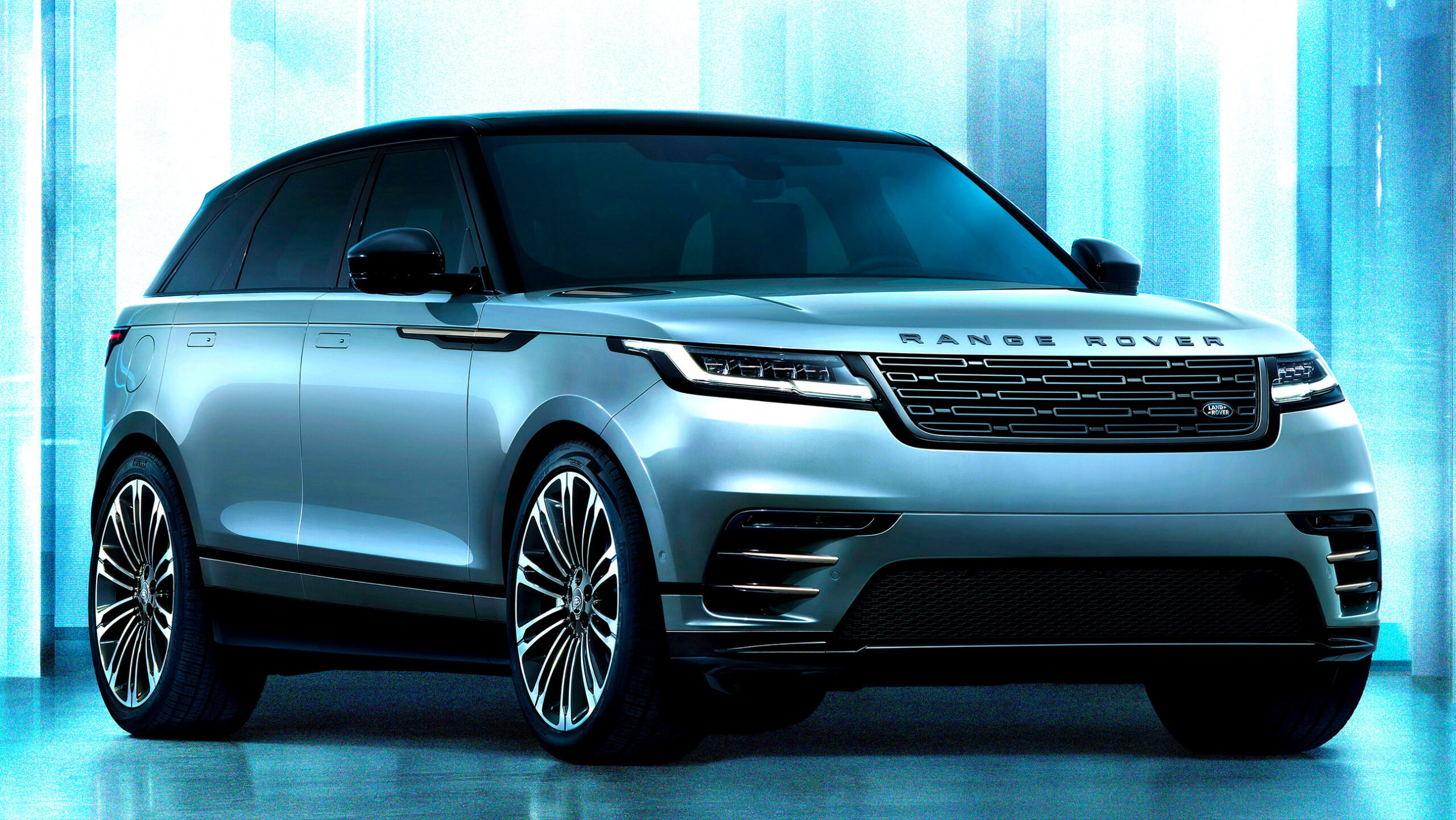 JLR mild-hybrid power-loss recall: what UK owners must checkJLR mild hybrid recall: which 2019-2024 MHEV Range Rover, Defender and Jaguar models are affected and how UK o...
Buyer action
Where to check next
Use this as the final check before paying a deposit, signing finance paperwork or relying on a headline monthly figure.