News · 17 Dec 2011 · Car Deal Expert Editorial Team
Originally published 2011-12-17. This article is part of the CarDealExpert historical archive — see our latest UK car-finance, insurance and used-car coverage in the menu above.
The pros and cons of wireless electronic vehicle charging
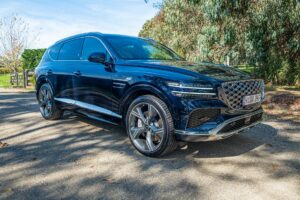
A wireless EV charger is sexy in concept, but is it efficient enough to meet consumer demands? (Photo Credit: CC BY-ND/Paul Lamkin/Pocket Lint)
Fulton Innovation’s eCoupled technology has made powering household appliances via wireless technology a reality, and now the company has its sights on doing the same for mass market electronic vehicles like the Nissan Leaf, Chevy Volt and Ford Focus Electric. While a wireless EV charging station does introduce an element of space-age style to the garage, some critics wonder whether the sacrifices in the charging speed and efficiency departments are worth the trouble. Thankfully, Popular Mechanics can help navigate the pluses and minuses.
EV chargers are an impressive new technology
Fulton Innovation notes that its eCoupled technology can fully charge a depleted Tesla Roadster 6831′s lithium-ion cells in 48 hours. That isn’t high-speed charging, but but as Popular Mechanics points out, it isn’t a trickle charge, either. So long as the battery sits within a 4-inch distance to the EV charging station, it can charge to capacity via wireless. The charging efficiency drop via wireless is about 16 percent less than what a standard EV charging plug would provide, claims the manufacturer, although upcoming design updates will decrease the charging efficiency drop to 7 percent.
Fulton’s EV charging station is a 10-pound composite plate that sits in or on the floor of the garage, and it costs roughly $150. Once the plate is plugged into a standard electrical outlet, it can be used indoor or outdoor. The practical application as a public charger in tech-friendly cities is obvious.
At the bottom rung for speed
The U.S. Department of Energy currently has 50 Level 3 public EV charging stations installed in the San Diego area. This wired EV connection charges a vehicle to full in 20 minutes, but Level 3 stations are more expensive, not only for the technology, but the strain they place on the power grid. Thus, Popular Mechanics predicts such stations will only be reserved for emergency services. Level 2 chargers (4 to 5 hours for full charge) will likely become the most common EV charger for work and official park-and-charge facilities.
Level 3 EV wireless charging stations like Fulton Innovation’s require 12 hours minimum to complete a charge, and typically more hours are needed. While the convenience of wireless EV chargers is apparent – simply park and top off the battery – the wait for a full charge may be anything but.
Fulton Innovation
From the current CDE newsroom
 New Audi RS5 e-hybrid: 639PS plug-in, £89,400 and what UK buyers getAudi RS5 e-hybrid UK price from £89,400: 639PS plug-in V6, 50-plus EV miles and what new buyers get. Orders op...
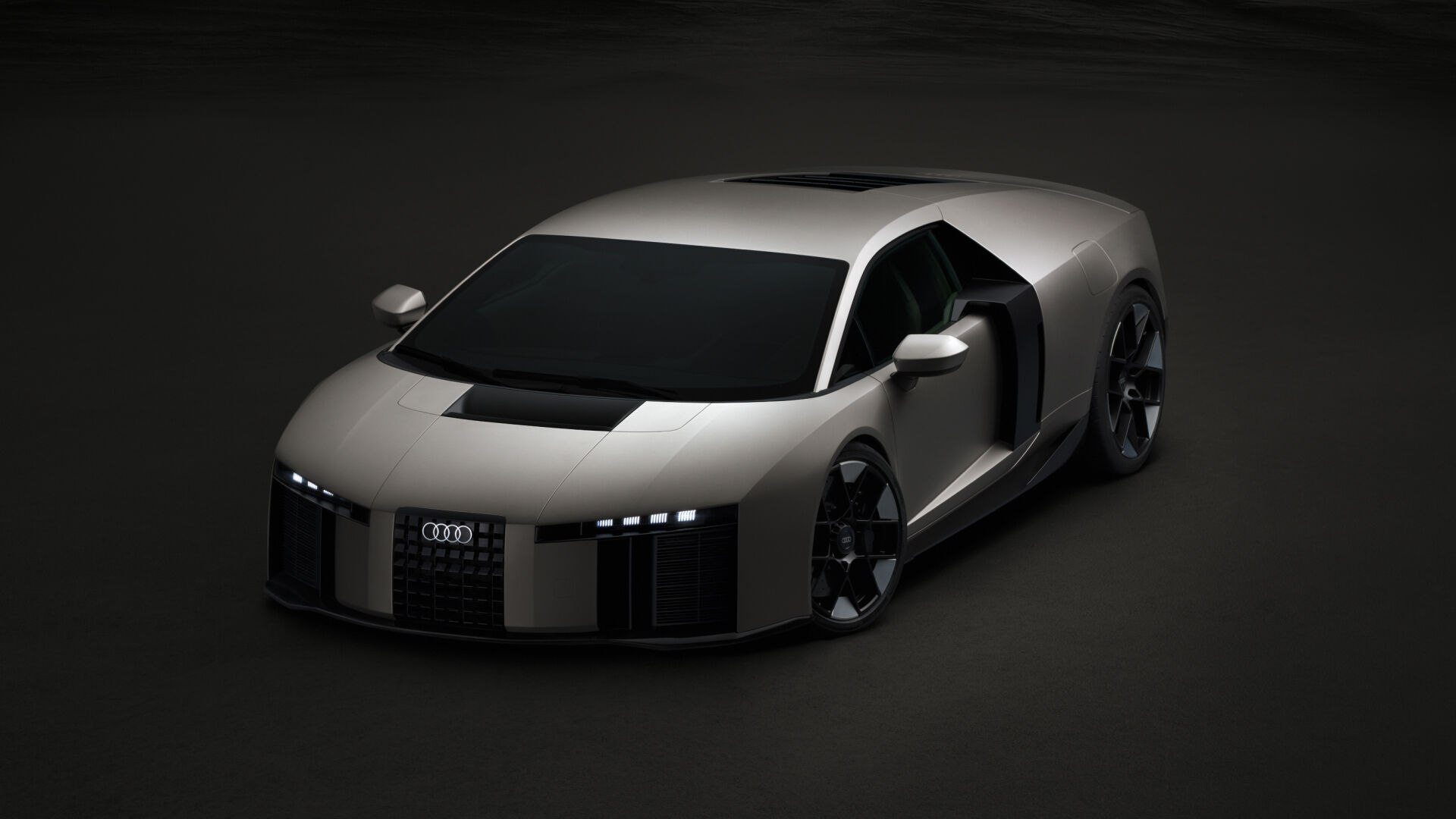 Audi Nuvolari revealed: the V8 successor to the R8Audi Nuvolari revealed: a 1,001 PS V8 hybrid successor to the R8, 499 units, deliveries from 2027. UK price no...
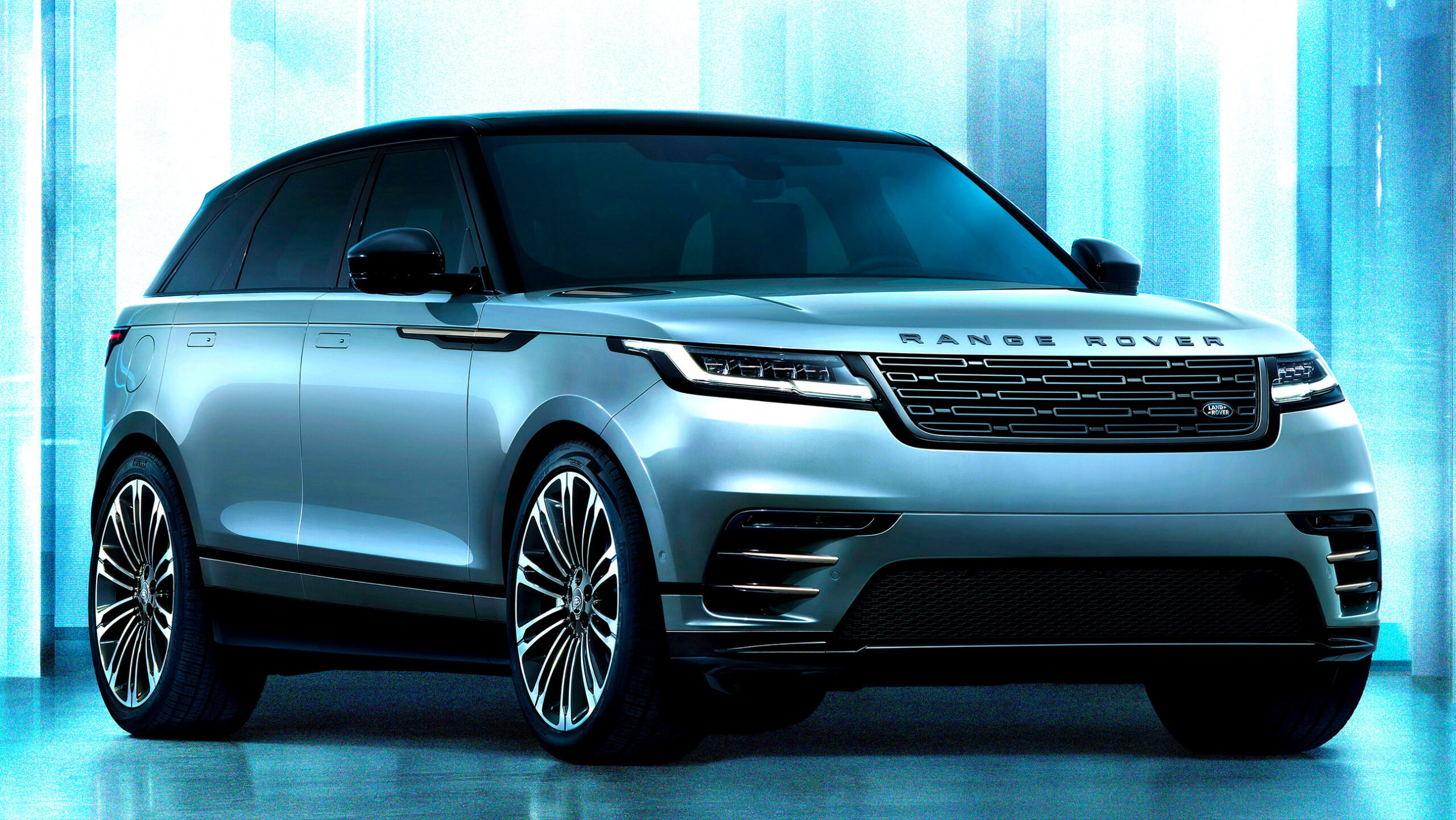 JLR mild-hybrid power-loss recall: what UK owners must checkJLR mild hybrid recall: which 2019-2024 MHEV Range Rover, Defender and Jaguar models are affected and how UK o...
Buyer action
Where to check next
Use this as the final check before paying a deposit, signing finance paperwork or relying on a headline monthly figure.