News · 19 Dec 2015 · Car Deal Expert Editorial Team
Originally published 2015-12-19T01:55:47+00:00. This article is part of the CarDealExpert historical archive — see our latest UK car-finance, insurance and used-car coverage in the menu above.

Mercedes-Benz has planned major vehicle architecture changes. (Photo Credit: CC BY/UggBoy♥UggGirl/Flickr)
Mercedes-Benz averaged 43 hours of production time per vehicle in 2008, and the German luxury automaker would like to cut that average significantly by 2015, reports Automotive News. By that year, Mercedes-Benz would like to have restructured its global production network so that 30 hours of production time per vehicle is the norm.
Mercedes-Benz to up the ante by 2015
Mercedes-Benz production chief Wolfgang Bernhard recently told investors at a plant opening that productivity will soon hit high gear.
“We have increased productivity by two percent a year over the last few years. We will be accelerating our productivity efforts,” said Bernhard.
In order to facilitate the production restructuring, Mercedes-Benz plans to decrease its total number of vehicle architectures to two by 2015. However, it will maintain variety by doubling its total number of model variants to 30, notes Automotive News.
“This will be a major enabler,” Bernhard continued.
New two-pronged Mercedes vehicle architectures
Currently, Mercedes has four different vehicle architectures: rear-, front- and all-wheel drive, as well as a separate build for its line of sports cars. By 2015, only two will exist: Mercedes Front Wheel Architecture and Mercedes Rear Wheel Architecture. The former will apply to A- and B-class compacts and be used in assembly plants in Rastatt, Germany; Beijing, China; and Kecskemet, Hungary. The latter will cover practically every other car in Mercedes-Benz’s roster. It will be used in Bremen and Sindelfingen, Germany; East London; South Africa; and in the U.S. in Vance, Ala.
[Looking to purchase a used car?]
Powering the Mercedes brand globally
Bernhard went on announce that Mercedes-Benz would be making a number of changes to where essential vehicle parts like the powertrain will be made. Traditionally, powertrains for Mercedes-Benz vehicles have only been made in Germany, but global expansion demands that this and other production factors change.
“In 2020, we believe that more than 50 percent of (Mercedes’s) assembly capacity will be outside Europe,” Bernhard said. “We will be more flexible.”
A minimum of 40 percent of Mercedes powertrains will reportedly be made outside of Germany by 2020.
New day at Kecskemet
Mercedes recently inaugurated a new manufacturing plant in Kecskemet, Hungary, reports the Sacramento Bee. It is the automaker’s first in Eastern Europe, and it cost approximately $1.06 billion to create. Workers will number 3,000, while an additional 10,000 jobs will be created for parts suppliers. Up to 120,000 Mercedes vehicles will be produced at the new plant each year.
Dieter Zetsche, CEO of Mercedes’ parent company Daimler AG, trumpeted the new plant as a step in the direction of growth.
“This plant is an important milestone of our growth strategy,” Zetsche said. “Kecskemet is a model plant, an ideal factory in flexibility, efficiency and quality. We are setting new standards.”
Mercedes-Benz production history
From the current CDE newsroom
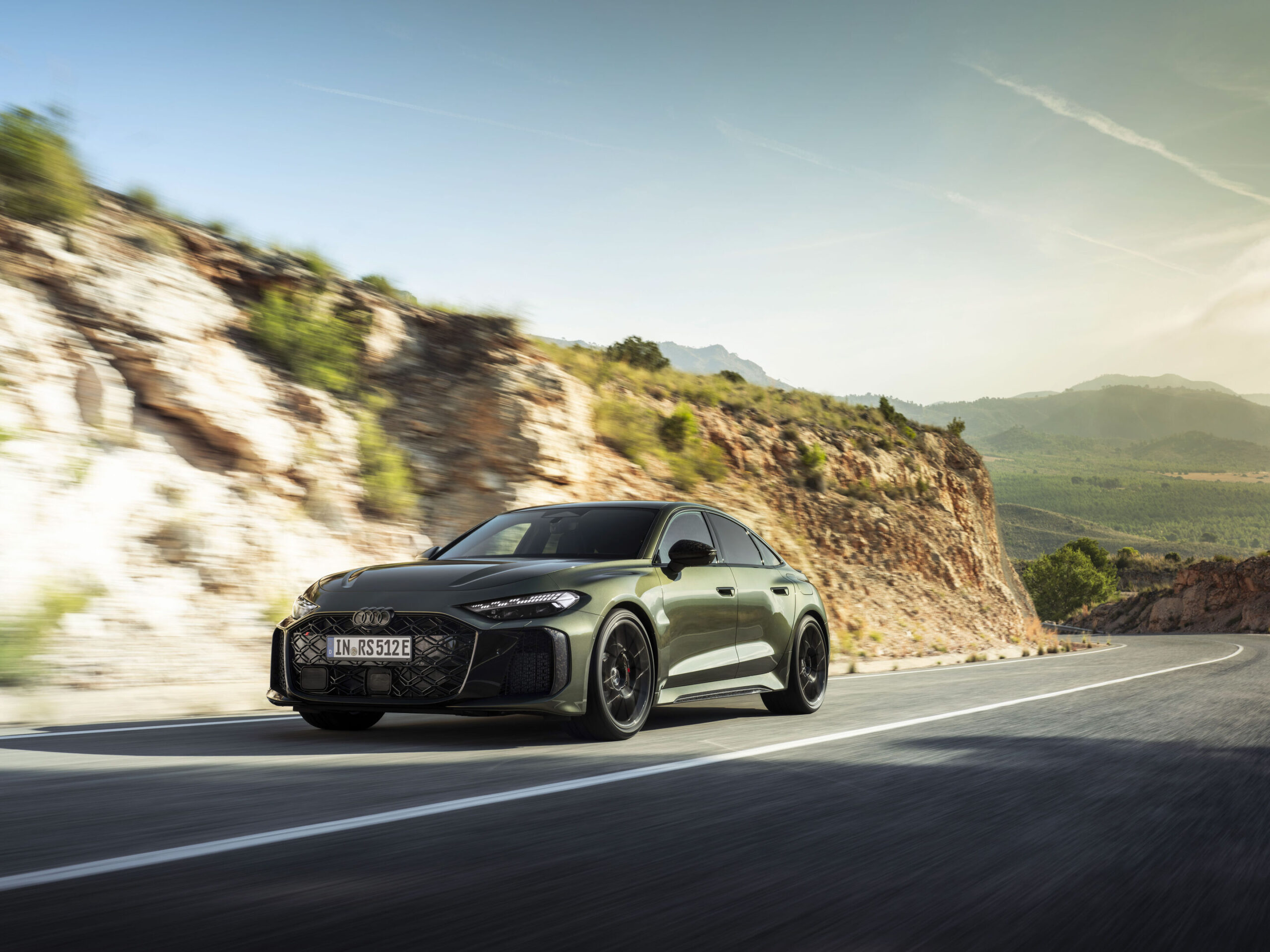 New Audi RS5 e-hybrid: 639PS plug-in, £89,400 and what UK buyers getAudi RS5 e-hybrid UK price from £89,400: 639PS plug-in V6, 50-plus EV miles and what new buyers get. Orders op...
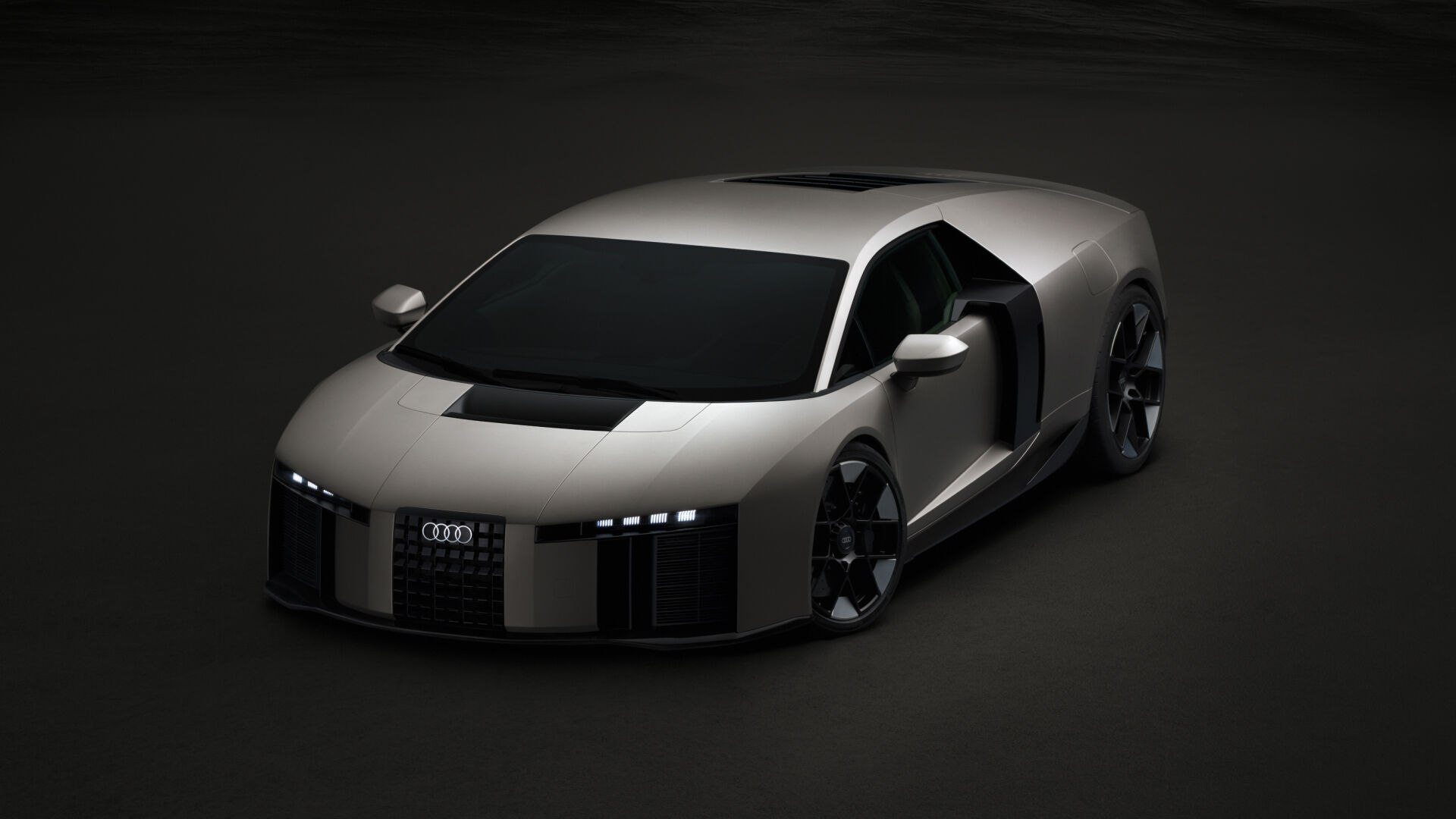 Audi Nuvolari revealed: the V8 successor to the R8Audi Nuvolari revealed: a 1,001 PS V8 hybrid successor to the R8, 499 units, deliveries from 2027. UK price no...
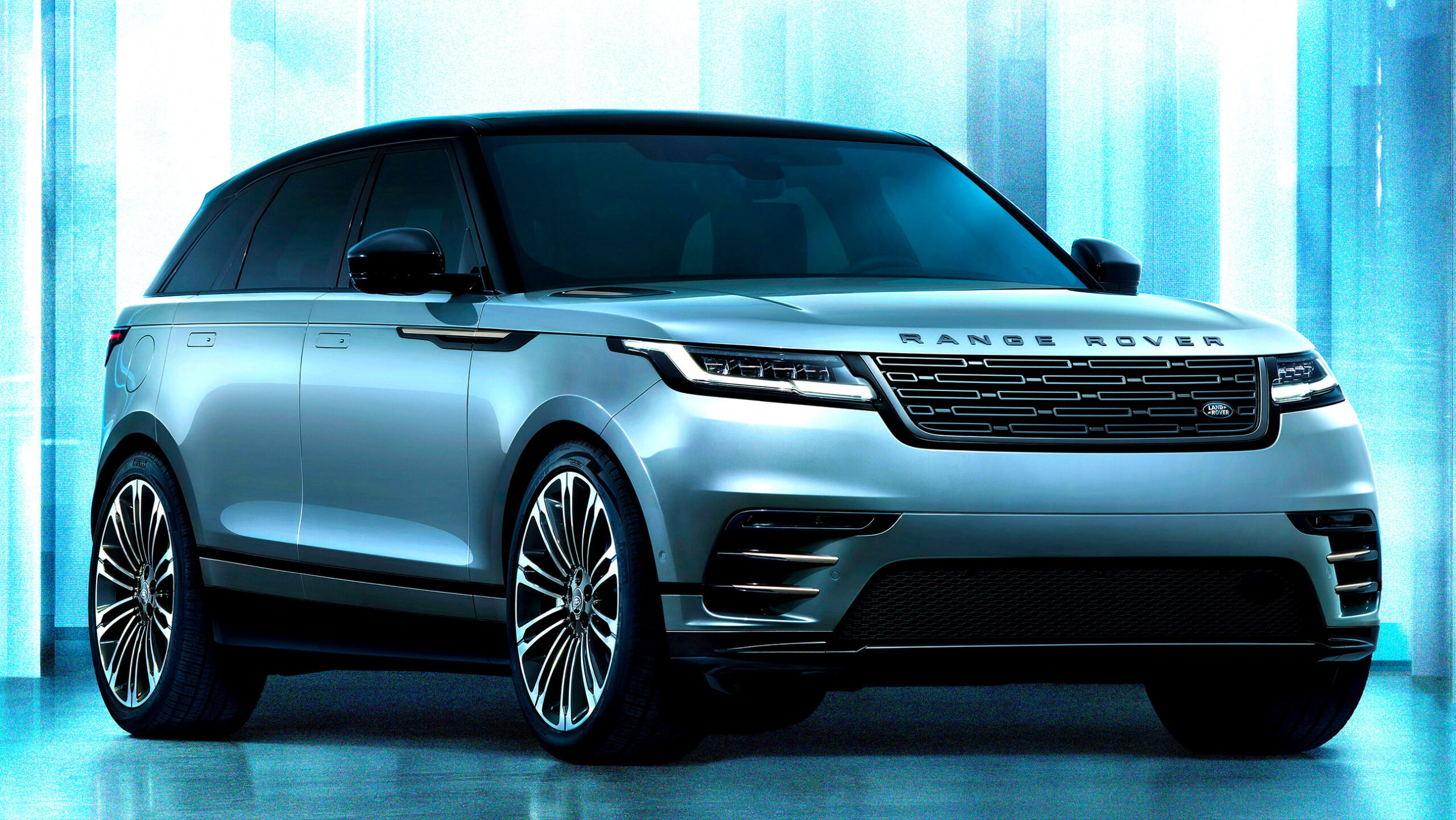 JLR mild-hybrid power-loss recall: what UK owners must checkJLR mild hybrid recall: which 2019-2024 MHEV Range Rover, Defender and Jaguar models are affected and how UK o...
Buyer action
Where to check next
Use this as the final check before paying a deposit, signing finance paperwork or relying on a headline monthly figure.