News · 16 Dec 2016 · Car Deal Expert Editorial Team
Originally published 2016-12-16T16:47:03+00:00. This article is part of the CarDealExpert historical archive — see our latest UK car-finance, insurance and used-car coverage in the menu above.

Do you know how to survive a car crash as a pedestrian? (Photo Credit: CC BY/Michael Mulvey/Flickr)
For the driver, surviving an auto accident is typically a matter of utilizing proper safety restraints. For a pedestrian, however, there are not a few thousand pounds of metal, plastic and fiberglass or a crumple zone to absorb the impact. Yet all need not be lost if a pedestrian is prepared. Learn how to survive a car crash, as a pedestrian!
Bleak, but not hopeless
Physics can be the pedestrian’s friend or foe in an accident. Injury will depend on several factors including the vehicle speed, angle, and how the pedestrian is moving. When an auto accident is imminent and the pedestrian clearly will not be able to get out of the way, the first thing the pedestrian should do is jump straight up. The higher the jump is, the better, as this will decrease the likelihood that the vehicles will run over the pedestrian.
If feet remain in contact with the ground at impact, it is highly likely that the impact will throw the pedestrian to the ground and the pedestrian will be ran over, unless the vehicle has extremely low ground clearance. Raising one’s center of gravity, even a centimeter, makes it most likely that the pedestrian will roll over the top of the speeding car. This will diminish direct, 90-degree impact and possibly prevent an excess of broken bones and other injuries.
Change tactics with tall trucks
An auto accident can occur in the blink of an eye, making it difficult for a pedestrian to react before impact. However, if there is time and the oncoming car or truck is tall, jumping straight up may not be the best course of action. If the height of the vehicle makes it impossible to roll over the hood and roof, a sideways jump is better to prevent a 90-degree impact against the pedestrian’s center of mass. This is particularly true if it is apparent that a sideways jump can prevent impact altogether.
Specific things pedestrians should try
Above all things, a pedestrian involved in an auto accident should keep their head about them. Protect the brainpan at all costs. Assuming the pedestrian isn’t wearing a helmet, arms and limbs should be positioned so that the head is protected as well as possible. Curl into a ball, head between the elbows. Some other body part should make contact with the safety glass, which is shatterproof in newer cars and can cushion the impact.
If the car isn’t traveling terribly fast and is low to the ground, it may be possible to jump up and attempt to scale the hood and cab of the car on foot. Unfortunately, it is unlikely that a pedestrian will be able to walk away from an auto accident injury-free. Prepare yourself as well as possible and allow paramedics to do their work.
Other general crosswalk tips to remember
- Look both ways before crossing the street and don’t take unnecessary risks
- Have health insurance documentation in your purse or wallet
- Don’t assume cars will stop. Wait to see that they’ve stopped before placing yourself in harm’s way
- Turn down the music or take off the headphones while crossing the road so you can hear a horn
- Always wear a helmet when biking and observe traffic laws regarding right-of-way
- Right-of-way may be clearly defined by law, but never insist upon it if doing so will cause an accident
A motor crash to remember
From the current CDE newsroom
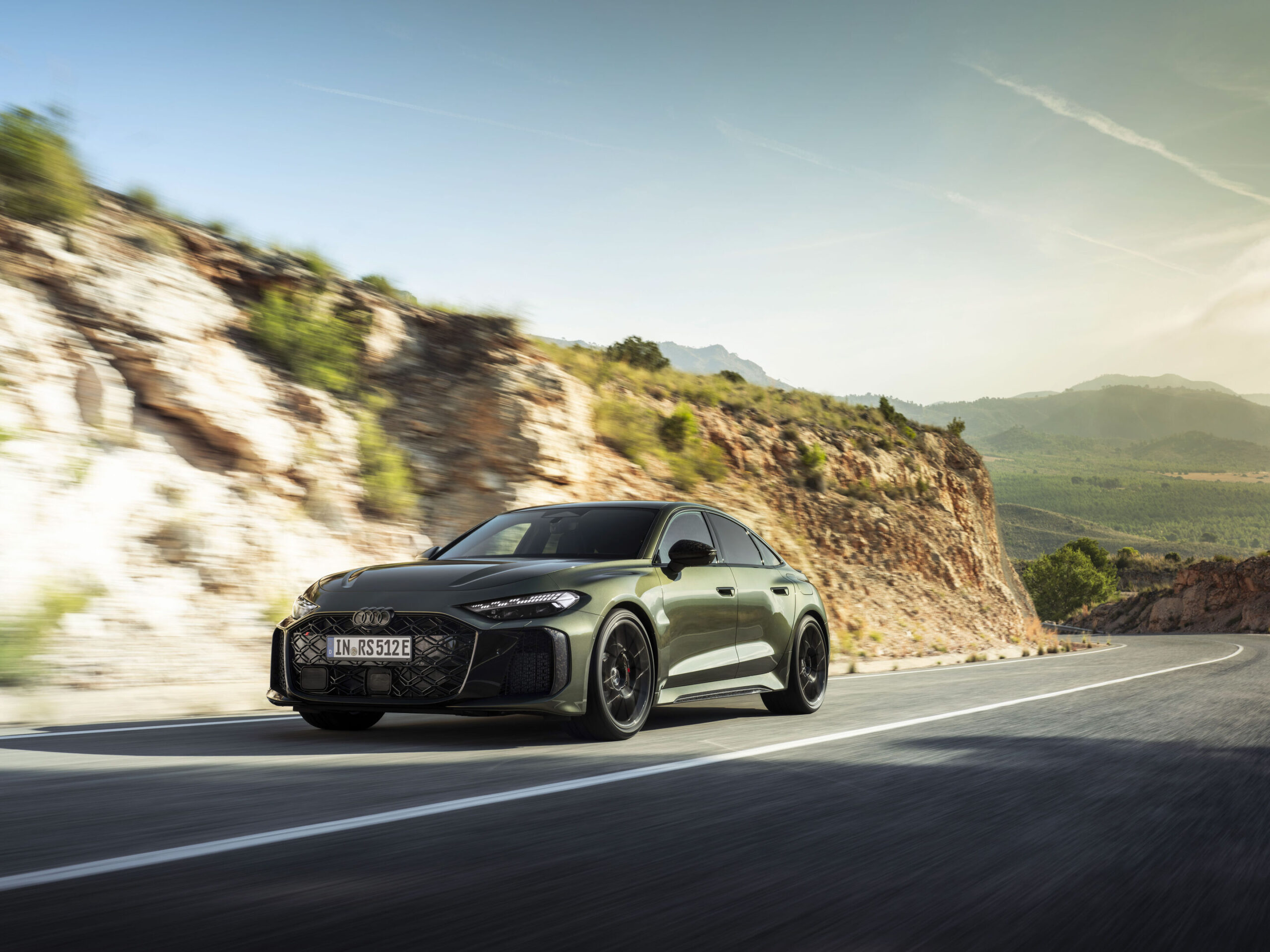 New Audi RS5 e-hybrid: 639PS plug-in, £89,400 and what UK buyers getAudi RS5 e-hybrid UK price from £89,400: 639PS plug-in V6, 50-plus EV miles and what new buyers get. Orders op...
 Audi Nuvolari revealed: the V8 successor to the R8Audi Nuvolari revealed: a 1,001 PS V8 hybrid successor to the R8, 499 units, deliveries from 2027. UK price no...
 JLR mild-hybrid power-loss recall: what UK owners must checkJLR mild hybrid recall: which 2019-2024 MHEV Range Rover, Defender and Jaguar models are affected and how UK o...
Buyer action
Where to check next
Use this as the final check before paying a deposit, signing finance paperwork or relying on a headline monthly figure.